

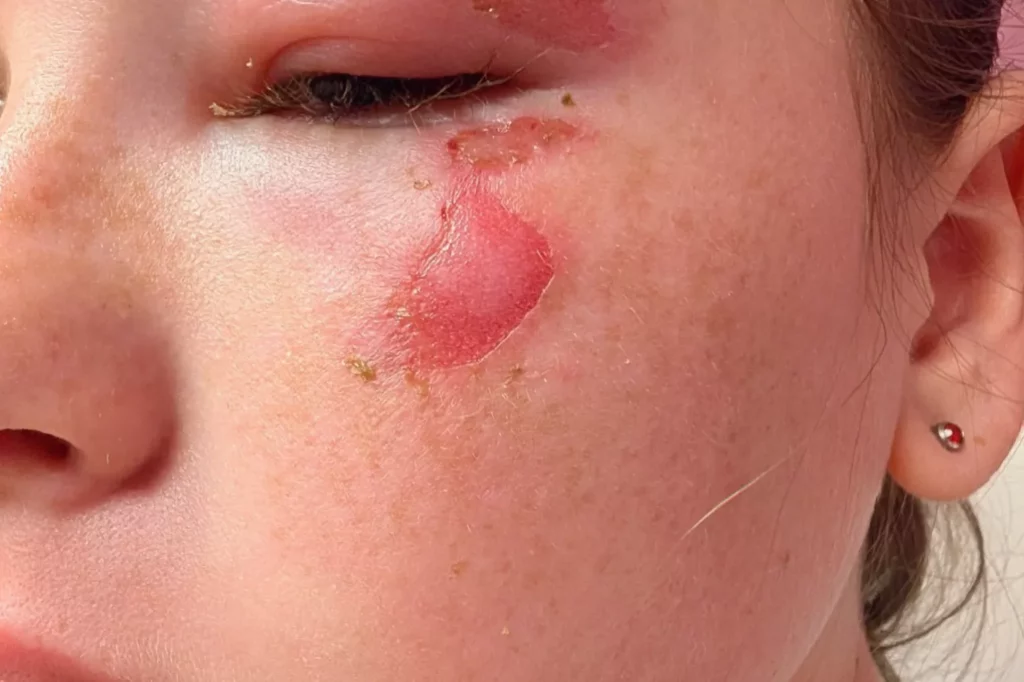
Children are suffering severe burns from microwaving popular squishy toys, with hospital admissions rising as a dangerous online trend continues to spread across social media platforms.
How a Squishy Toy Becomes a Hazard
Videos circulating widely on TikTok, Instagram and YouTube encourage users to heat these soft, squeezable stress and fidget toys to make them more pliable. But medical experts warn that doing so causes internal pressure to build inside the gel-filled silicone casing, significantly increasing the risk of explosion. When the toy bursts, it releases a hot gel that can stick to the skin and remain extremely hot, prolonging the burn. The silicone casing insulates the heat, meaning the outside can feel cool to the touch while the interior reaches boiling temperature. This combination – exploding gel that adheres and retains heat – leads to deep, severe burns that are difficult to treat.
Children Hospitalised with Severe Injuries
The Royal Hospital for Children (RHC) in Glasgow has treated six children for injuries related to this trend over the past eight months, with some requiring surgery, including skin grafts. Eight-year-old Joseph Erskine, from Clackmannanshire, needed weeks of treatment and a skin graft after a toy burst across his chest and hand in May. His mother, Stephanie Ewing, described how the burning gel had taken off his skin. “He had already wiped off the burning gel which had also taken off his skin,” she said. Joseph had accidentally used the microwave after seeing the trend online. “My husband and I were home. We were sitting in the living room next door when Joseph came in holding a towel to his face. … One of us had heated something earlier and so the clock was already set at 40 seconds. Joseph just hit start. It was that quick and easy for him.” His mother said Joseph’s burn would not heal on its own and required a graft, with skin taken from his thigh and applied to his chest. He must now avoid direct sunlight to the graft area for two years – “tricky over the summer months,” she said. “He is normally such an active and sporty child with six clubs per week, but all of that is on hold until he heals.”
Another patient, eleven-year-old Scarlet Rowe from Irvine in North Ayrshire, was treated for burns to her face and eyelid after a similar incident in May, soon after she received a squishy toy. Her mother Gina said: “We didn’t realise what had happened at first, it just looked like slime on her face. It was only after a few minutes we realised it had been heated and was burning her skin. The swelling was so bad that we weren’t sure what the outcome would be. Thankfully, no graft was required but it is so close to her eye that this could have been a lot worse.”
In Bristol, a ten-year-old girl suffered facial burns on 4 May 2026 after hearing about the trend from TikTok. The danger is not confined to the UK. In the United States, a seven-year-old required a medically induced coma after microwaving a NeeDoh cube in October 2024, and a nine-year-old narrowly avoided permanent vision loss. Hospitals in Chicago and Indiana treated multiple cases in a single week in February 2026. In Australia, a ten-year-old girl also suffered horrific burns to her face after copying a similar trend.
Expert Warnings: Preventable Injuries with Lasting Consequences
Burns specialists have emphasised that the gel inside the toys can remain extremely hot and stick to the skin, prolonging the burn and causing deep tissue damage. Sharon Ramsay, a burns nurse at the RHC, said: “Unfortunately, we are seeing a growing number of children with preventable injuries linked to this trend. When these toys are heated, the contents can explode and stick to the skin, causing deep burns. These injuries can be very serious and may require long-term treatment, including surgery and rehabilitation. In some cases, children are left with permanent scarring.” Healing and recovery from burns can take weeks or months, and children often need ongoing care such as dressings, physiotherapy and scar management. The Scottish National Burns Centre, hosted within NHS Greater Glasgow and Clyde, treats complex burn injuries from across the country.
The Role of Social Media in Spreading the Trend
The trend has been fuelled by social media algorithms that can push harmful content to young users within minutes of account creation, creating “rabbit holes” of increasingly concerning material. Imran Ahmed of the Center for Countering Digital Hate has described TikTok’s algorithm as potentially addictive, exploiting user vulnerability to maximise engagement. British parents are deeply concerned: surveys indicate that over nine in ten are concerned about children’s online safety, with nearly two-thirds “very concerned”. Many feel that politicians and tech companies are not taking the issue seriously enough. Broader concerns include exposure to inappropriate content, misinformation, cyberbullying and negative impacts on mental health. Research shows that nearly half of UK girls and a third of all teenagers have seen harmful content – including suicide, self-harm and eating disorders – on social media in a single week. The UK government is considering new measures, including potential bans on social media for under-16s, in response to these concerns.
Product Safety and Manufacturer Responses
Squishy toys are widely available in UK shops, online stores such as Amazon and TikTok Shop, and supermarkets. However, some products – particularly those sold by unknown sellers on online marketplaces – may not meet basic safety standards and could contain harmful chemicals. Gloucestershire Trading Standards has seized toys that failed to meet safety requirements, including copies of popular products. In response to the incidents, toy manufacturers are being urged to add clear warnings. One for All has stated they will change packaging to include a “Do Not Heat” warning, and Schylling Toys, maker of NeeDoh products, warns on its website: “Do NOT heat, freeze, or microwave, may cause personal injury.” Standard toy safety advice in the UK advises buying from reputable outlets, checking for CE or UKCA marks, ensuring suitability for the child’s age, and regularly inspecting toys for wear and tear or loose parts.
Parental Advice: Open Conversations and Vigilance
Medical experts and burns nurses strongly urge parents and carers to speak to their children about the risks of online trends and to monitor what they watch. Stephanie Ewing, Joseph’s mother, said the family had been “shocked as it had never crossed our minds that he would do that with a toy”. She urged parents to chat with children and discourage them from trying similar stunts. Gina Rowe advised: “I’d strongly advise parents to be vigilant and check what children are watching and trying online.” Organisations such as the UK Safer Internet Centre recommend a calm, consistent approach – open and honest conversations about online safety, clear boundaries, use of parental controls, and awareness of the apps and games children use. Some experts also advise against “naming” a dangerous challenge when warning others, as this can inadvertently draw attention to it.
Joseph Erskine, once an active and sporty boy with six clubs a week, now faces a two-year recovery period during which he must avoid direct sunlight on his skin graft. “All of that is on hold until he heals,” his mother said.