

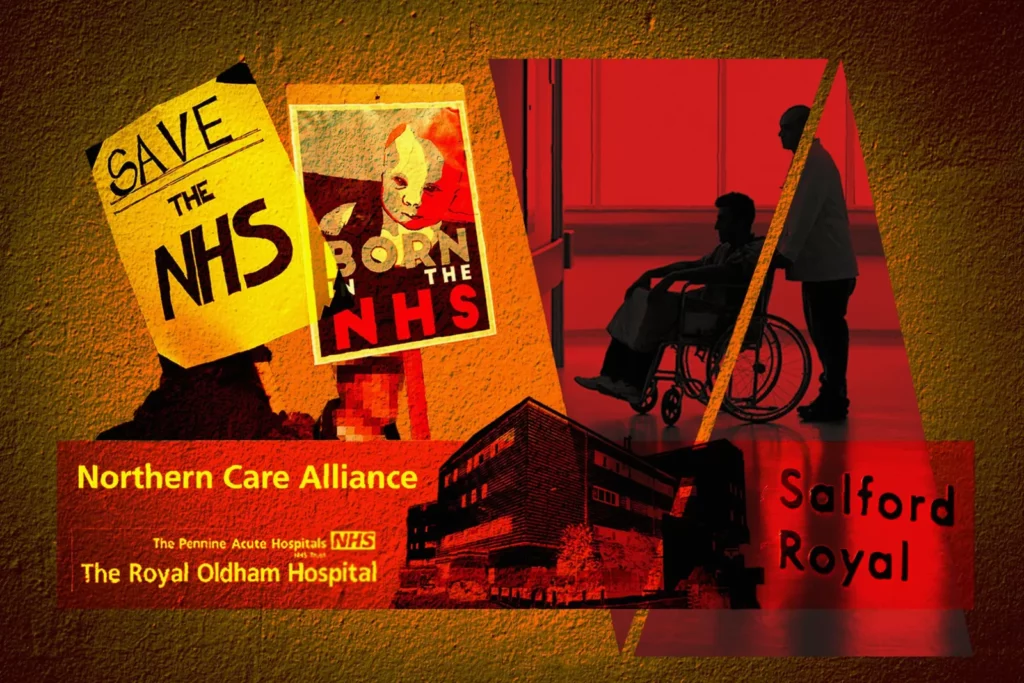
Dozens of doctors at a major NHS trust were forced to hold a secret meeting in November, driven by fears that patient safety was being compromised. The confidential gathering, detailed in documents that have since emerged, heard medics describe wards as “like war zones” where corridor care had become routine, staffing levels were dangerously low, and a culture of “bullying and fear” had taken hold. The meeting, convened by consultants at the Northern Care Alliance NHS Foundation Trust (NCA), marked the beginning of a cascade of unrest that has now triggered formal enforcement action by NHS England.
Culture of Fear and Patient Safety
Minutes from the November meeting, obtained from internal trust records, paint a damning picture of an organisation in crisis. Doctors raised a series of systemic failings they said had created “unsafe conditions” for patients. They alleged that medics were not listened to when they identified patient safety risks, that they were witnessing “unsafe practices” and deteriorating working conditions, and that staff morale was at an all‑time low amid chronic bed and staffing shortages. The consultant body described a “significant loss of trust and confidence in executive leadership”, whom they accused of being “absent, dismissive, and disconnected”.
The scale of concern was laid bare by a survey of roughly 426 consultants conducted that same month across the trust’s four hospitals in Bury, Rochdale, Salford and Oldham – the majority at Salford Royal. More than 200 of those polled said they did not believe the trust was being well‑led, and over a third considered their hospitals unsafe. One doctor who had already resigned explained that they had left “because of the poor and unsafe care our patients received and an unaddressed culture of bullying and fear”. Another described Salford Royal facing “one of its most challenging positions in its history, having fallen from a place of excellence to one of disarray”.
Multiple respondents drew comparisons to the Mid Staffordshire NHS Foundation Trust scandal, where between 400 and 1,200 excess patient deaths occurred between 2005 and 2009. One medic quoted a senior doctor at a divisional meeting who said: “We are not at a MidStaffs level yet, but we are not far off. Terrifying.” Other doctors alleged that finances were being prioritised over safety, with one claiming “money trumps safety” and that the trust could not afford basic protective equipment or to staff wards. Staff also reported that vacant clinical posts were not being filled to save money, leaving those who remained with unsafe workloads. A senior staff member warned of “chaotic last‑minute scheduling of surgery” and a “high number of serious surgical complications” in their department.
Following the November meeting, consultants wrote to the trust board threatening a vote of no confidence in chief executive Owen Williams and medical director Dr Rafik Badir unless their concerns were acted upon within three months. In January, that threat was reiterated. By April, Mr Williams announced he would be stepping down in September 2026 – having joined the NCA in November 2021, shortly after the trust was formed through the merger of Salford Royal NHS Foundation Trust and The Pennine Acute Hospitals NHS Trust. Several senior executives have since left the organisation.
Administrative Staff and Industrial Action
Months before the doctors’ secret meeting, hundreds of administrative staff had mounted a collective grievance. In June 2025, a letter signed by representatives of 14 major unions – including Unison, the Royal College of Nursing, the Royal College of Midwives and Unite – was lodged with trust executives, warning that “unachievable workloads” were creating unsafe backlogs in patient care. At a meeting with trust leaders in October 2025, medical secretaries disclosed that they were “on the verge of resigning”, feeling their “well‑being disregarded due to levels of stress/burnout”. They reported a backlog in typing letters for patients of between four and ten weeks, which they said posed a direct patient safety risk. The grievance also alleged that staff had been advised to stop submitting safety reports because “management did not have time to deal with them”. A source close to the matter said the grievance was escalated to a formal hearing in May 2026, but an outcome had yet to be reached.
Meanwhile, critical care nurses have taken industrial action twice this year. The dispute centres on the trust’s decision to stop allowing nurses to work overtime directly, instead requiring them to take extra shifts through a third‑party provider, NHS Professionals – a move Unison argues led to lower pay and reduced pension contributions. Despite promises from the trust to listen, surgical theatre staff are also due to strike next week.
Sarah Hall, the trust’s deputy chief delivery officer, insisted the trust was listening. She said after concerns were raised, action was taken “to strengthen support for colleagues, improve key processes, and reinforce that safety incidents must always be reported”. She said patient safety remained the highest priority and that although there was a temporary pause on recruiting to some non‑clinical roles, posts could still be approved after review by a Vacancy Control Panel.
Regulatory Scrutiny and Historical Concerns
The unrest has culminated in formal enforcement action by NHS England, which has stated it fears patients are not safe from harm. The trust has been warned it could face fines or even lose its licence if improvements are not made. NHS England cited a series of escalating quality concerns over the past 18 months that the trust had been unable to address at the required pace, pointing to a fundamental failure in quality governance.
The Care Quality Commission (CQC) has launched inspections of surgical services and gynaecology at Salford Royal Hospital. An audit of hundreds of cases in the gynaecology unit in 2024 found that dozens of women, including cancer patients, had been harmed after their diagnosis and treatment were delayed by administrative failures. Whistleblowers had previously raised concerns that leaders were not adequately addressing safety risks. The CQC had also issued a formal warning after inspectors discovered patients were being left without vital pain medication because of staffing shortages at Salford Royal. In November 2022, the CQC rated the trust as “requires improvement” overall, with safe, effective, responsive and well‑led domains all falling short – only caring was rated good. Now the trust’s leadership is under review by both the CQC and NHS England to determine whether it is “well‑led”, encompassing the culture of the organisation.
The NCA’s difficulties are not new. An independent inquiry in 2023 into spinal surgeon John Bradley Williamson found that he had harmed dozens of patients, with 20 severely or moderately harmed due to poor surgical technique, record‑keeping and communication. The inquiry also found that seven patients had died under his care. A further review criticised past trust investigations for failing to address his behaviour, and the NCA was required to offer all of his patients a review of their care. The trust’s handling of the Williamson case has been repeatedly criticised.
Local MP Rebecca Long‑Bailley is now calling for a transparent review of how whistleblowing concerns are handled across the trust. She said: “I continue to hear from staff across the trust who say they do not feel safe or supported when raising patient safety concerns. No member of NHS staff should ever feel fearful of speaking up in the public interest. A culture where whistleblowers feel marginalised or ignored is not only wrong for those individuals, it is dangerous for patients.” She said it was essential to check that freedom‑to‑speak‑up processes were working in practice, not just on paper.
Trust chair Sheena McDonnell, who was appointed to the role in June 2025, said the board was “sorry to hear” of the concerns and had met with consultant representatives and taken their complaints seriously. On Wednesday, after NHS England’s enforcement action, trust executives told staff they were committed to “putting things right”. But one doctor, speaking on condition of anonymity, said the mood remained one of “anger and disbelief”: “The same people who have allowed Salford’s spectacular fall from grace over the last few years through underfunding, understaffing and a refusal to listen to the shopfloor workers’ views, are now sending us emails saying that they acknowledge NHSE’s and the CQC’s concerns, that significant progress has already been made and that we still need to get better.”