

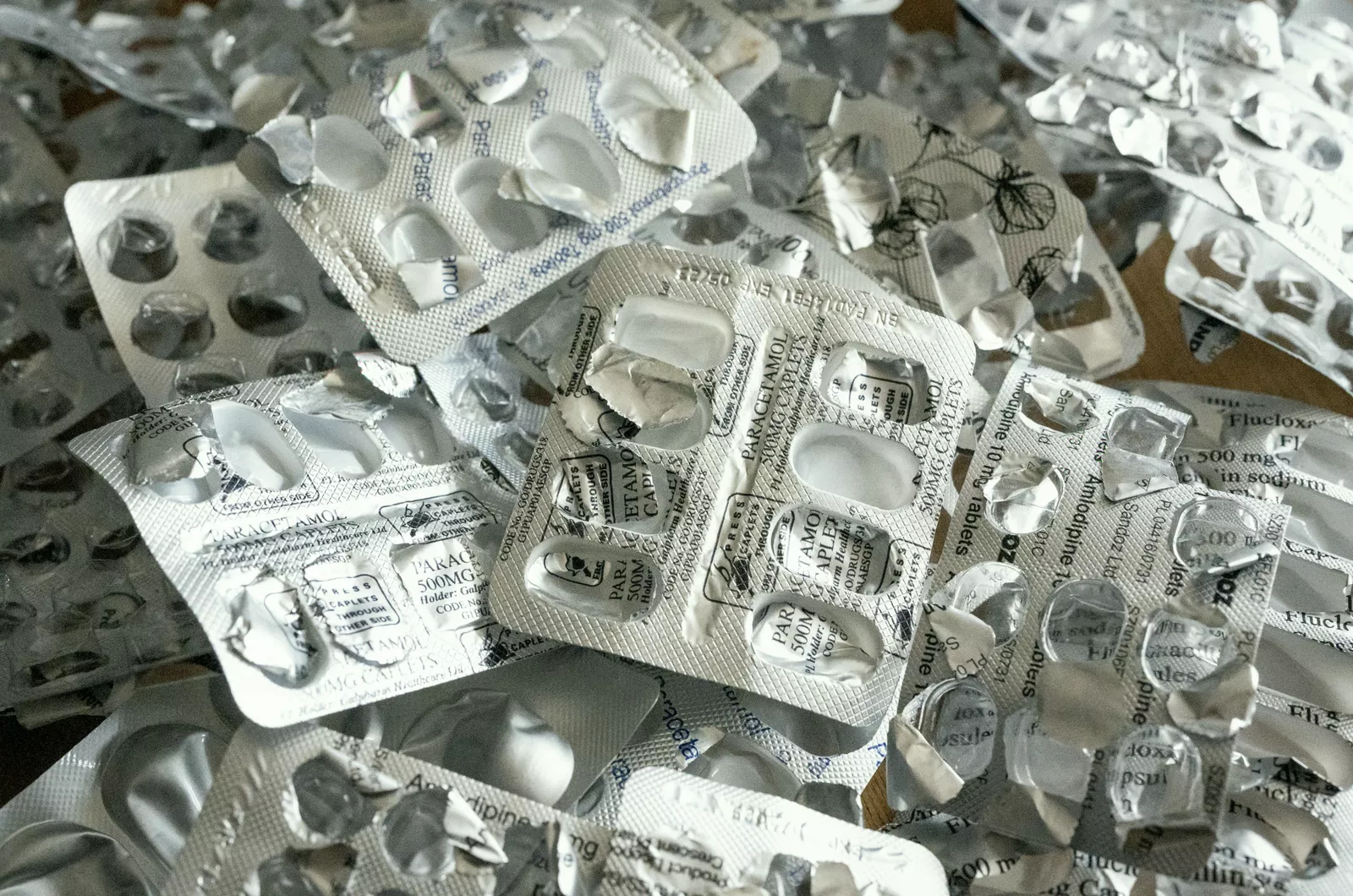
Analysis of NHS prescribing data has revealed that the health service spent £64.4 million last year on paracetamol prescribed by GPs, despite the common painkiller being available in shops for as little as 29p a packet.
The figure forms part of a wider £97.9 million total spent on items that patients could easily buy over the counter or from supermarkets. In total, 15.7 million packets of paracetamol were dispensed on NHS prescriptions — a significant outlay for a medication that costs next to nothing on the high street.
This is not an isolated anomaly. Previous NHS spending on paracetamol has been considerable: in the financial year 2016-17, the service spent £70 million on paracetamol prescriptions in England, with 21 million items dispensed. That figure itself was down from a five-year high of £86.8 million in 2014-15. More broadly, the NHS has been spending around £136 million annually on prescriptions for medicines that could be bought without a prescription, including paracetamol.
Recent data also shows a sharp rise in spending on liquid paracetamol for care home patients, which increased by 240% since 2021 to reach £16.1 million in 2024-25. In North Yorkshire alone, nearly £725,000 was spent on paracetamol prescriptions in a single year — enough to fund 2,685 emergency ambulance journeys.
Beyond paracetamol, the analysis of GP prescription records uncovered a range of everyday items being prescribed at taxpayer expense. Gluten-free bread from brands including Warburtons and Genius accounted for £830,700, with nearly 293,000 loaves dispensed. A gluten-free bread mix can cost the NHS more than £10 per item, compared to around £2.27 in a supermarket.
Skincare products from Aveeno — the brand endorsed by actress Jennifer Aniston — were prescribed 664,700 times, at a cost to the NHS of £6.1 million. Within that figure, body wash alone accounted for 89,138 prescriptions costing £811,700. Toothpaste was dispensed on 12,600 occasions, despite being a standard supermarket purchase. Even throat lozenges such as Strepsils appeared on NHS prescriptions 444 times, adding £1,570 to the overall bill.
Every one of these products can be bought without a prescription at high street pharmacies, supermarkets, or online.
Why the NHS prescribes over-the-counter items
The scale of this spending raises an obvious question: why are GPs prescribing items that patients could simply pick up themselves? The answer lies in a combination of clinical exceptions, patient vulnerability, and longstanding prescribing habits.
NHS England has issued “Do Not Prescribe” guidance, which recommends that over-the-counter items should not be routinely prescribed in primary care. The guidance applies to medicines available over the counter because they have limited clinical effectiveness for the condition being treated, are for self-limiting conditions, or are appropriate for self-care. The aim is to reduce unwarranted variation, improve patient outcomes, and redirect resources to higher-priority areas such as cancer, diabetes, and mental health.
However, the same guidance acknowledges that there are circumstances where prescribing such items may still be clinically appropriate. These include long-term conditions such as chronic arthritis or inflammatory bowel disease, where patients may require ongoing supplies. Prescriptions are also allowed for more complex forms of minor illness when over-the-counter medicines have proven ineffective — for instance, severe migraines. Treating the side effects of other prescription medicines, such as constipation from painkillers, is another permitted exception.
Further exceptions apply when a medicine’s license restricts its sale to certain groups, such as pregnant women or children, or when a prescriber has concerns about a patient’s ability to self-manage due to mental health issues, learning difficulties, or social vulnerability. It is these clinical judgments that account for many of the prescriptions for paracetamol, gluten-free bread, and skin creams.
NHS response and policy on self-care
NHS England has responded directly to the findings, stating: “Over-the-counter medicines should not be routinely prescribed at GPs at unnecessary costs to taxpayers.” The health body added: “While prescriptions can still be issued where clinically appropriate, many minor conditions can be managed through self-care and pharmacy support.”
This stance reflects a broader push by the health service to encourage self-care and reduce reliance on GP prescriptions for minor ailments. The “Pharmacy First” service, launched in January 2024, builds on earlier initiatives such as the Common Ailments Scheme, allowing pharmacists to provide clinical advice and, where appropriate, supply prescription-only medicines for seven common conditions without a GP appointment. Over 90% of patients report receiving good advice from pharmacists, and the scheme is intended to free up GP appointments while providing quicker access to care.
The economic argument is clear: the over-the-counter sector is estimated to save the NHS £6.4 billion each year in avoided prescription and appointment costs. Greater use of OTC medicines for self-treatable illnesses could save at least a further £1.7 billion annually. It is estimated that 25 million GP appointments and 5 million A&E visits each year are for conditions that could be managed with self-care.
In some areas, restrictions are already being tightened. From 1 April 2026, NHS prescriptions for gluten-free bread and flour mixes will cease for individuals aged 25 and over in the North East and North Cumbria Integrated Care Board area, following a review that considered more than 1,400 public comments. The region had previously provided gluten-free staples to around 4,000 people at an annual cost of approximately £700,000. It is worth noting that in Scotland, Wales, and Northern Ireland, people with a coeliac disease diagnosis can still access gluten-free staples under national prescribing guidelines, though provision methods vary.
The cost difference between prescribed and purchased items remains striking. A prescription for 32 paracetamol tablets can cost three times more than buying them locally. Similarly, a gluten-free bread mix prescribed on the NHS can cost over £10, while the same product on a supermarket shelf is roughly £2.27. Paracetamol is widely available in most supermarkets, convenience stores, and pharmacies; while smaller packs of 16 tablets are sold freely, larger quantities of up to 100 tablets are available under pharmacist supervision, as set out in the Human Medicines Regulations 2012.
Former deputy chief medical officer Sir Jonathan Van-Tam has himself highlighted the potential for waste within the system. He disclosed that the NHS once arranged a £70 taxi to deliver a 50p pill to him, an anecdote he shared at a conference on NHS fraud and inefficiency. The episode illustrated how hospital pharmacies may not easily accept prescriptions from local pharmacies, leading to delays and costly delivery methods.
The UK’s over-the-counter market generates £3.3 billion in sales annually, with OTC medicines accounting for 21.3% of total pharmaceutical expenditure in 2024. Nearly 89% of NHS prescription items are dispensed free of charge in England, and the standard prescription charge is £9.90 per item, though various exemptions and prepayment certificates apply. Given the scale of the sums involved, the pressure on the health service to tighten the rules on what can be prescribed — and to ensure taxpayers are not footing the bill for items that could be bought for pocket change — shows little sign of easing.