

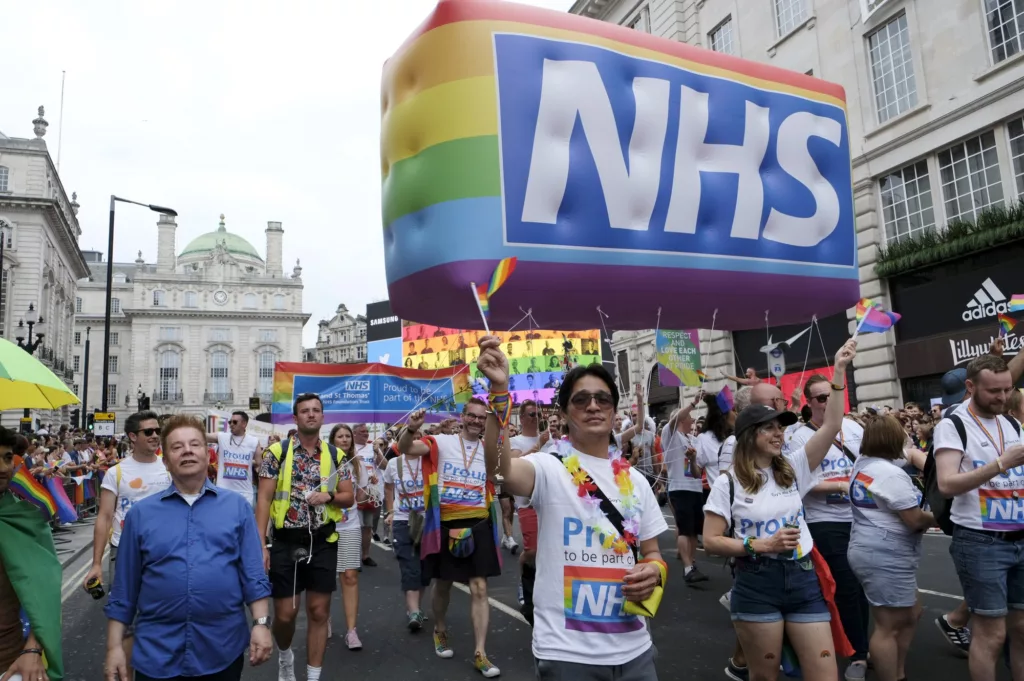
An NHS worker has won a discrimination case against her employer over a policy that allowed transgender women to use female single-sex toilets and showers, in a ruling that legal experts warn could open the door to thousands of similar lawsuits across the health service.
Tribunal rules NHS policy discriminatory
The Leeds Employment Tribunal upheld the complaint brought by a Muslim woman, who cannot be named for legal reasons, finding that NHS England’s “Trans Equality Policy” and “Trans Equality Procedure” – introduced in 2017 – created a hostile environment and amounted to harassment based on her biological sex. The woman, who has post-traumatic stress disorder caused by male sexual violence, had never encountered a transgender woman in the facilities she used. Nonetheless, the tribunal concluded that the mere existence of the policy constituted indirect sex discrimination and harassment.
During the hearing, NHS England conceded that its policy disadvantaged women, including Muslim women and those with PTSD. The tribunal ruled that the health service had failed to demonstrate the policy was a proportionate means of achieving the legitimate aim of making transgender staff feel included. Crucially, the tribunal noted that under current UK law there is no express legal right for transgender individuals to use single-sex facilities based on their gender identity. It suggested that alternative measures, such as gender-neutral facilities, would have been more appropriate and caused less harm to female staff, who significantly outnumber transgender staff in the NHS.
The ruling follows the landmark Supreme Court judgment in April 2025 in For Women Scotland Ltd v The Scottish Ministers, which unanimously clarified that the terms “sex”, “man” and “woman” in the Equality Act 2010 refer exclusively to biological sex assigned at birth. The Court held that a Gender Recognition Certificate does not alter a person’s legal sex for the purposes of discrimination law. While transgender people remain protected from discrimination and harassment under the protected characteristic of gender reassignment, their access to single-sex spaces is now subject to this biological definition.
However, the legal landscape remains uncertain. A separate tribunal case involving NHS Fife, decided before the Supreme Court ruling, appeared to conclude that a transgender person had the right to use facilities aligned with their adopted gender rather than their birth sex. By contrast, another tribunal case involving eight female nurses against County Durham and Darlington NHS Foundation Trust followed the Supreme Court’s decision and found the Trust’s policy unlawfully harassed and indirectly discriminated against female staff by permitting transgender employees to use female changing rooms, also breaching the Workplace (Health, Safety and Welfare) Regulations 1992.
Wider implications and calls for clarity
The Leeds ruling has triggered warnings of a potential wave of litigation. The claimant could receive up to £25,000 in compensation, but legal experts say the real cost will come if similar claims are brought by female staff across the country. Elizabeth McGlone, managing partner of Didlaw, the law firm that represented the claimant, said the judgment opened the door to large-scale group legal action. “You could now have massive group claims,” she said. “On the premise of the facts of this case, that gives women who are in this position in local authority or public body employers the grounds to bring a claim. We’re talking about every council in the country that flies its Progress flag, its trans-inclusion flag and then actually has facilities that don’t protect biological women in a safe space.”
Despite the Supreme Court’s clarity, many NHS trusts have yet to update their policies. An audit conducted last month found that 97 per cent of 190 NHS trusts in England with inpatient facilities still had outdated policies permitting transgender biological males to use women-only spaces including wards, changing rooms and toilets. While some trusts have withdrawn previous guidance in light of the Supreme Court ruling, no replacement policies have been put in place, meaning the situation on the ground has effectively remained unchanged.
The Equality and Human Rights Commission (EHRC) issued an interim update in April 2025 stating that “sex” means “biological sex” under the Equality Act and that trans women should not be permitted to use women’s facilities in workplaces or public-facing services. That interim guidance was later withdrawn. The EHRC has since submitted a revised Code of Practice on Services, Public Functions and Associations to the government in September 2025, which is still awaiting ministerial approval. Ministers have said they will publish the guidance after the May elections and have pledged to do so before the end of the month, while affirming their commitment to the protection of single-sex spaces based on biological sex.
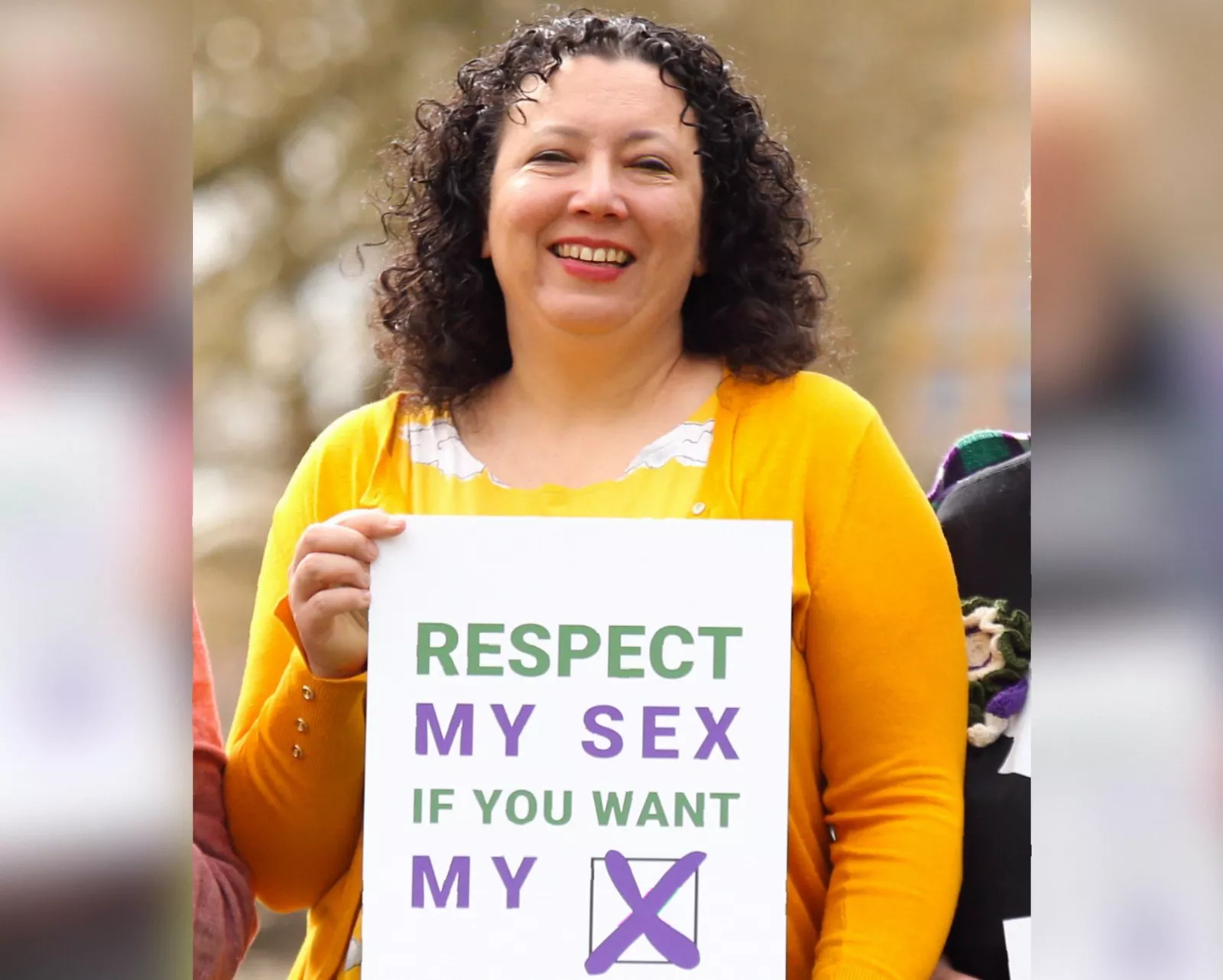
Critics argue the delay is unacceptable. Maya Forstater, chief executive of Sex Matters, the sex-based rights charity, said the ruling demonstrated that any female NHS employee with objections to the existing policy could potentially bring a successful claim. She argued that after years of repeated warnings to bring policies in line with the law, further delays were no longer acceptable. “Everybody is excusing themselves on the basis that we’re just waiting on the EHRC guidance,” she said. “Well that’s nonsense, because the Supreme Court ruling is entirely clear. It’s just fear. And it is just procrastination to the highest level.” She added that it was shameful the NHS had required individual women to take legal action before it felt compelled to take seriously their rights to privacy, dignity and safety.
An NHS England spokesman said the organisation recognised the need for revised guidance on single-sex spaces and would consider the tribunal’s findings as it developed a new policy, but declined to comment on the specific employment matter.