

The independent review into maternity services at Nottingham University Hospitals NHS Trust (NUH) has been met with a remarkable and deeply troubling silence from those who ran the unit. Nearly half of the trust’s senior staff refused to speak to Donna Ockenden’s investigation, a decision that will be seen by campaigners and affected families as a final, emphatic refusal to account for a catalogue of failures that left 444 women and 76 newborn babies suffering “potentially avoidable” harm over a 13-year period.
The findings, published on Wednesday, are visceral and harrowing. One woman was told to labour at home for six days before being granted surgery, by which time the room was filled with the smell of infection. A student doctor performed an emergency hysterectomy and accidentally removed the patient’s bladder. In one of the most sickening episodes, a baby’s remains were disposed of as clinical waste. These are not isolated errors, the report makes clear, but the product of a “deep-rooted” and “systemic” failure at the trust, sustained by a “toxic” workplace culture, chronic staff shortages and a complete breakdown in the willingness of staff to listen to the women in their care.
‘If we listened to every mother’s concerns’
Perhaps the most pervasive and damning theme running through the Ockenden review is the routine dismissal of women’s reports of their own symptoms. Pregnant women and new mothers repeatedly described feeling disempowered, blamed or simply ignored when they raised concerns about reduced foetal movements, severe pain, high blood pressure or postnatal deterioration. Their fears were minimised, written off as “maternal anxiety” – a form of medical gaslighting that the report identifies as endemic.
One striking exchange, recalled by Gary Andrews whose daughter Wynter died from oxygen deprivation in a case later described as “clear and obvious neglect”, crystallises the attitude. A clinician told Andrews: “If we listened to every mother’s concerns, we’d be overrun.” On Wednesday, Andrews gave his retort: “If you’d listened to every mother’s concerns, there would be hundreds of mothers, babies, still alive.”
This pattern of disbelief is not unique to Nottingham. The Guardian columnist Rhiannon Lucy Cosslett, herself a mother who was told she was not having contractions when she was, noted that across the country women are regularly belittled. Her inbox is filled with stories of women being denied pain relief, laughed at by midwives, subjected to unwanted interventions. “The walking wounded are in the library singing Wind the Bobbin Up, trying to smile like everything’s fine,” she wrote.
The Ockenden report found that the failure to listen was even more pronounced for women from Black, Asian and other ethnic backgrounds, as well as teenage mothers and those from the most deprived areas. This echoes wider evidence: Black women in the UK are more than twice as likely as white women to die during pregnancy, childbirth or the postnatal period. Disabled women face higher odds of stillbirth and neonatal mortality, and migrant women often experience significant delays in accessing antenatal care. As the report puts it, “unacceptable racism and discrimination” was woven into the fabric of care at NUH.
A culture of fear and silence
Why are women’s concerns so routinely dismissed? The review offers a constellation of explanations. At the heart of the problem lies a “bullying and toxic culture” that persisted at NUH for years, characterised by hierarchy, nepotism, aggressive behaviour and intimidation. Junior staff were afraid to escalate concerns. Bullying rates in maternity units have been reported at double the NHS average, and the Ockenden review found that this climate directly impeded improvements in care.
Chronic understaffing was another critical factor. Midwives, obstetricians and neonatal staff were described as overstretched, exhausted and unable to respond promptly. Nine in ten midwives surveyed by the Royal College of Midwives have reported that unsafe staffing levels directly affect care, and three-quarters have considered leaving the profession because they fear for patient safety. The report makes clear that these conditions create an environment where it becomes easier to dismiss a woman’s distress than to investigate it properly.
Broader structural issues are also at play. Half of female patients surveyed by Mumsnet felt they had been dismissed or ignored because of their sex, and 64% had been explicitly told their pain or symptoms were “normal” or “in their head”. This pattern of “medical misogyny”, as it has been termed, contributes to delays in diagnosis and treatment for conditions that disproportionately affect women, from endometriosis to fibromyalgia. In maternity care, the stakes are life and death.
Vindication for grieving families
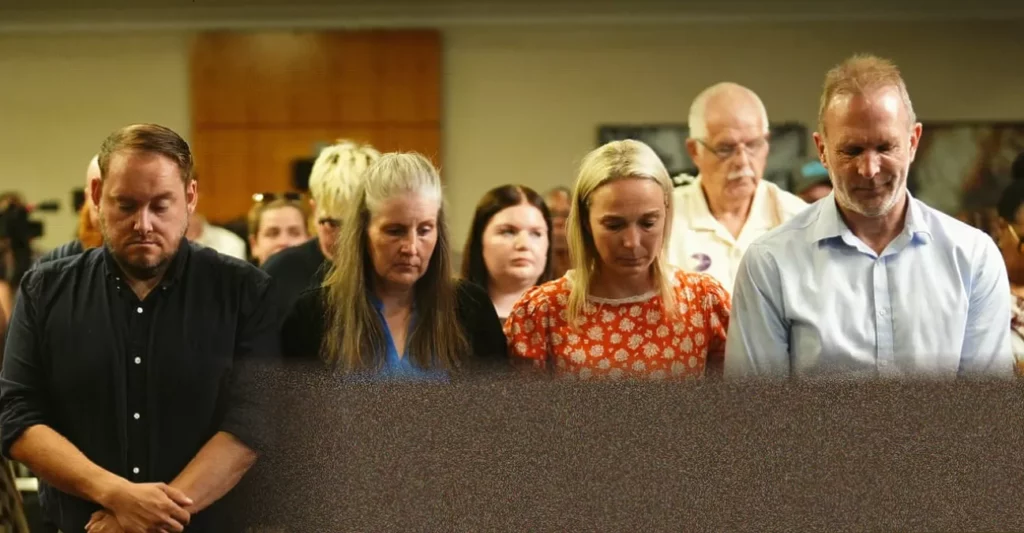
For the families who campaigned for years for this review, the report represents a bitter vindication. Harriet Hawkins died in 2016 due to a mismanaged labour. Her mother, Sarah, said that she and others were made to feel like “mad grieving parents” as they fought for answers. Daniela O’Sullivan and her baby Adele died in April 2021 after multiple missed opportunities. Ellise Rawson and her baby Kahlani suffered avoidable harm; Kahlani died four days after birth. Baby Quinn Lias Parker lived only one day, and his mother was exposed to significant risk of avoidable harm. The report contains many such stories, each a private tragedy made public by the determination of families who refused to be silenced.
Yet even now, accountability remains elusive. Nearly half of the trust’s senior staff declined to participate in Ockenden’s review. Future inquiries will have stronger powers to compel testimony, with those refusing to give evidence risking a prison sentence, but for the families of Nottingham the damage is done. The trust itself has been prosecuted by the Care Quality Commission for failing to provide safe care and treatment, resulting in significant fines.
The path forward
In response to the review, the government has committed to rolling out “Martha’s Rule” – a patient safety initiative that gives patients and families the right to an independent second opinion when their condition is deteriorating – across all maternity settings in England. The extension is a welcome step, but as campaigners have pointed out, it still relies on the ability of a woman in labour or a traumatised new mother to advocate for herself. It is a heavy burden to place on Britain’s hundreds of thousands of pregnant women.
What is needed, the report and its victims argue, is sustained investment: skilled staff who are valued and not overworked, a culture that listens to women rather than dismissing them, and accountable management at every level. The staffing emergency declared by the Royal College of Midwives shows that the crisis is not confined to Nottingham. Stillbirth and neonatal death rates across the UK, which had been falling for years, rose in 2021 for the first time in seven years. The government’s ambition to halve those rates by 2025 has stalled.
The victims of Nottingham have been vindicated, but their fight has exposed a system that is failing women on a national scale. The report’s central lesson is simple: women know their own bodies. The tragedy is that so many medical staff refused to believe them – and that nearly half of the senior staff involved still will not face the consequences.