


Seven nurses who took their NHS trust to an employment tribunal over a transgender colleague’s use of female changing rooms have won a landmark payout of £187,000, bringing an end to a three-year legal battle that exposed deep failures in the handling of staff concerns.
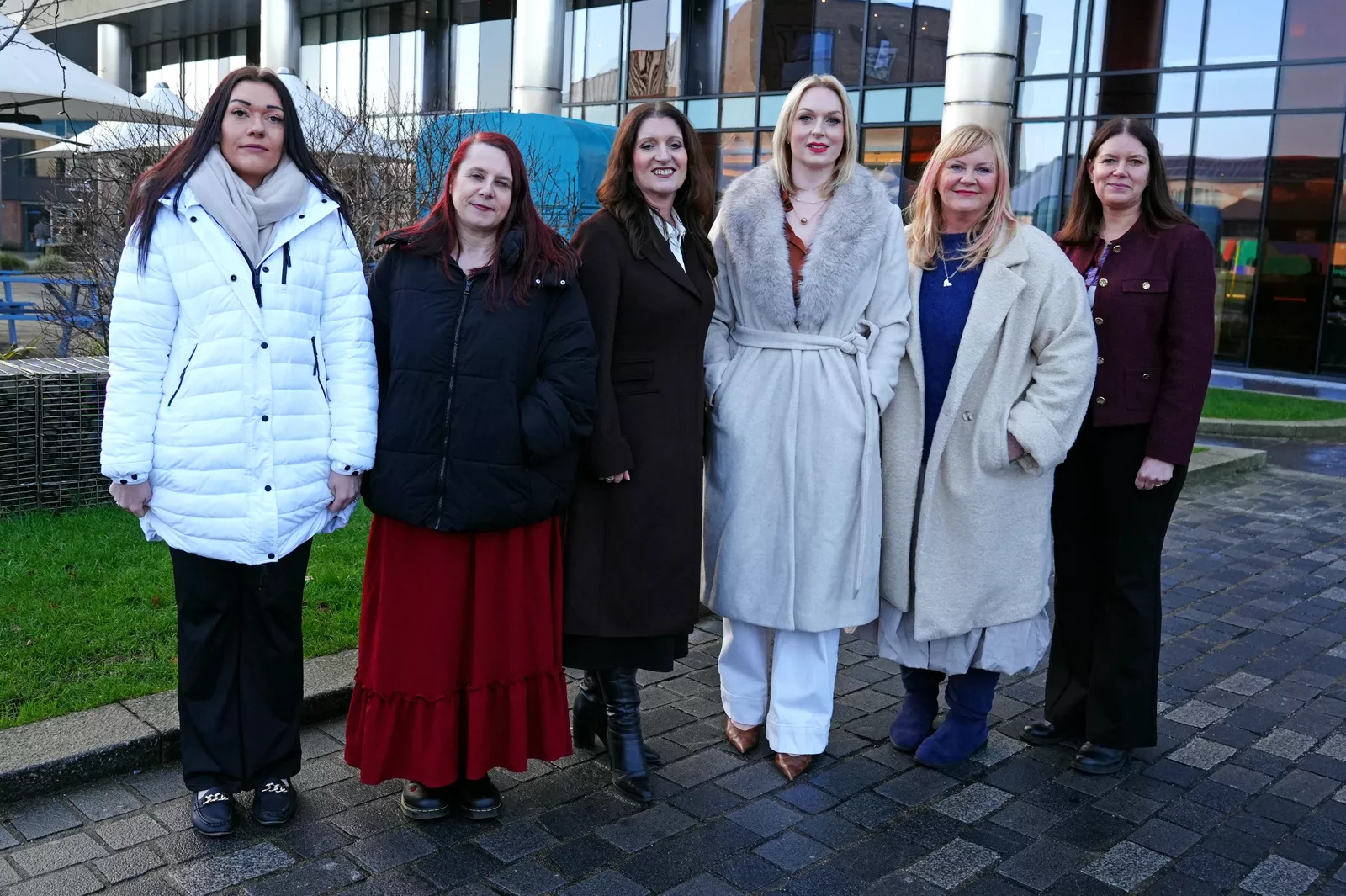
The group of day surgery staff from Darlington Memorial Hospital – Bethany Hutchison, Lisa Lockey, Karen Danson, Tracy Hooper, Annice Grundy, Carly Hoy and Jane Peveller – brought their claims against County Durham and Darlington NHS Foundation Trust in 2024 after the trust allowed a biological male colleague who identifies as a woman, Rose Henderson, to use the women’s changing facilities. The tribunal ruled in the nurses’ favour in January 2026, and the trust formally apologised in June 2026, handing over damages of £187,000. The sum does not cover the nurses’ legal costs, and the trust’s own legal bill – which has already reached £603,000, equivalent to more than 19 annual salaries for newly qualified nurses – will be determined at a future hearing.
The trust has since withdrawn its “Transitioning in the Workplace” policy, committed to maintaining single-sex facilities, introduced unisex changing spaces, and confirmed it will not appeal the tribunal’s decision. In separate apology letters to each nurse, the trust acknowledged: “We recognise that we have a responsibility to provide a safe, respectful and inclusive working environment for everyone. The tribunal’s findings make clear that we did not get this right for you, for which the Trust expresses its sincere apologies.” The letters added: “We also acknowledge that in our decision making, we did not adequately consider your concerns, formally or informally and we sincerely regret that we were unable to get this right.”
’Ostracised’ for raising concerns
The nurses first raised their objections in August 2023. They told management they felt uncomfortable and unsafe undressing in front of a biological male colleague. According to evidence heard by the Newcastle Employment Tribunal, staff who voiced these concerns were told to “broaden their mindset,” “be educated,” and accept the trust’s policy. Instead of addressing their complaints, the trust ordered the seven women to use a makeshift “temporary” changing space that opened onto a public corridor and was not compliant with fire regulations. Bethany Hutchison, president of the Darlington Nursing Union, said the women were “ostracised” from the female changing room and effectively segregated. “We were put in a converted office and we were told to stay in there,” she said.
The impact on the nurses was profound. Some reported suffering panic attacks triggered by memories of childhood abuse after encountering a semi-naked male colleague in the changing room. One pregnant staff member was allegedly subjected to inappropriate personal comments about her body. The tribunal noted that Rose Henderson was not personally to blame for the situation and dismissed allegations of harassment against her, placing responsibility firmly on the trust.
Judge: trust ’harassed’ and ’violated’ nurses’ dignity
The central finding of the tribunal was that the trust’s actions amounted to unlawful harassment and indirect sex discrimination. The judge ruled that requiring the female nurses to share a changing room with a biological male trans woman constituted “unwanted conduct related to sex and/or gender reassignment” which had the effect of “violating the dignity of the claimants and creating for the claimants a hostile, intimidating, humiliating and degrading environment.” This was not a dispute about the transgender colleague’s identity, the tribunal stressed, but about the trust’s failure to balance competing rights. The trust was “responsible and accountable for this state of affairs, not Rose,” the ruling stated.
On the charge of indirect sex discrimination, the tribunal found that the policy of allowing access to single-sex changing rooms based on self-declared gender identity put women at a particular disadvantage compared to men, because women are more likely to feel fear or distress when getting changed in front of the opposite sex. The trust could not justify its policy as a proportionate means of achieving a legitimate aim. The ruling has been widely seen as influenced by the Supreme Court’s April 2025 judgment in For Women Scotland, which confirmed that “sex” in the Equality Act 2010 refers to biological sex. That decision, together with the Equality and Human Rights Commission’s draft code of practice – approved by ministers in May 2026, stating that a trans woman should not use female-only toilets or changing rooms – has reshaped the legal landscape. NHS England is now updating its guidance on same-sex accommodation to align with the code.
Union hopes for national precedent
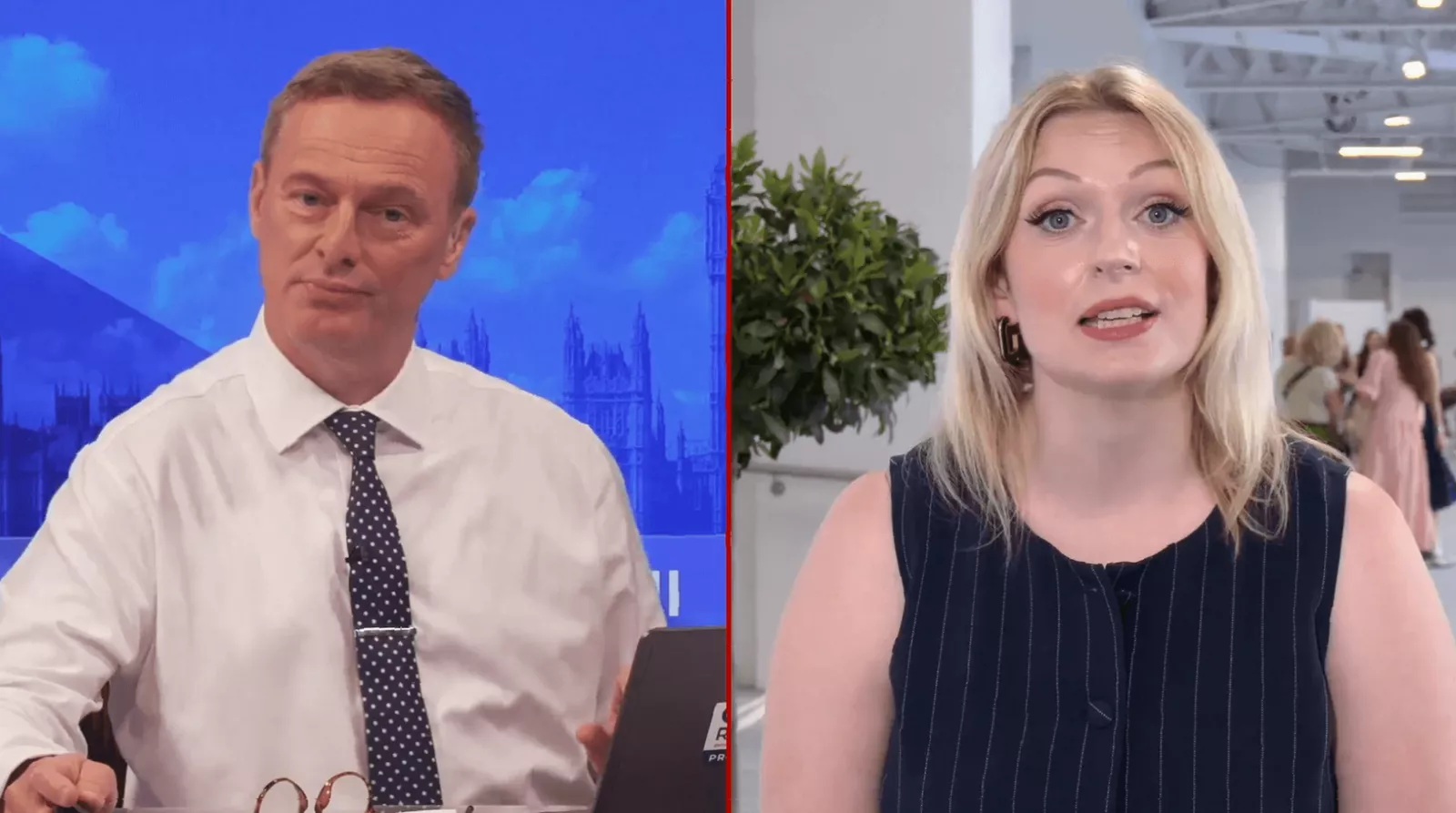
Bethany Hutchison said the outcome was a “terrific win” not just for the seven nurses but for all women and girls, and for staff who have been “too afraid to actually speak up.” She told GB News: “We are delighted that the policy has been removed, that they are going to commit to actually having single sex facilities, and that it is a vast amount of money that has been paid out, which sadly could have been used to improve the NHS, could have been used to employ more nurses and improved facilities.” She called on Health Secretary James Murray to pay attention and support the nurses, noting that his predecessor Wes Streeting had committed to meeting them – a pledge Murray has been criticised for not honouring. Murray’s past comments, including “I believe that trans women are women,” have been contrasted with his more recent acknowledgment that the law is “absolutely clear” that single-sex spaces should be protected on the basis of biological sex.
The nurses were represented by the Christian Legal Centre, with Niazi Fetto KC and solicitor Pavel Stroilov. Andrea Williams of the Christian Legal Centre said: “This case sends a powerful message across the NHS and beyond that ideology cannot override those fundamental duties.” The group, also referred to as “The Magnificent Seven,” received backing from author J.K. Rowling. Despite the tribunal’s unequivocal findings, four of the claimants – Hutchison, Lockey, Grundy and Hooper – continued to face potential investigation by the Nursing and Midwifery Council after referrals in October 2025 alleging “transphobia” and “hate crime” for speaking publicly about their concerns. The employment tribunal recognised that their actions constituted a “protected act” under equality law.
Hutchison described the NHS as “ideologically captured,” where “biological reality, women’s dignity, and basic workplace safety” were sacrificed to trans ideology. She said the nurses hoped the case “sets a precedent across the country and in various sectors, but specifically within the NHS.” The sum of £187,000, she noted, could have been spent on patient care rather than defending a policy the tribunal found unlawful. “Fortunately,” she added, “they decided to fight us on something that actually is not a complex issue. It was a very, very simple thing that should have been done differently.”