

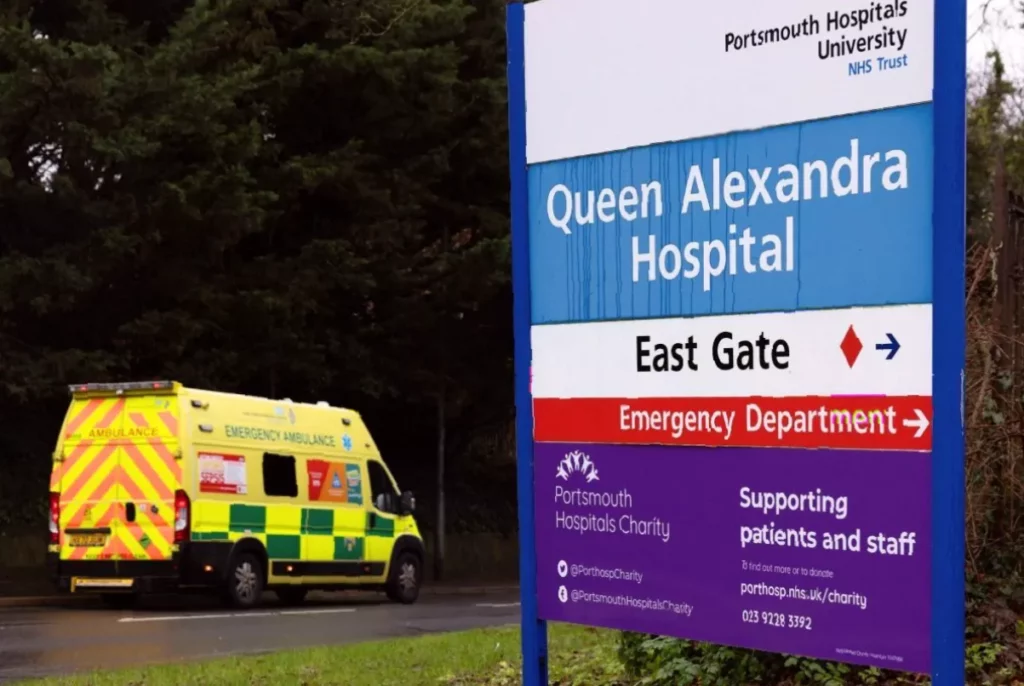
Hospitals across England have been forced to declare critical incidents as record-breaking heat overwhelms aging cooling systems, disrupting MRI scanners, operating theatres and cancer treatment machines.
Critical incidents declared as cooling systems fail
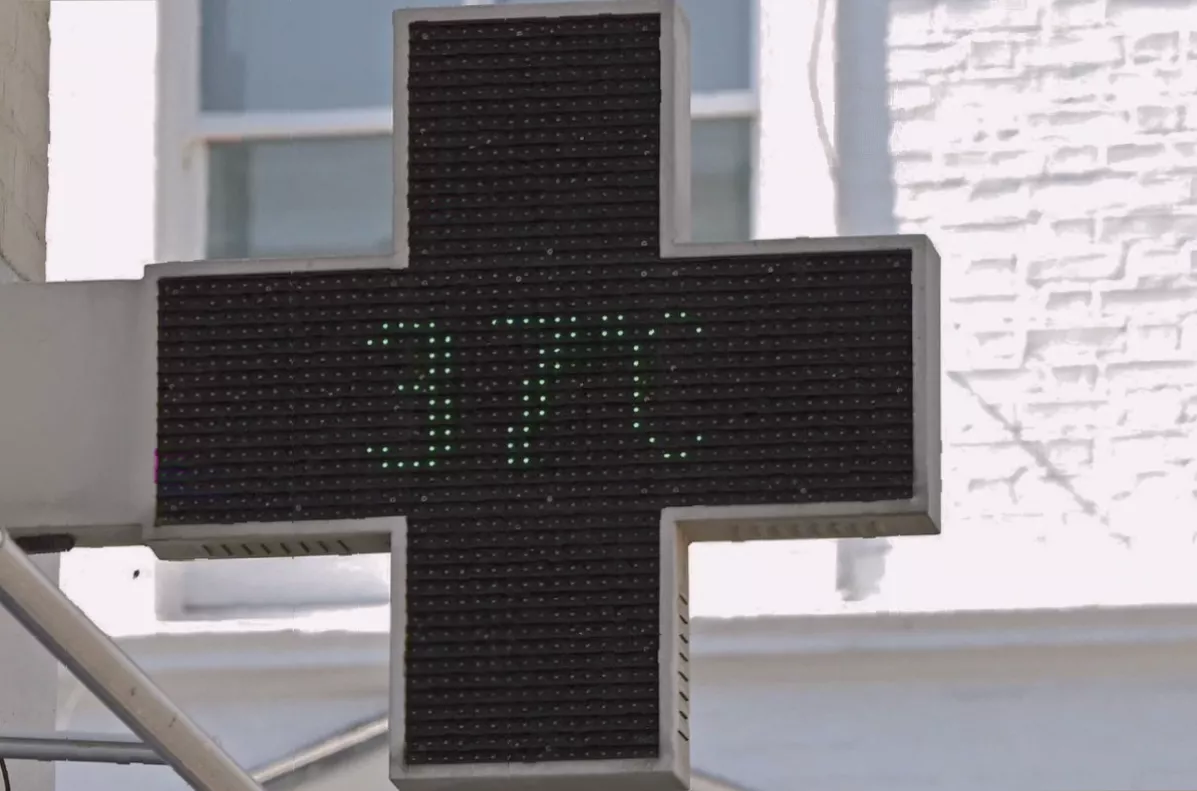
Queen Alexandra Hospital in Portsmouth was among the first to sound the alarm on Wednesday after multiple chiller units failed under the strain of temperatures provisionally hitting 36.1°C in Gosport, Hampshire — a new record for June, according to the Met Office, which issued a rare red warning for extreme heat. The failure pushed temperatures up across the site, disrupting digital systems and clinical services including operating theatres, cardiac catheter laboratories and diagnostic scanning. Mark Orchard, Deputy Chief Executive and Chief Financial Officer for Portsmouth Hospitals University NHS Trust, said essential and emergency services remained available but acknowledged the significant disruption caused by the heatwave and the chiller unit failures. Engineers are working to restore the systems, and patients with appointments have been advised to check for updates.
Norfolk and Norwich University Hospitals NHS Foundation Trust (NNUH) also declared a critical incident after the heat affected the cooling systems for its MRI scanners. As a result, NNUH currently has no working MRI scanners across its Norwich sites, including the main hospital and its community diagnostic centre. At least 254 outpatient appointments have been cancelled. Chris Cobb, NNUH’s Chief Operating Officer, cautioned that the situation might not be resolved quickly, particularly while the heat persists, and apologised for the distress caused. The trust is reaching out to other healthcare providers for assistance.
East Surrey Hospital in Redhill declared a critical incident on 22 June due to high demand on emergency care, exacerbated by the higher temperatures and difficulties discharging patients. The alert was later called off, but the hospital had rescheduled appointments. Dr Ed Cetti, Chief Medical Officer for Surrey and Sussex Healthcare NHS Trust, emphasised that essential services remained open but urged the public to use alternative NHS services for non-urgent conditions. University College London Hospitals warned that some of its buildings have no air conditioning and alerted certain patients that they may need to switch to virtual appointments.
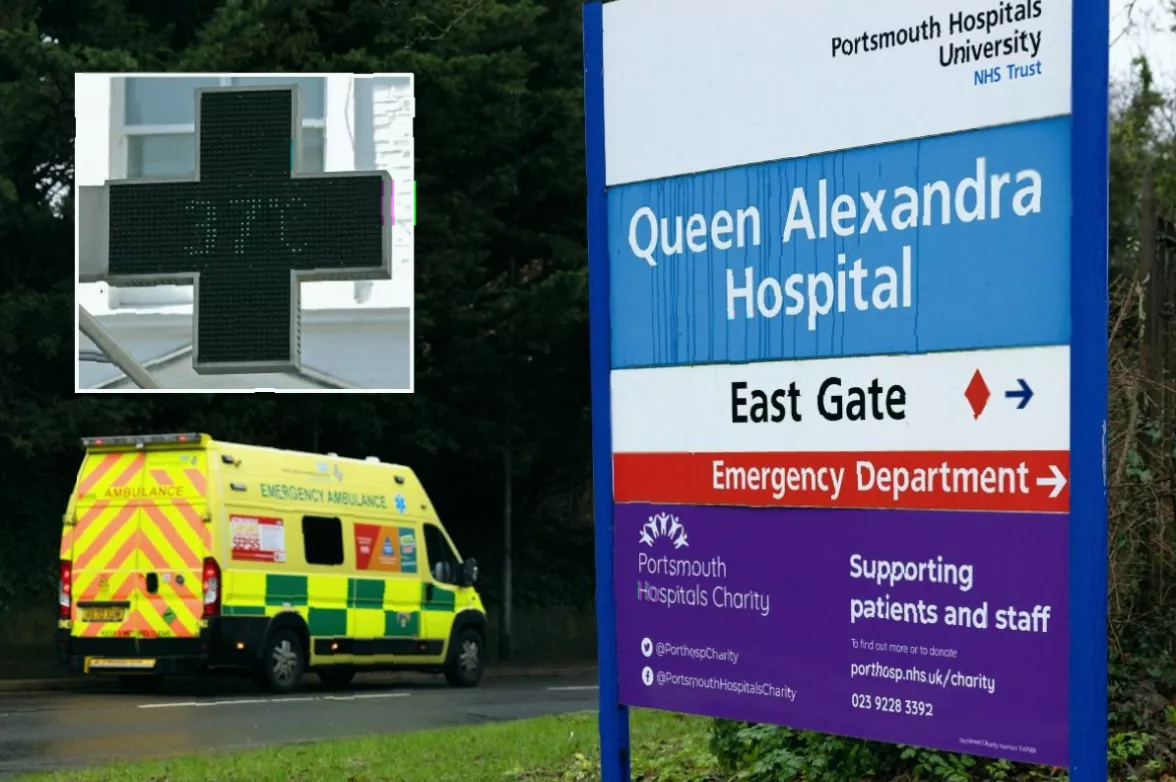
The heat is expected to continue through Thursday and Friday, with forecasters warning that the record could be broken again. Some hospitals have also had to cancel appointments due to surging demand for emergency care, with warnings that pressure on services could intensify further over the coming days.
How heat cripples hospital infrastructure
The current crisis has exposed the fragility of NHS buildings designed for a cooler era. A report published last year found that nine in 10 NHS buildings in England are vulnerable to overheating. Overheating incidents in NHS sites have nearly doubled between 2016-17 and 2021-22. Some hospital wards have recorded indoor temperatures above 30°C even when outdoor temperatures were only 22°C. Even wards with air conditioning have been affected, with some units shut down to prevent damage from the extreme heat. Staff are reportedly struggling with sweltering conditions, and some older patients have endured temperatures as high as 35°C.
The specific impact on cooling systems is acute. Chiller units — which cool water used to regulate temperature in sensitive areas — have failed under the heat load, leading to cascading failures. Without cooling, MRI scanners cannot operate because their superconducting magnets require stable, low temperatures. Radiotherapy machines and critical IT systems have also stalled; two linear accelerator machines used for cancer treatment have stopped working. During the July 2022 heatwave, IT systems at Guy’s and St Thomas’ NHS Foundation Trust failed due to extreme temperatures, triggering a critical incident that disrupted clinical services for weeks.
Beyond the equipment failures, the heat directly affects patient safety. The Met Office has issued a red heat health alert for London and other regions, warning of increased risk of dehydration, heat exhaustion and heatstroke. Vulnerable groups, including the elderly and very young children, are at the highest risk. Heatwaves are linked to sharp increases in deaths: an estimated 2,803 excess deaths occurred in England alone during the 2022 heatwaves. Disrupted sleep patterns due to heat can also adversely impact mental health. Hospitals are advising patients to limit accompanying individuals and bring water when attending appointments.
Broader infrastructure under strain
The NHS is not alone in its vulnerability. Train operators have been forced to reduce speeds to prevent tracks from buckling in the heat, and road surfaces have melted in some areas, requiring gritters to spread sand. Many schools, particularly older Victorian buildings, have described their facilities turning into “greenhouses,” leading to closures or reduced hours across southern England and Wales.
The situation has prompted renewed warnings that Britain’s public infrastructure was built for a climate that no longer exists. UN Secretary-General António Guterres, speaking at London Climate Action Week, said the city was “cooking” and warned that the world faces “a climate crisis pushing us deeper towards higher temperatures and closer to catastrophic tipping points.” Climate attribution studies suggest that human influence has significantly increased the chance of extreme heat events; without climate change, heatwaves like the current one would be far less frequent.
The UK’s Climate Change Committee has recommended that new buildings be designed to keep cool from the outset, and experts stress the need for sustained investment in infrastructure and public spaces to cope with future heat. The greatest challenge, they note, is not just single peak temperatures but prolonged heatwaves and warm nights — conditions that the current wave of critical incidents has made all too apparent.