

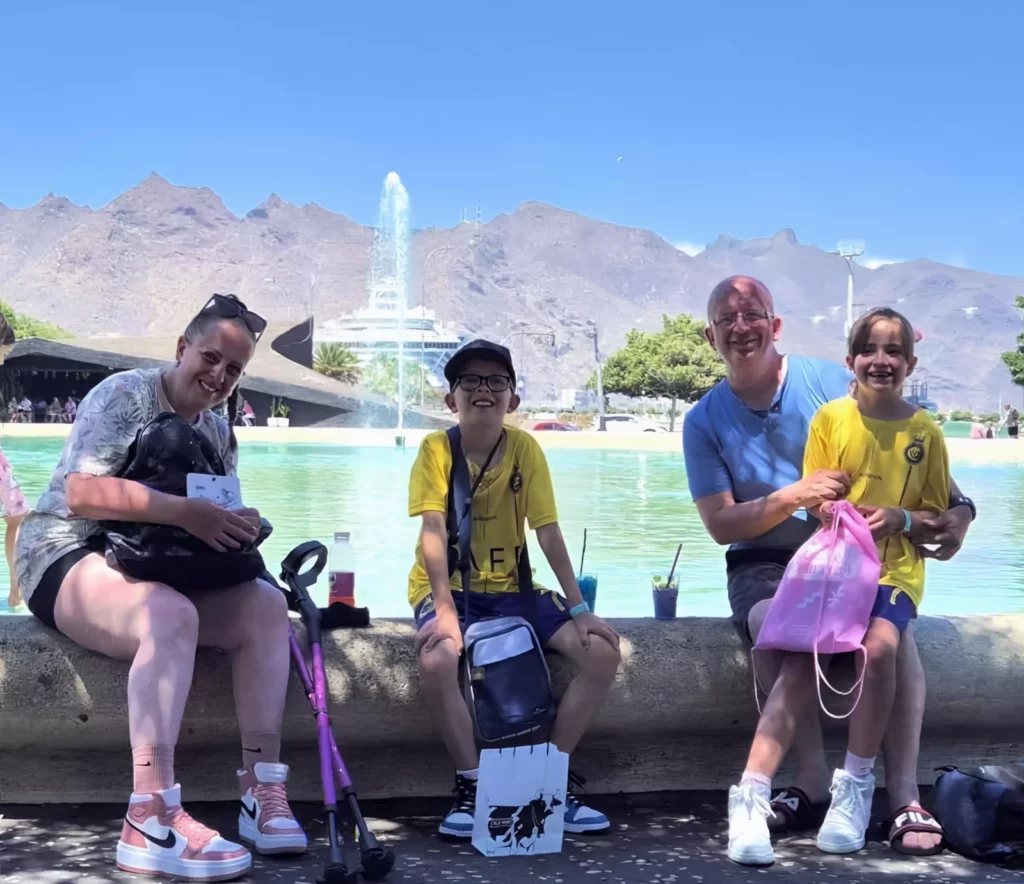
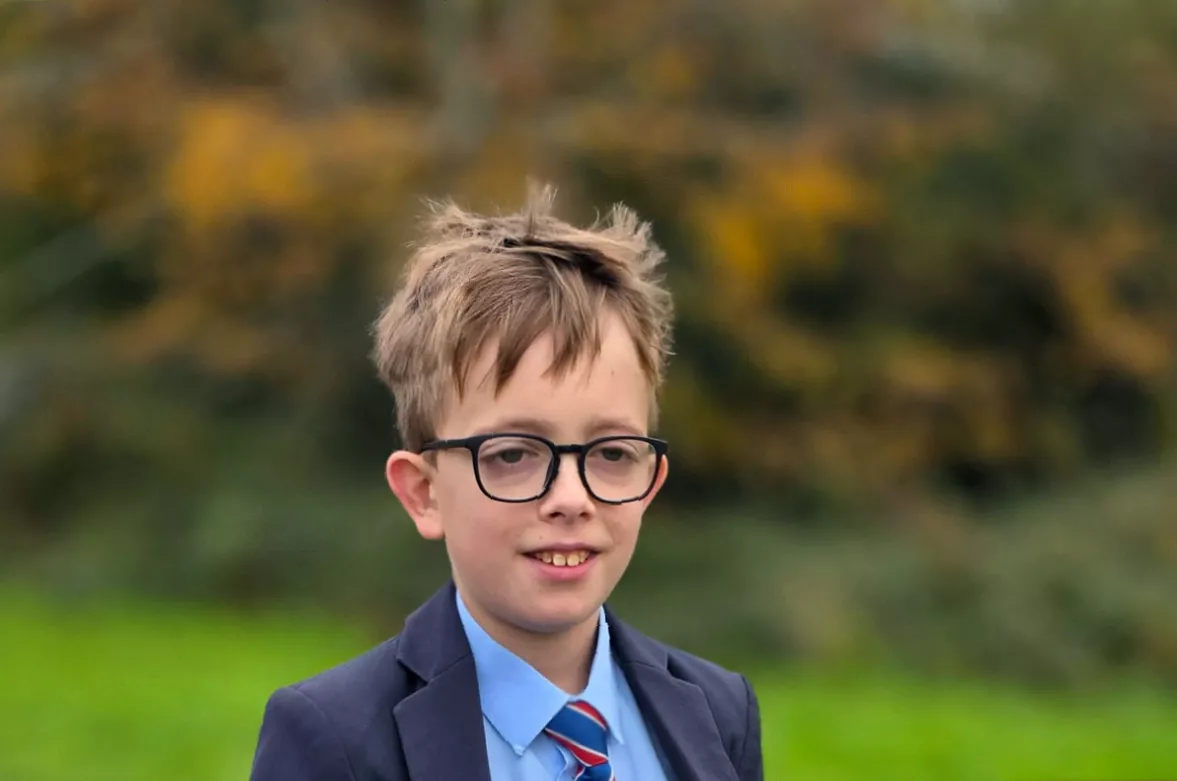
A 13-year-old boy from Cornwall is calling for more O negative and B negative blood donors after a catastrophic haemorrhage following surgery last year left him needing 23 units of blood products to survive. Elliott Wills, whose rare blood disorder requires regular transfusions, lost seven litres of blood – roughly three times his total circulatory volume – when a main artery burst during an operation in Bristol. His father Phil was told to prepare for the worst while his mother Gill, unable to travel due to her own serious health problems, remained at home in Truro.
Elliott has since made a remarkable recovery. He spent three weeks in hospital, three days of which were spent in an induced coma, but has returned to Penair School in Truro and is back playing football, though he tires easily and must take extra care during sports. He is looking forward to his 14th birthday on June 29th. The teenager’s life was saved by a team of 20 medical staff who worked for three hours to stabilise him at Bristol Royal Hospital for Children, transfusing blood as fast as it was bleeding out. He received 23 units of blood products – the equivalent of seven litres – with emergency supplies of O negative blood, the universal donor type that can be given to any patient in the critical moments before blood type testing is possible.
A rare blood disorder and an urgent plea
Elliott has an inherited condition called spherocytosis, which affects the shape and durability of red blood cells and can cause severe anaemia. The disorder was complicated by a virus that led to the need to remove his spleen and gall bladder – the surgery during which the arterial rupture occurred. Spherocytosis means Elliott requires regular blood transfusions to manage his condition, and his own blood type is the rarer B negative. This makes him especially dependent on donors of both that type and the universal O negative, which is used in emergencies and for patients with serious blood disorders such as sickle cell disease.
NHS Blood and Transplant (NHSBT) has warned that stocks of O negative and B negative blood are under persistent pressure. The number of regular donors with these types has dropped by 5 per cent since 2020, leaving approximately 107,000 regular O negative donors – about 6,000 fewer than six years ago. The health service needs around 5,000 donations every day across the UK, and a single donation can save up to three lives. The call for more donors is particularly acute in Cornwall, which requires roughly 1,647 new donors annually to meet demand. Between 2022 and 2023, over 16,000 donations were made in the county, but this was insufficient to maintain adequate winter stocks, and the Cornwall Air Ambulance – which began carrying blood products in December 2020 – performed 19 transfusions in 2023 alone.
NHSBT is also appealing specifically for younger donors. The number of 17-to-24-year-olds giving blood has halved in the last five years. Some potential donors report difficulty finding available appointments, with restrictive scheduling and a perceived reduction in mobile donation units compared with previous decades. The COVID-19 pandemic exacerbated these challenges, with short-notice cancellations and reduced collections hitting stock levels. Demand for blood typically rises over winter, making steady supplies of O negative and B negative especially critical for trauma patients, newborn babies and those with conditions such as sickle cell disease – a growing need that has also prompted urgent appeals for more Black donors, who are more likely to have the specific Ro blood subtypes required for treatment.
For Elliott and his family, the shortage is not an abstract statistic. His father Phil, 53, who is the full-time carer for his wife Gill – she has a spinal condition and recently underwent major surgery – said he was told to prepare for the worst during the three-hour battle to save his son. Gill could not travel from Truro to Bristol due to her own health problems and remained at home with Elliott’s 12-year-old sister, Marnie. The family is now backing NHSBT’s drive to recruit a million new donors across the UK between 2022 and 2026, and Elliott is speaking out to emphasise that O negative and B negative donors are urgently needed to ensure other patients in emergencies receive the same second chance he was given.