

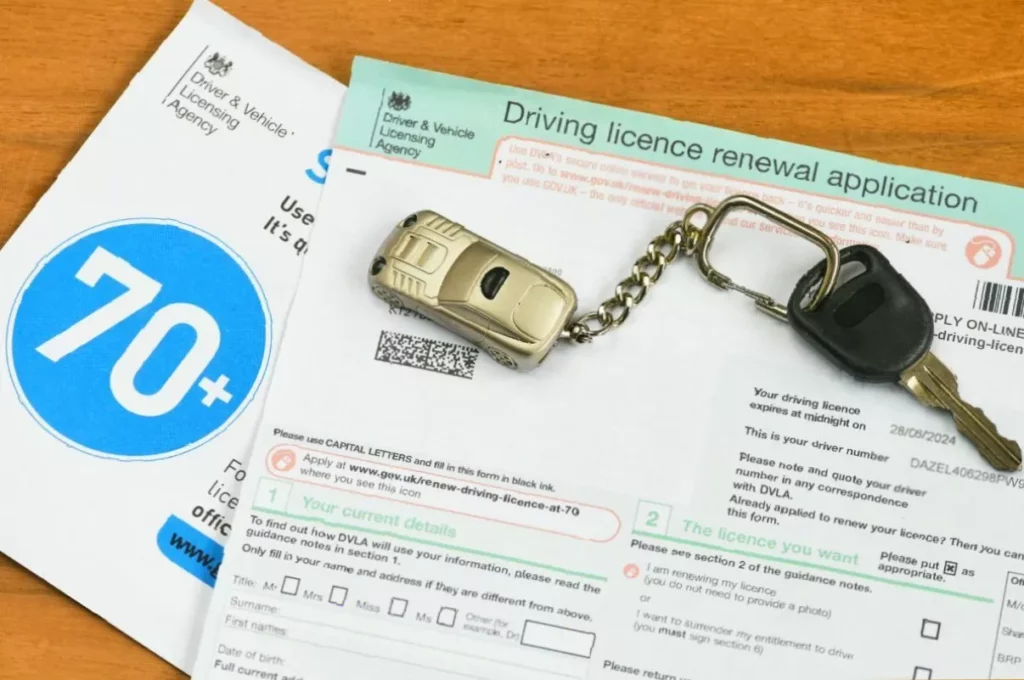
More than 55,000 drivers waited longer than six months for a medical licensing decision last year, according to data from the Driver and Vehicle Licensing Agency (DVLA), as concerns grow over the impact of prolonged delays on older motorists and those with health conditions.
In 2023, the DVLA made 723,126 medical decisions on driving licences, a sharp decline from 863,431 in the previous year. Of those, over 213,000 took longer than 60 working days to complete, and 55,854 drivers had to wait more than half a year. By March 17 2026, the backlog had grown to 271,609 cases awaiting a medical licensing decision. In the 2025/26 financial year alone, more than 830,000 decisions were made, yet the average processing time stood at 56.66 working days — above the agency’s own target of 50 working days set out in its 2025-2026 Business Plan.
The delays have left drivers like Glenda Edwards, an 82-year-old who applied for a new licence in January after declaring she had glaucoma, in limbo. Her doctor later told her she does not have the condition, but she has been unable to contact the DVLA to update her application. A friend said: “She’s been very distressed by it. More so because she doesn’t have her licence and she’s worried about being stopped by the police.” Ms Edwards now uses her car far less than she used to.
The DVLA process and the obligation to inform
Drivers are legally required to tell the DVLA if they develop a “notifiable” medical condition or disability, or if an existing condition worsens. These conditions — which can affect a person’s ability to drive safely — include diabetes, fainting, heart conditions, epilepsy, strokes and glaucoma. Failure to notify the DVLA can result in a £1,000 fine or prosecution if the driver is involved in an accident. Once a driver reaches 70, they must renew their licence every three years, and any medical declaration can trigger a lengthy assessment.
The process remains heavily reliant on paper correspondence, a fact criticised by Vikki Slade, Liberal Democrat MP for Mid Dorset and North Poole, who described the DVLA as being “stuck in manual”. While online services exist for some conditions, many applications — even those started digitally — lead to further paper forms and letters. The agency also depends on receiving information from third parties, particularly medical professionals, which can add weeks or months to a case. Shortages of specialists to review medical reports are another contributing factor.
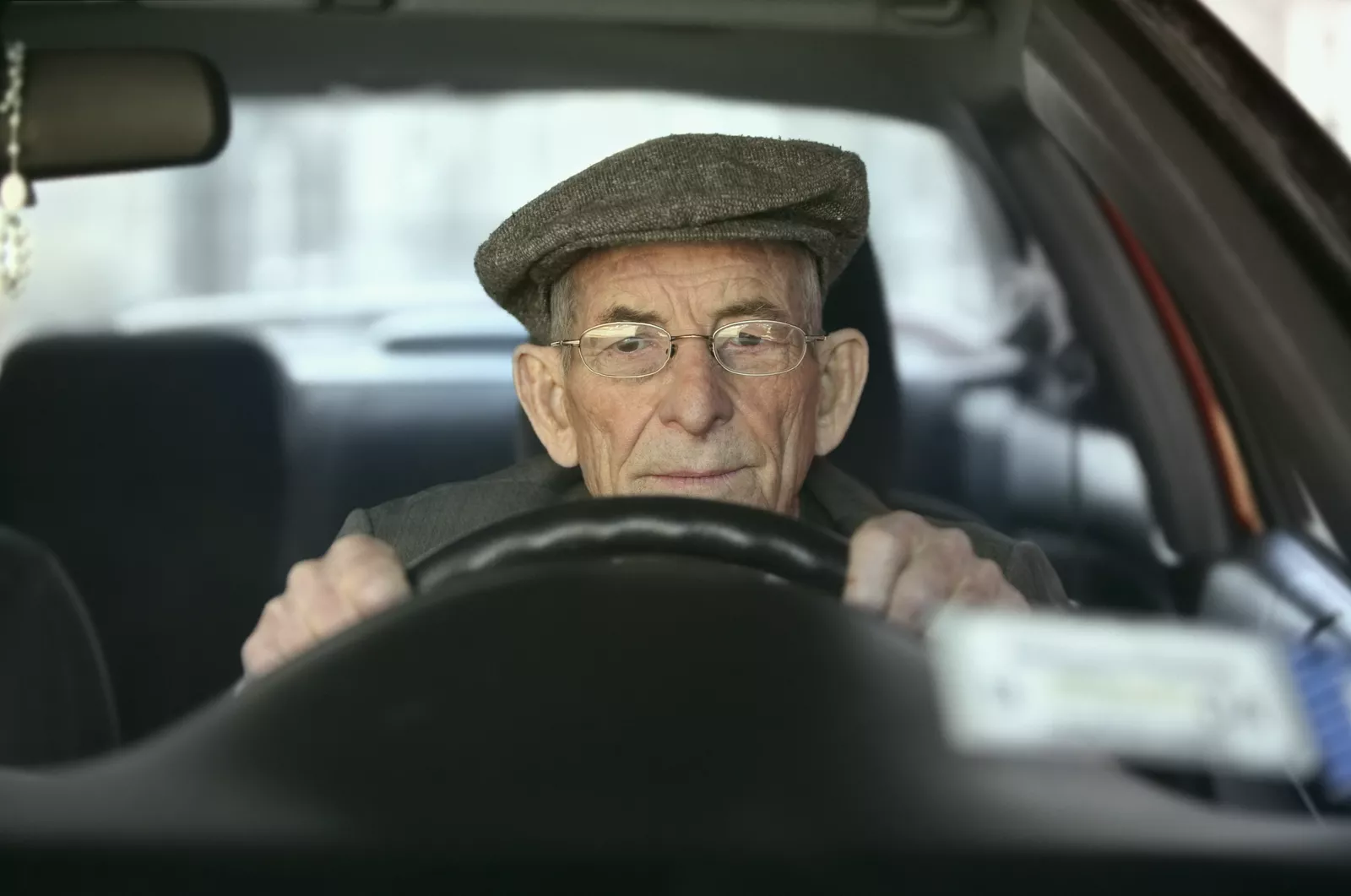
Why the delays are so significant
The DVLA has cited “exceptionally high demand” for applications from customers with medical conditions, with both the volume and complexity of cases rising. An ageing population is a key driver of this demand. The COVID-19 pandemic also severely disrupted the agency’s ability to handle paper-based applications, creating a substantial backlog that has not been fully cleared.
Despite recruiting additional staff and introducing a new casework system, demand continues to outpace capacity. The DVLA’s pre-pandemic target — to process 90% of medical applications within 90 days — has not been reinstated. In September 2022, only 62.5% of applications were handled within that window. The contrast with standard online licence renewals, which typically take three to five days, has led to accusations of a “two-tier system”.
Administrative errors have also compounded the problem. In one instance, a constituent’s licence was rejected because of a false claim of a name change, costing them six months of valid driving. Another constituent received the full medical records of another person by mistake.
The DVLA’s response
The DVLA has apologised to customers for the long waiting times. Transport Minister Simon Lightwood acknowledged in a recent parliamentary debate that service levels had fallen below expectations and said the Government and the DVLA were working to “put things right”. He noted that more than 830,000 medical licensing decisions had been made in 2024-2025 alone.
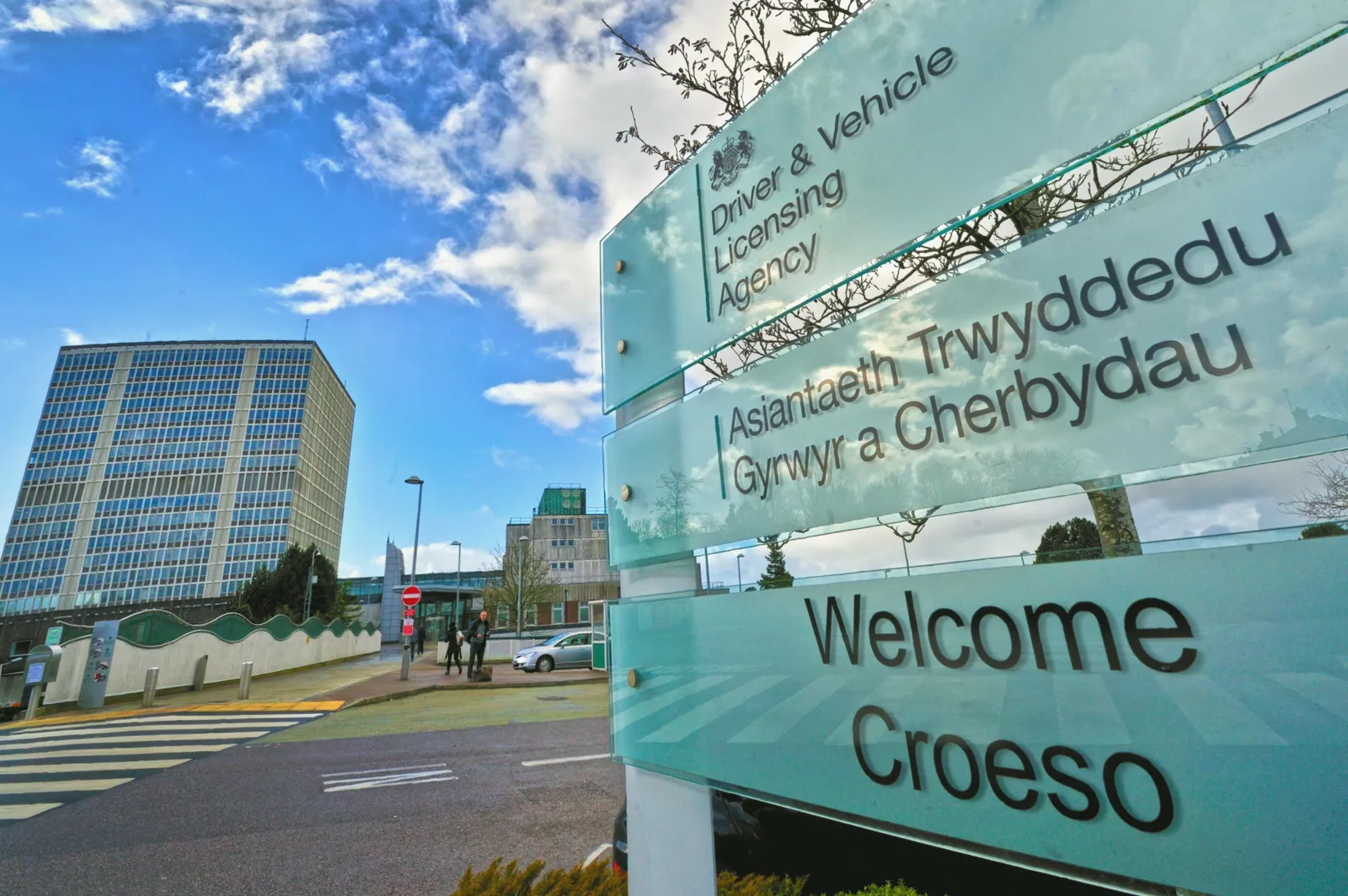
MPs have highlighted the real-world consequences. Claire Young, Liberal Democrat MP for Thornbury and Yate, said one of her constituents — a self-employed driver — had lost more than £60,000 in work because of delays in restoring their licence. Vikki Slade spoke of a constituent named Isabella who is still waiting for the DVLA to process her case, even though her able-bodied sister has already started driving lessons.
In 2026, the DVLA cancelled 33,000 licences due to medical disclosures — the highest number on record. Over the past decade, 646,972 drivers have had their licences revoked for medical reasons.
The agency said it aims to make a decision as quickly as possible once it has the necessary information. A spokesperson added: “Our staff are working hard to reduce delays, and we have introduced a new casework system which is expected to deliver significant improvements as more customers transact via our new online system.”