

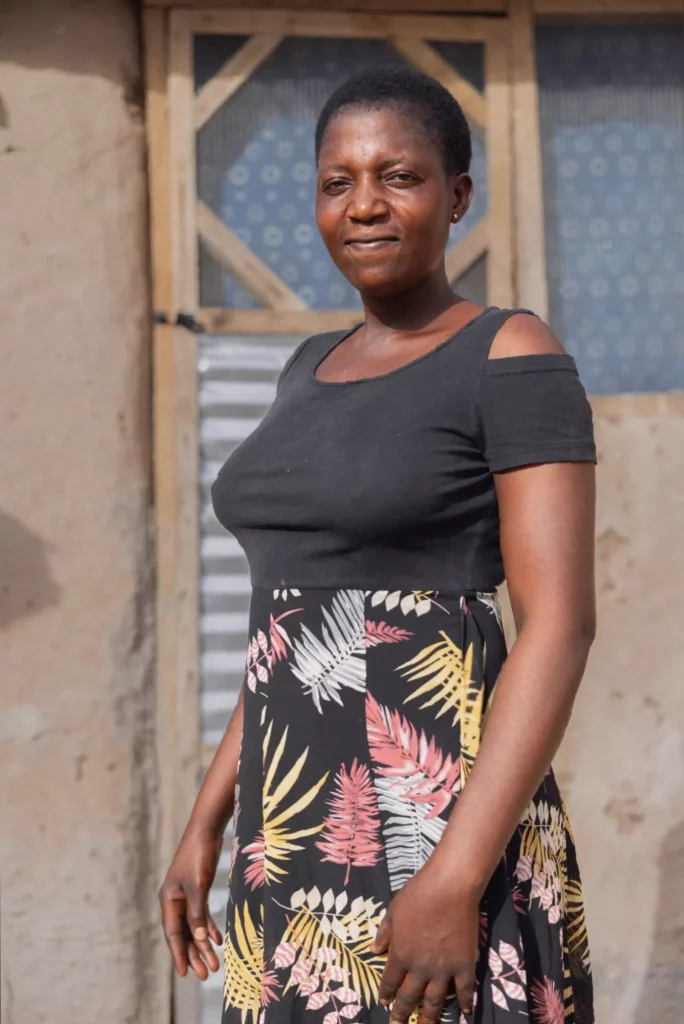
A mother risked death crossing flooded rivers in the dead of night to deliver her twins safely — only to face a new and relentless ordeal born of the same root cause: the absence of clean water and basic sanitation at her local clinic.
Dorcas Azongo, 29, was in labour with twins at her home in Beo-Tankoo, a community in Ghana’s Bongo district — one of the poorest districts in the country, according to WaterAid Ghana. The local health centre had no maternity ward, no midwife, and no water, sanitation or hygiene (WASH) facilities. Faced with the impossible choice of giving birth alone or risking a hazardous journey, Dorcas set out in search of a facility that could handle a twin delivery.
Her journey, described by Basile Ouedraogo — a communications specialist for WaterAid Burkina Faso who met Dorcas nearly a year later — involved crossing a flooded river by canoe at night. When she reached the clinic on the other side, staff turned her away because they could not manage a twin birth. In excruciating pain, she crossed back over the same river. Her husband met her on a borrowed motorbike and together they crossed another river before arriving at Bongo Hospital. The twins could wait no longer — Dorcas delivered them in the hospital yard before she could reach a bed.
‘The twins are unwell almost all the time’
When Ouedraogo asked how the twins were doing nearly a year later, Dorcas’s voice trembled and her eyes filled with tears. “The twins are unwell almost all the time,” she said. “If I bring them [for treatment], it’s not even a whole month before they have a temperature again. So they’re not in the best of health. I don’t know why.”
The answer, Ouedraogo said, chilled him to the bone. In Dorcas’s eyes he saw a mother who had endured extraordinary hardship to bring her children safely into the world, only to watch them suffer repeatedly.
The reason for the twins’ persistent ill health lies in the very conditions Dorcas had risked her life to escape. WaterAid’s research on Bongo district paints a stark picture. A staggering 69% of healthcare facilities in the district lack proper WASH services, according to a WASH Compact signed in September 2025 between the Bongo District Assembly and WaterAid Ghana. That means midwives cannot wash their hands or sterilise equipment, putting mothers and newborns at serious risk of infection. For Dorcas, the journey did not end at the hospital yard; the cycle of illness continues because the same lack of clean water and hygiene pervades the community she returned to.
In Bongo district, only 4% of residents benefit from safely managed sanitation, and open defecation stands at an alarming 84%. Just 5.3% of the population practices regular handwashing with soap under running water. While 74% of residents have access to basic water services, many rely on tubewells or boreholes, and some must travel long distances to collect water — a burden that falls disproportionately on women and girls. With such poor sanitation and hygiene at home, the twins are repeatedly exposed to the bacteria and viruses that cause fever and infection. Globally, over a million mothers and babies die each year from preventable infections during childbirth due to lack of clean water and hygiene, WaterAid reports.
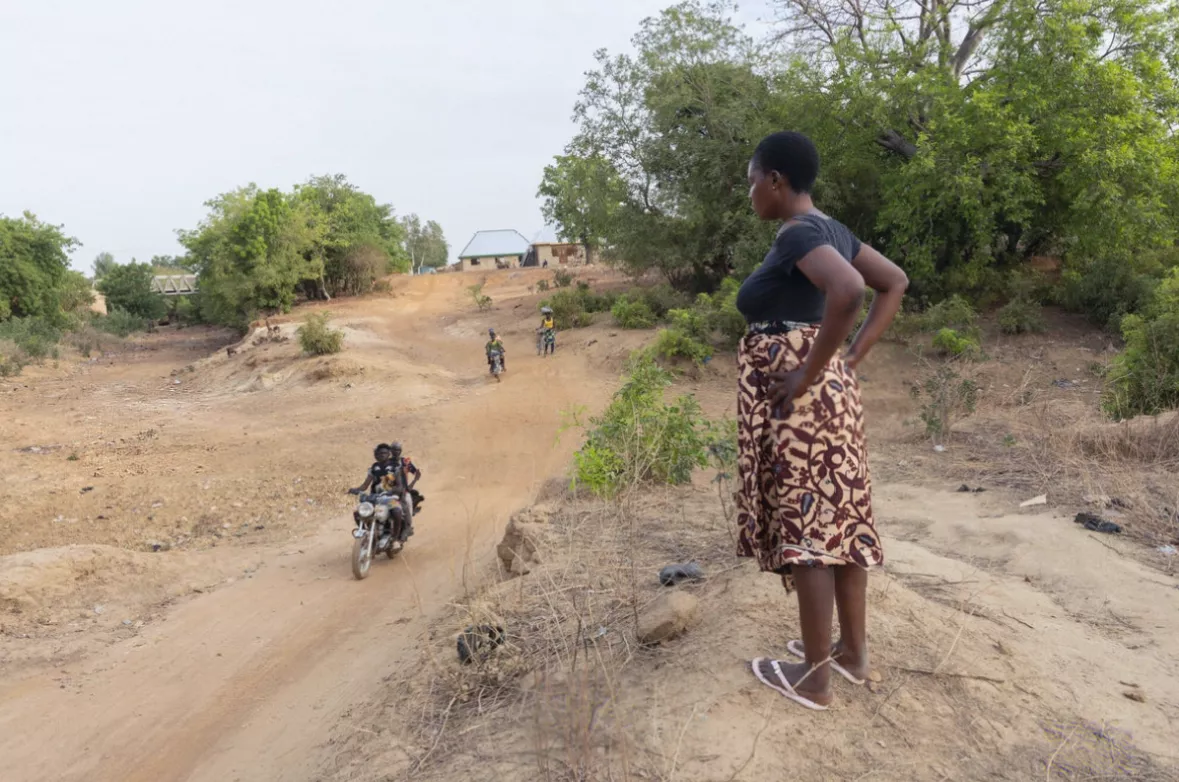
Dorcas later told her husband she did not want more children under the same conditions. She is now raising four children while working as a teacher and continuing her studies.
‘Time to Deliver’ — a call for world leaders
WaterAid is amplifying Dorcas’s story through its ‘Time to Deliver’ campaign, which highlights that every two seconds a woman gives birth in a facility without clean water, decent toilets or good hygiene. The campaign calls on world leaders to ensure that every healthcare facility is equipped with essential WASH services. A key target is the United Nations Water Conference in December 2026, where WaterAid is urging leaders to place women’s voices at the centre of healthcare decisions, fund WASH in health centres, and train healthcare workers.
Basile Ouedraogo, who has worked across West Africa on WASH initiatives for 11 years, said he felt a heavy responsibility to give voice to Dorcas’s story — not as a doctor, but as a witness. “Sharing it and bearing witness to her experience, so that solutions might be found for her and for all women facing similar challenges,” he said.
This article is part of The Independent’s ‘Rethinking Global Aid’ project, funded by the Gates Foundation, which investigates the impact of foreign aid spending cuts on development, global health and security, and uses personal testimonies and data to show the consequences of reduced assistance.
To sign the WaterAid Time to Deliver petition, visit the WaterAid website.