

Close Menu
    Useful
    • About Us
    • Contact Us
    • Advertise With Us
    • Health Explainers
    • Our Editorial Team
    Facebook
    HealthNewsDaily.co.uk
    • Home
      • Explainers
    • NHS

      British Medical Association may lay off up to a third of employees amid financial crisis

      4 July 2026

      GB Mums: lenient justice, NHS maternity and child abuse sentences leave children unprotected

      3 July 2026

      Advance heatwave plans needed, not last-minute fixes, Letters say

      3 July 2026

      NHS calls for PMOS checks in women with irregular periods

      1 July 2026

      Months-long neglect of four cancer signs by third of Britons blamed on GP appointment crisis

      30 June 2026
    • Health Policy

      Hospital waiting list patients to get three weeks’ advance warning under NHS England plans

      3 July 2026

      Britons back morning-after pill sales in corner shops, poll finds

      1 July 2026

      Maternity investigator Ockenden says Amos review offers no fresh insights

      30 June 2026

      Bereaved mother warns England maternity commissioner role poses danger

      30 June 2026

      Medicare to pay for weight-loss drugs soon

      30 June 2026
    • Mental Health

      Letter draws attention to parents of adult children neither employed nor studying

      3 July 2026

      England sees one million children seeking help for anxiety and autism

      29 June 2026

      Joanne McNally says bulimia and breakdown in her twenties ultimately transformed her

      27 June 2026

      Dopamine sites become internet’s most dismal craze

      27 June 2026

      Blue Heron film review: a serious, nuanced examination of childhood trauma in 1990s Canada

      25 June 2026
    • Wellness & Lifestyle

      Weight-loss drugs become new battleground after Brexit rows

      4 July 2026

      Hair transplant surgeon champions specific shampoo routine for greater volume and shine

      4 July 2026

      20-minute technique could help England fans stay awake for Mexico World Cup tie

      3 July 2026

      Doctor warns cutting back on fat could sabotage low-cholesterol diet

      3 July 2026

      NHS to cover cost of shopping for 30-minute daily walkers

      3 July 2026
    • Disease & Prevention

      South-east England forecast to reach 34C as week-long heatwave hits

      4 July 2026

      French fatalities jumped 30% during peak week of record June heatwave

      4 July 2026

      Toddler’s tantrums mistaken for typical toddler phase before grave diagnosis

      3 July 2026

      600,000 mosquitos released over Washington DC to exterminate biting pests

      2 July 2026

      Remaining seated for 30 minutes or more raises risk of cancer death

      2 July 2026
    • Treatment & Research

      Woman, 24, had 12 Botox vials injected into face for non-cosmetic reason

      4 July 2026

      Statins: the purpose and risks of cholesterol medication

      3 July 2026

      Extreme fatigue from Long Covid hampers business owner’s ability to run firm

      3 July 2026

      Five-minute habit can cut cancer risk by more than 20%

      2 July 2026

      Over-40s with obesity show cholesterol and blood pressure levels within normal BMI range, research finds

      2 July 2026
    HealthNewsDaily.co.uk
    • NHS
    • Health Policy
    • Mental Health
    • Wellness & Lifestyle
    • Disease & Prevention
    • Treatment & Research
    Home » Health Policy » Maternity care harmed by prejudice and misogyny, letters claim
    Health Policy

    Maternity care harmed by prejudice and misogyny, letters claim

    James WhitfieldBy James Whitfield29 June 2026
    Hospital maternity ward with empty beds and medical equipment

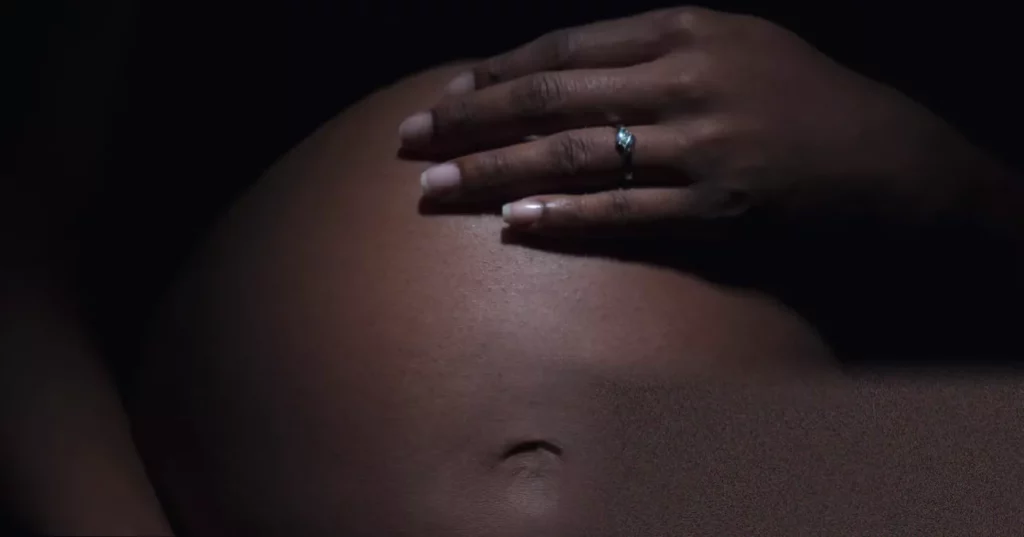
    Women’s accounts of their own symptoms and experiences in maternity care are systematically dismissed because of deep-seated gender and racial prejudices, according to research into formal reports on poor care. The findings, highlighted in a letter from academics at the University of Manchester and the University of Sheffield, point to what they describe as a form of “epistemic injustice” in which women’s “testimonial knowledge” – what they say about themselves and their bodies – is routinely devalued. This pattern, they argue, reflects a broader “medical misogyny” that has devastating consequences for mothers and babies, and is compounded for Black and other ethnically non-white women by racial stereotypes about pain tolerance that lead to inaccurate or missed pain relief in labour.

    The researchers, Professor Sarah Devaney, Dr Victoria Moore, Professor Alexandra Mullock of the University of Manchester, and Dr Laura O’Donovan of the University of Sheffield, said gender-based prejudices carry “disturbing echoes of historical patriarchal assumptions and myths about the mysteries of female bodies.” Women are frequently perceived as anxious, hysterical or irrational, and their physical symptoms are dismissed as psychological. For Black women, these biases are exacerbated by entrenched racial stereotypes, including the false belief that women from particular ethnic groups have higher or lower pain thresholds. The result, the academics warned, is that women’s voices are seen as unreliable and are routinely ignored, leaving them without the compassionate, safe care they deserve.

    Prejudice and misogyny at the heart of maternity failings

    The recent Ockenden Review into maternity services at Nottingham University Hospitals NHS Trust laid bare the human cost of such systemic failures. Examining more than 2,500 cases between 2012 and 2025, the review found that over 500 mothers and babies died or suffered potentially avoidable harm. It identified a culture in which staff did not listen to mothers and fathers, and where concerns raised by patients were minimised or reframed. The review’s findings echo a long pattern of women’s voices being dismissed not just due to a lack of understanding but also a lack of empathy, with research highlighting that women’s pain is frequently ignored. Black women in the UK face disproportionately poor outcomes: studies indicate they are between 2.3 and four times more likely to die during pregnancy, childbirth or the postnatal period compared with White women, and twice as likely to experience severe pregnancy complications. The campaigning organisation Five X More has documented how Black women continue to face racism and poorer care, including unjustified high-risk categorisation, racist comments and a lack of empathy around pain management, forcing many to “fight for everything” and advocate for themselves.

    These disparities are driven by systemic failings in leadership, training, data collection and accountability, with racism identified as a core driver. The Ockenden Review itself reported a “bullying and toxic culture” where junior staff were too intimidated to escalate clinical concerns or challenge unsafe decisions. It found a persistent failure to investigate mistakes and learn from them, alongside insufficient staffing and funding. The academics behind the research on epistemic injustice argue that the only way to end this cycle is to implement regulation for safer care within a learning healthcare system that genuinely values women’s contributions.

    Leadership failures and toxic culture

    The failings in Nottingham are not new. More than a decade after the Francis Inquiry into failings at Mid Staffordshire NHS Foundation Trust made 290 recommendations – including a statutory duty of candour – concerns persist that lessons have not been learned. Simon Gillespie, a former NHS regulator who spent his career in health regulation and leadership roles, said he was “not surprised” by the Ockenden findings. He pointed to “deep and enduring flaws” in the leadership of midwifery and nursing at the most senior levels in health trusts, boards and government departments. “Organisations established to improve nursing and midwifery leadership, and those which represent these professions more generally, have failed to recognise the clear challenges, learn from them and deal with them,” he wrote. He criticised leaders who “accepted poor care, not dealt with the many tragedies, prioritised protecting the reputation of the professions and organisations over patient care, lacked vision and grip to make the system better for patients, and individually and collectively not protected or stood up for their patients.”

    The Ockenden Review also highlighted the refusal of over half of the 66 executives and 10 out of 14 commissioners to take part in the investigation. Lorin Lakasing, a consultant in obstetrics and fetal medicine, noted that these are the same people who “preach transparency and promise to undertake thorough investigations so that lessons will be learned, yet they shy away when the spotlight is turned on them.” She argued that even a statutory public inquiry would provide few answers because those involved would simply claim they were carrying out orders from the Department of Health and Social Care or NHS England, most would have been promoted, and all would point to being part of “a much wider team structured specifically to dilute accountability.” David Lewis, a psychologist and neuroscientist, called for senior managers to be made personally criminally liable for allowing a toxic situation that inhibits whistleblowing. He noted that the Francis report on Freedom to Speak Up had been published over a decade ago, yet the Ockenden Review still found a “culture of fear” in which staff were intimidated and patients’ concerns ignored.

    Chronic understaffing and the paradox of unfilled posts

    Underpinning many of these failings is a severe shortage of midwives and doctors. Dr M Tariq Ali, who has almost 40 years of NHS experience, said toxic behaviour in staff is the manifestation of severe stress caused by understaffing. He described how his daughter, a trainee midwife, arrived at work to find only six midwives instead of the planned 11 – a situation he called “normal.” She was dreading her day. The Ockenden Review itself reports “chronic understaffing … where midwives and doctors were overstretched, exhausted and unable to respond promptly to requests for help.” A report in February highlighted “inadequate staffing and resources at every level of maternity care,” yet perversely, 31% of midwifery graduates are unable to find jobs. Dr Ali noted that he had pointed out the dangers of understaffing more than 12 years ago. “It is so sad that we have walked with our eyes open into this terrible state of affairs,” he wrote.

    Hospitals NHS England Social Care Stress
    Share. Facebook Twitter LinkedIn WhatsApp Telegram
    James Whitfield
    James Whitfield

    Editor-in-Chief
    James Whitfield is the Editor-in-Chief of Health News Daily, bringing over 15 years of experience in health journalism. A former health correspondent for regional UK publications, James oversees editorial policy, standards and final approval of all published content. He specialises in NHS policy, healthcare reform and the political decisions that shape the UK's health system. James is committed to delivering accurate, transparent and trustworthy health reporting for UK readers.
    · 15+ years in health journalism, former regional health correspondent, newsroom editorial leadership
    · NHS funding and workforce planning, waiting list policy, primary care access, GP and dentistry shortages, Continuing Healthcare assessments, health legislation and DHSC decisions

    Related Posts

    Health Policy

    Hospital waiting list patients to get three weeks’ advance warning under NHS England plans

    3 July 2026
    Health Policy

    Britons back morning-after pill sales in corner shops, poll finds

    1 July 2026
    Health Policy

    Maternity investigator Ockenden says Amos review offers no fresh insights

    30 June 2026
    Health Policy

    Bereaved mother warns England maternity commissioner role poses danger

    30 June 2026
    Join Our Community & Win

    Each month we select one lucky follower to receive a prize from our partners. Follow us on our social channels for your chance to win.

    • Facebook
    Latest
    Disease & Prevention

    South-east England forecast to reach 34C as week-long heatwave hits

    4 July 2026
    Treatment & Research

    Woman, 24, had 12 Botox vials injected into face for non-cosmetic reason

    4 July 2026
    NHS

    British Medical Association may lay off up to a third of employees amid financial crisis

    4 July 2026
    Wellness & Lifestyle

    Weight-loss drugs become new battleground after Brexit rows

    4 July 2026
    Wellness & Lifestyle

    Hair transplant surgeon champions specific shampoo routine for greater volume and shine

    4 July 2026
    Disease & Prevention

    French fatalities jumped 30% during peak week of record June heatwave

    4 July 2026
    News Categories
    • NHS
    • Health Policy
    • Mental Health
    • Wellness & Lifestyle
    • Disease & Prevention
    • Treatment & Research
    Help
    • About Us
    • Contact Us
    • Advertise With Us
    • Health Explainers
    • Our Editorial Team
    About Us
    About Us

    Health News Daily provides trusted UK health news, covering NHS updates, medical research, public health and wellbeing with clear and reliable reporting.

    Facebook
    • Cookie Policy
    • Privacy Policy
    • Complaints Policy
    • Corrections Policy
    • AI Disclosure Policy
    • Editorial Policy & Ethics
    • Accessibility Statement
    • Medical Disclaimer
    • Terms & Conditions
    • Sponsored Content Disclosure
    • Copyright Notice
    © 2026 Healthnewsdaily.co.uk. All rights reserved.

    Type above and press Enter to search. Press Esc to cancel.