

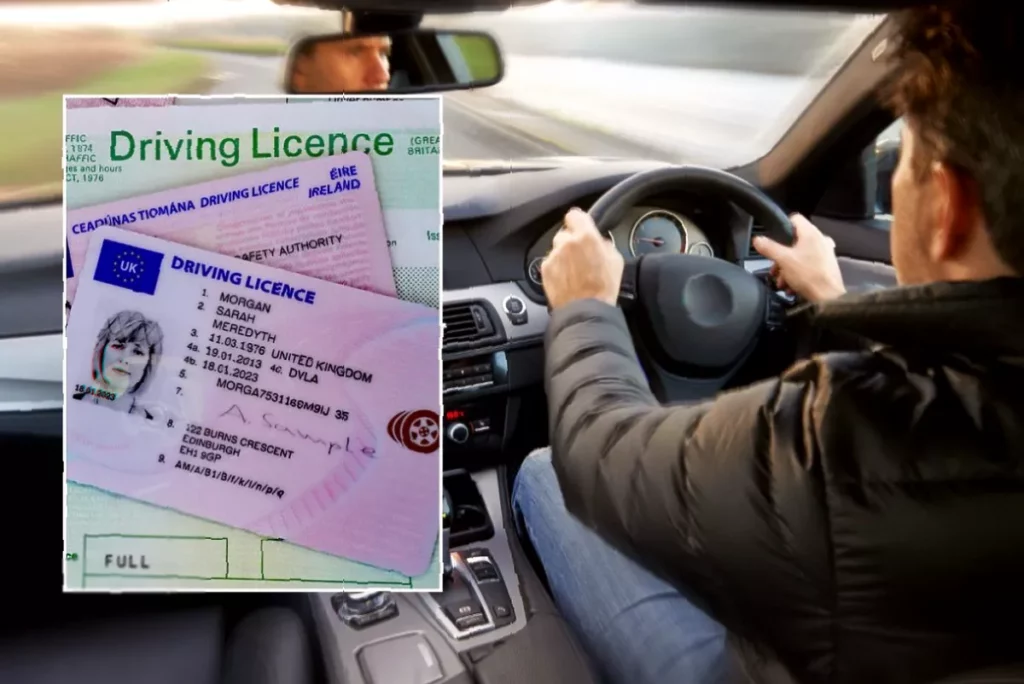
The Driver and Vehicle Licensing Agency has partnered with CustomerFirst, a unit within the Government Digital Service, to overhaul its Drivers Medical service as it braces for more than 900,000 medical notifications from motorists in the current financial year. The collaboration, formalised in January through a dedicated “NewCo” team drawn from both organisations, is designed to address growing delays, reduce uncertainty for applicants, and modernise a system that has struggled to keep pace with rising demand from an ageing population.
Partnership and the NewCo approach
The DVLA confirmed that it had joined forces with CustomerFirst to gain a deeper understanding of the Drivers Medical service and to drive changes across policy, operations, technology, and customer experience. The NewCo team is now working to improve the entire customer journey, from the moment a driver notifies the agency about a medical condition through to receiving a licensing decision. The agency stressed that any changes must keep all road users safe, and that the service must remain easy to use and trusted, given the complexity of medical licensing decisions.
The Drivers Medical service supports people through the process of determining whether they should inform the DVLA about a medical condition. It considers medical information provided by customers and healthcare professionals alongside legal standards to support all road users. The DVLA said it wanted to make the experience as smooth and joined‑up as possible for both customers and staff.
Service improvements and reducing delays
The DVLA is expecting more than 900,000 medical notifications in this financial year, a figure that is rising as people live longer and continue driving. The existing service has been under significant strain, with average waiting times for licensing decisions exceeding the target of 50 days. Some drivers have reported waits of several months, causing disruption to their independence, livelihoods and daily lives. A transport minister has apologised for service levels falling below expectations.

The agency’s transformation strategy focuses on prioritising areas of the Drivers Medical journey where delays and uncertainty have the greatest effect on customers. Test‑and‑learn activities will be launched to reduce the number of cases awaiting a licensing decision, cut waiting times and improve customer communications. Processes behind licensing decisions will also be reconsidered in order to support staff and simplify decision‑making. Once these tests are successful, the DVLA confirmed it would scale the changes and share progress openly.
A key element of the overhaul is digital transformation. A new online medical services portal was launched on 31 March, accessible through the DVLA’s Driver and Vehicles Account, allowing most customers to notify and apply online. The portal covers approximately 1,600 medical conditions and provides better tracking of applications. Further enhancements are planned for provisional licence applicants and those renewing at 70 or over later in the summer. The DVLA is also transitioning its medical services from a legacy casework system to a modern customer relationship management platform, which is expected to deliver significant improvements in turnaround times, capacity, automation and digital communication.
In addition, changes to the law now allow a broader range of healthcare professionals — including clinical nurse specialists, physiotherapists and optometrists — to complete DVLA medical questionnaires, which should help speed up the flow of third‑party information that has historically caused delays. The DVLA said it is assessing information flows between Drivers Medical, government services and third parties such as medical practitioners.
The agency’s wider transformation ambition, it said, is to move away from fragmented services towards more seamless, end‑to‑end journeys that make sense from a customer’s perspective.
Safety focus and driver responsibilities
Underpinning all the changes is a legal framework that requires drivers to notify the DVLA about any medical condition that might affect their ability to drive safely. Notifiable conditions include diabetes, glaucoma, heart conditions, sleep apnoea, epilepsy, strokes, fainting or blackouts, certain visual impairments, neurological disorders, and severe mental health conditions such as severe anxiety or depression. Drivers are also required to inform the agency if an existing condition worsens.
Failure to notify the DVLA can result in a fine of up to £1,000 and potential prosecution if an accident occurs. The DVLA’s assessment of fitness to drive is based on legislation and national medical driving standards, which may differ from a doctor’s clinical assessment. Decisions can range from allowing a driver to keep their licence, issuing a shorter‑term licence of one to five years, requiring vehicle adaptations, or revoking the licence. Drivers have the right to appeal any DVLA decision.