


The loophole: how a Brexit blind spot let a banned Polish doctor keep working in Britain
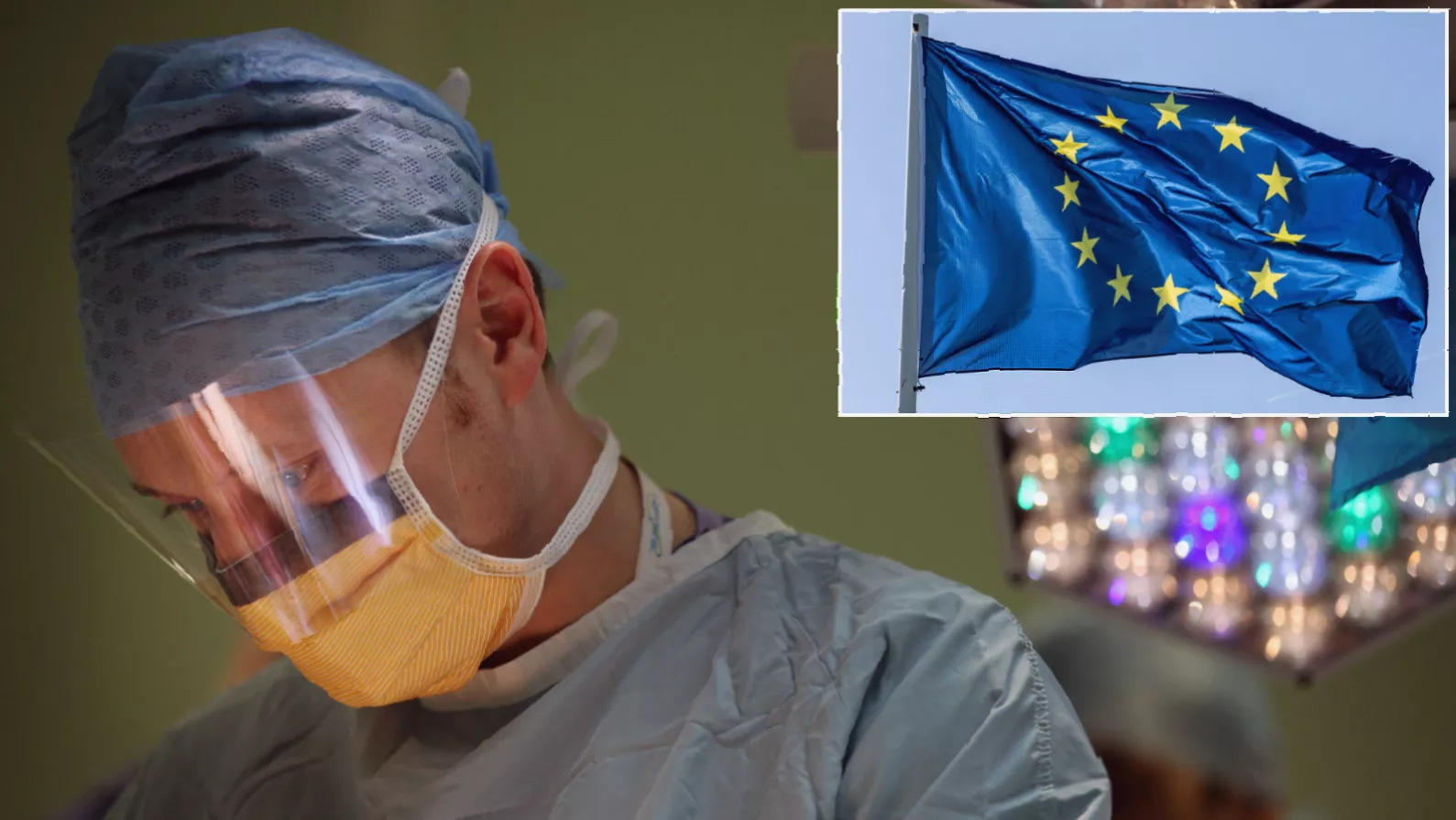
A doctor stripped of his right to practise in Poland has been allowed to work in the United Kingdom because of a loophole created by Brexit. The UK’s exit from the European Union means the General Medical Council (GMC) no longer receives automatic alerts about doctors who have been struck off or sanctioned by regulators in EU member states — warnings that were once routine through the bloc’s Internal Market Information (IMI) system.
William Okanga-Ajwang, 64, had his licence to practise removed by the Poznan Chamber of Physicians in January 2021. A notification of that decision was circulated through the IMI system, which shares details of medical wrongdoing among the EU’s 27 member states. But because the UK is no longer part of that information-sharing platform, the GMC never received it.
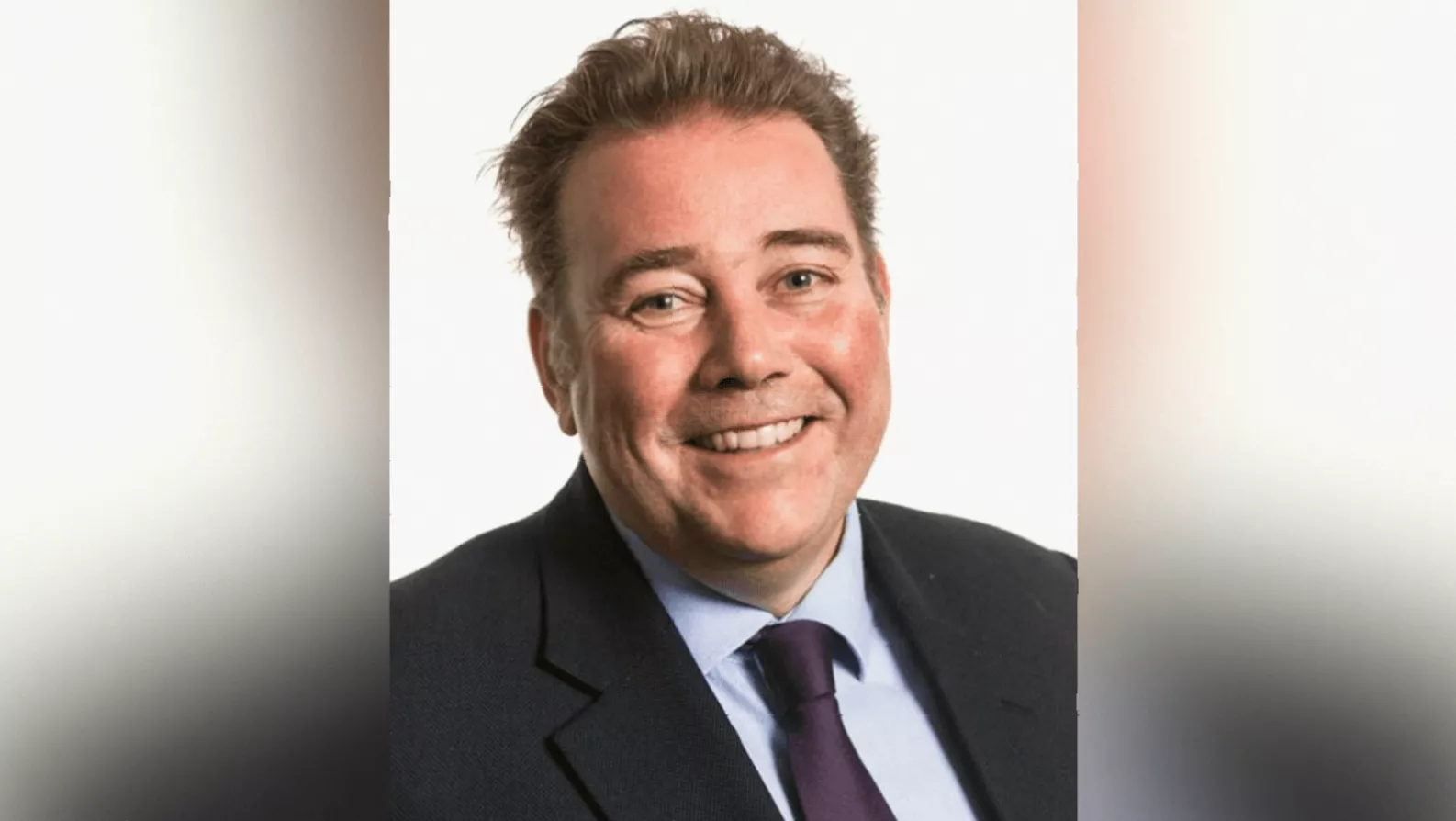
The IMI system was designed to give national medical regulators a quick and reliable way to exchange disciplinary records. Before Brexit, the GMC was a frequent user, reflecting the large number of doctors it employs from EU member states. Since leaving the bloc, the UK has been excluded from the system. An EU spokeswoman confirmed that authorities from the UK and other non-EU countries are no longer able to access the internal database. Yet the UK continues to share disciplinary data with European regulators, receiving nothing in return — a one-way flow that Greg Stafford, the Conservative MP for Farnham and Bordon, has described as “hard to justify and harder still to defend.”
The case of William Okanga-Ajwang
It is not yet known why Mr Okanga-Ajwang was struck off in Poland. He later claimed the action was due to unpaid licence fees. When the GMC asked the Polish medical regulator to verify this explanation, it refused to disclose the reason. The GMC has acknowledged that losing access to EU information-sharing systems after Brexit has made it significantly more difficult to build a full picture of a doctor’s background before granting UK registration.
The case is not an isolated one. An investigation by The Times, published in October 2025, identified more than 100 doctors who had been banned from practising in one country but were able to work in the UK. Among them, 22 doctors had faced discipline or restrictions overseas but had no record of it on their GMC licences. Following that investigation, 11 doctors were suspended from working in the UK and two were struck off. Another IMI warning mentioned by the GMC relates to a doctor who was struck off in France yet was able to keep his licence to practise in Britain.
Broader failures in medical regulation
The GMC has adopted what critics describe as a more relaxed approach to overseas-qualified physicians than its European counterparts. It allows doctors to register in the UK even when they declare previous malpractice. In one case, a doctor who initially failed to declare a suspension over sexual harassment in the workplace was later granted a UK licence on a second attempt. In another, two doctors were given licences despite having examination misconduct on their records and a sanction over a missed diagnosis.
The GMC has also disclosed that some doctors who have committed wrongdoing are able to revoke their own licence through a process known as voluntary erasure. This means any misconduct is effectively swept under the carpet and is not made public. Since 2021, 179 doctors have stepped down from medical practice due to competence concerns. Of those who applied for voluntary erasure, 119 were related to integrity issues, 34 to inappropriate relationships with patients, 18 to having a criminal record and 17 to prejudicial behaviour. Voluntary erasure is a cheaper option for the GMC, avoiding the lengthier and more expensive process of an official strike-off. However, the process allows doctors to continue practising abroad, particularly if they already hold a licence in another country.
The Professional Standards Authority, which oversees UK healthcare regulators, has expressed “serious concerns” about the allegations and said it expects regulators to have robust systems for identifying and acting on disciplinary history — including from outside the UK. It is reviewing the GMC’s actions and will contact other health and social care regulators.
Political and regulatory response
Nadine Dorries, the former health minister and a prominent Brexiteer, said the issue “should not be political” and accused the GMC of “burying its head in the sand.” She told GB News: “In my experience as a former nurse and minister in the Department of Health, I know what it means to trust the person treating you. The EU is withholding information about dangerous doctors and letting them waltz into the NHS – that is punishment. Patients in this country have no idea the doctor standing over them may have been struck off in Europe. This concerns people’s health, it should not be political. The GMC cannot keep burying its head in the sand over this.”

The GMC’s chief executive, Charlie Massey, was grilled by the Health Select Committee over the organisation’s inability to remove doctors from practising. When he described the issue as “complex,” Greg Stafford MP retorted: “I do accept this is difficult stuff, but The Times managed it. If they can manage it, it shouldn’t be beyond the wit of the medical regulator to manage it.” Freedom of information requests since the initial investigation have shown that the GMC and the EU have had no correspondence relating to the sharing of medical malpractice data. Stafford added: “I have been raising this issue with both the government and the regulator for some time, yet there remains no adequate response or plan to restore access to EU disciplinary warnings shared through the Internal Market Information system. That gap matters. It goes directly to patient safety. There is now clear evidence that doctors who have been struck off or sanctioned overseas have been able to obtain or retain UK registration because critical information was not shared. The UK continues to provide disciplinary data to European regulators, while receiving nothing in return. That imbalance is hard to justify and harder still to defend. Labour needs to get a grip on this issue. Where a straightforward fix exists to close a known loophole in medical regulation, it should not be left unresolved.”
Health Secretary Wes Streeting has ordered an urgent review of vetting procedures for foreign-qualified doctors, describing The Times’s findings as “horrific” and a “serious failure in our medical regulatory systems.” The Department of Health and Social Care said while overseas-trained doctors play a vital role in the NHS, the public rightly expects every practising doctor to meet the highest standards of conduct. It described the allegations as deeply concerning and stressed there is a greater need for robust regulatory systems. The department added that it is working with EU counterparts to strengthen data-sharing on misconduct and malpractice. The GMC said patient safety “does not stop at international borders” and that it carefully reviews any concerns flagged by overseas regulators before it decides whether a doctor can join or stay on the UK medical register. It acknowledged that losing access to EU information-sharing systems after Brexit has made it more difficult to build a full picture of a doctor’s background. An EU spokeswoman confirmed that authorities from the UK and other non-EU countries are excluded from the bloc’s internal system for sharing information on doctors.