

A 99p alcoholic shot being peddled from an ice-cream van dubbed the “99 Liquor Whip” has been condemned by health charities as a deliberate attempt to hook underage drinkers, with sweet flavours, TikTok-style branding and rock-bottom pricing all deployed to make the product irresistible to children.
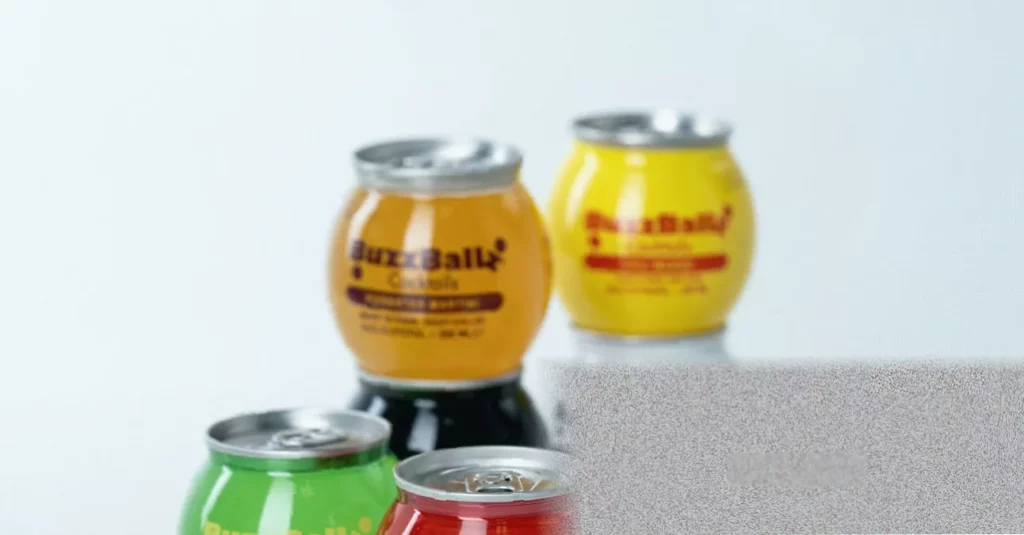
The drink, simply called ‘99’, is the latest offering from the Sazerac Company, the spirits giant behind the brightly coloured BuzzBallz cocktails and Fireball Whisky. Its launch includes a nostalgia-themed activation that sees the ice-cream van tour university campuses this month, serving 50ml shots at 99p each. Alcohol charities say the combination of cheap price, childish presentation and campus targeting is a flagrant breach of the spirit of marketing rules designed to protect young people.
Charities warn of “blatant tactics”
Jem Roberts, head of external affairs at the Institute of Alcohol Studies, said the product “looks like a product entirely designed to appeal to children while hiding behind a thin ‘nostalgia’ label”. He added: “Sweet flavours, TikTok-style branding, and even an ice-cream van – it’s hardly subtle.” Roberts noted that cheap prices and heavy marketing are two of the biggest drivers of alcohol harm, and that a 99p shot promoted as fun and shareable “combines both”. While youth drinking has declined overall, he pointed out that the UK still records some of the highest levels of heavy episodic drinking among young people in Europe. “This is not a problem we’ve solved,” he said.
Joe Marley, executive director at Alcohol Change UK, described the company’s approach as “blatant tactics” that will “first reach students on campus”. He accused Sazerac of having “a track record of going further than others when creating and marketing strong alcohol that tastes like sweets for pocket money prices, using playful approaches, bright colours and cultural trends to embed alcohol in young people’s lives”. Marley also warned that the campaign could extend beyond university grounds, with “colourful advertisements in high footfall public spaces such as bus stops and high streets” that risk appealing to children and young people. “Evidence is clear that price, particularly during a cost-of-living crisis, paired with clever and unapologetic marketing has a big effect on drinking habits while shaping attitudes toward and normalising alcohol,” he said.
Marketing strategy under scrutiny
The ‘99’ brand is explicitly targeting students aged 18 to 21 in the UK, but critics argue the tactics used are indistinguishable from those aimed at a far younger audience. The product itself – available in Apple, Blue Raspberry and Cherry flavours – is 15% ABV and sold in 50ml shots for 99p, or as a 700ml bottle for £10.99. The marketing centres on an ice-cream van called the “99 Liquor Whip”, which offers “unapologetically fun flavour experiences”.
Charities point to a series of elements that they say violate the spirit of the Portman Group’s code of practice, which states that a drink, its packaging or promotion must not have a “particular appeal to under-18s”. The code explicitly warns against cartoon-style imagery, childish fonts, bright colouring and terminology popular with children. Yet the ‘99’ launch leans heavily on exactly those motifs: the ice-cream van concept, the sweet-fruit flavour range, the TikTok-friendly branding and the bright, playful aesthetic. A 2025 audit by the Portman Group itself found that the biggest number of breaches of the code related to designs having “particular appeal to under-18s”.
Critics also highlight that BuzzBallz – which Sazerac acquired in 2024 – already enjoyed a strong following among younger drinkers and on social media, particularly TikTok, where users post tasting videos and cocktail hacks. The brand first launched in the UK in June 2022, initially targeting 25- to 40-year-olds with 13.5% ABV drinks priced at £3.50 each. Fireball Whisky, also owned by Sazerac, has engaged in marketing campaigns targeting younger adult demographics through partnerships with sports and digital media platforms. The use of nostalgia in alcohol marketing is a growing trend in the UK – the Portman Group has previously flagged that some brands have fallen foul of rules when invoking 90s and early-2000s culture, as ‘99’ does.
The campaign also comes against a backdrop of concerning youth drinking data. Between 2016 and 2019, the prevalence of heavy episodic drinking in the UK rose from 29.8% to 33.6%. In 2019, heavy episodic drinking among women aged 15 and over increased from 13.8% to 21.7%. While a 2023 survey found that 25% of 18- to 24-year-olds are now teetotal, a 2023 report indicated that 44% of pupils aged 11 to 15 in England had ever drunk alcohol – down from 59% in 2009 but still representing a significant exposure. In 2022, just under one-third (31%) of pupils in school years 8 to 12 reported ever having an alcoholic drink.
Company insists on adult-only focus
The Sazerac Company rejects the accusations, stating that it takes “concerns around underage drinking seriously, which is why all activity is governed by strict UK alcohol marketing, retail and age-verification standards”. It argues that “price alone does not determine whether a product appeals to minors; responsible marketing, clear adult targeting, and robust retail compliance are the critical factors”.
According to Sazerac, the ‘99’ product is designed “as a clearly adult-only alcohol activation, centred around flavoured spirit shots, nightlife occasions and legal-age consumers”. The company maintains that the creative approach “reflects well-established nostalgia trends commonly used to engage adult consumers, particularly those of legal drinking age who identify with 90s and early-2000s culture”. The brand itself has existed in the United States since 1997.
Sazerac also pointed to the existence of other adult-only alcohol-infused ice-cream van concepts in the UK – such as the Warner Leisure Hotels van that served flavours like “IcePA” and “Jäger Bombe” and required ID for service – as evidence that the format can be operated responsibly.
Yet charities and campaigners argue that the UK’s self-regulatory framework is insufficient. Research has suggested that regulation to protect children from alcohol marketing is inadequate, with advertisers increasingly using online marketing and sponsorships not fully covered by existing rules. The Portman Group’s complaints-led system has been criticised for failing to act quickly enough, and Roberts called for better regulation, noting that while rules state products should not particularly appeal to children, “examples like this keep appearing”. The Portman Group’s own 2025 audit confirmed that the most frequent breaches of its code involved designs that had “particular appeal to under-18s”.