

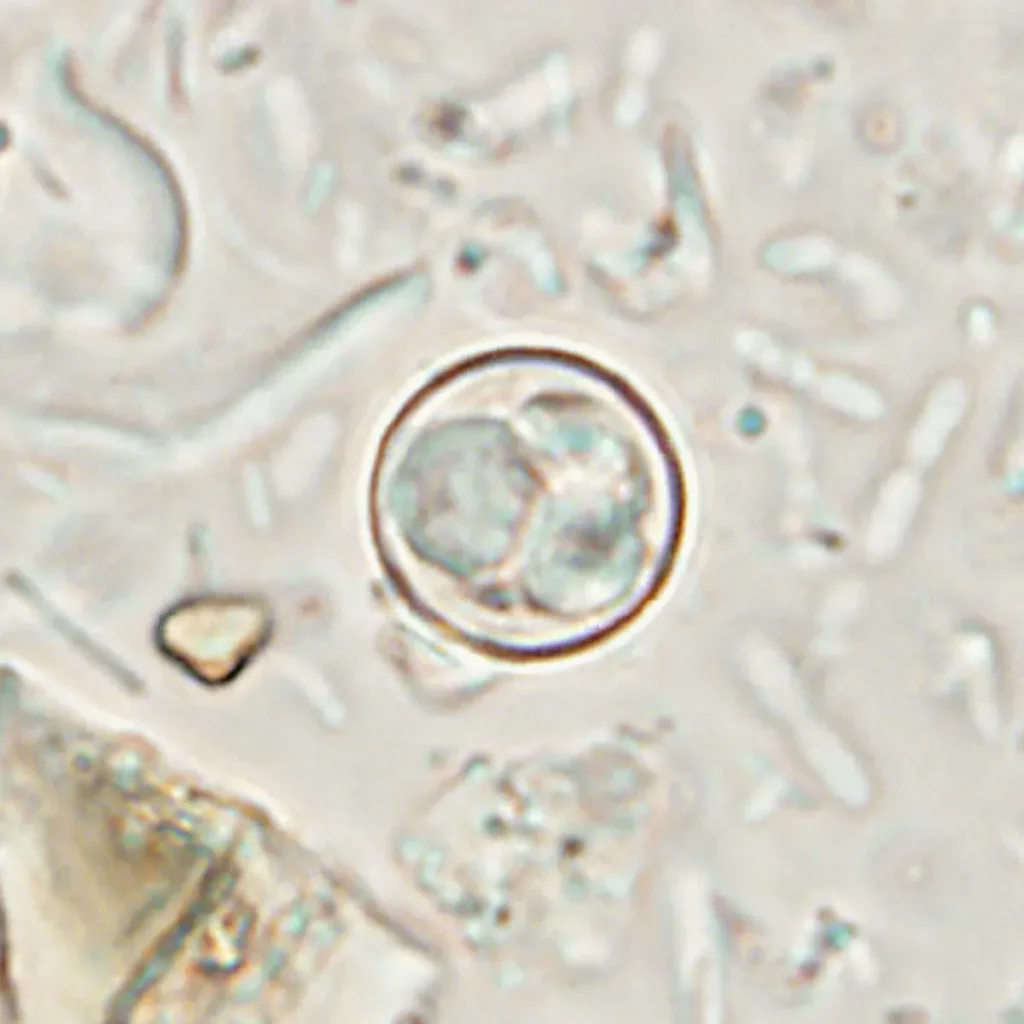
Over 140 people in the United States have contracted a nasty parasite causing watery diarrhea, according to the Centers for Disease Control and Prevention (CDC). The agency confirmed 145 cases of cyclosporiasis, caused by the microscopic parasite Cyclospora cayetanensis, recorded between 1 May and 16 June this year. Of those infected, 20 have been hospitalised, representing a hospitalisation rate of 14 per cent. No deaths have been reported.
The infections span 17 states, with New York reporting the highest concentration — between 31 and 80 cases. Illinois and Texas each have between 11 and 30 cases, while the remaining states — Alaska, Colorado, Connecticut, Florida, Georgia, Louisiana, Massachusetts, New Jersey, North Carolina, Ohio, Pennsylvania, Tennessee, Virginia and Wisconsin — have all reported between one and 10 cases. The age of patients ranges from five to 86 years, with a median age of 42, and 61 per cent of those infected are female. The median illness onset date was 13 May.
How the parasite makes you ill
The hallmark symptom of cyclosporiasis is watery, and sometimes explosive, diarrhea. According to the CDC, additional common symptoms include loss of appetite, weight loss, abdominal cramping, bloating, increased gas, nausea and fatigue. Less common side effects can involve vomiting, body aches, headache, low-grade fever and other flu-like symptoms. Symptoms typically begin about seven days after infection — though the incubation period can range from two to 14 days — and may last anywhere from several days to a month or more. In some cases, the illness can recur. While healthy individuals often recover without treatment, the infection can be more severe or prolonged in immunocompromised people, children and the elderly.
The parasite is transmitted through the ingestion of food or water contaminated with human feces. Crucially, Cyclospora oocysts — the parasite’s egg-like stage — require one to two weeks to mature in the environment outside the body before they become infectious. This makes direct person-to-person transmission highly unlikely. In the current outbreak, none of the patients had recently travelled outside the United States, leading health authorities to suspect a domestic food source.
Investigation into the source
Local, state and federal agencies — including the CDC and the Food and Drug Administration (FDA) — are investigating several clusters of cases across multiple states. “Investigations to identify potential sources are ongoing,” the CDC said in its public update. The specific food responsible for this outbreak has not yet been identified, a challenge that reflects the difficulty of tracing foodborne parasites. Historically, cyclosporiasis outbreaks in the US and other non-endemic regions have been strongly linked to fresh produce such as berries (raspberries, blackberries, blueberries), herbs (basil, cilantro), leafy greens and salad mixes, snow peas, green onions, carrots, mangos and pre-packaged vegetable trays. Past notable outbreaks include a large multistate event in 1996 traced to Guatemalan raspberries, and more recent US outbreaks in 2020 and 2023 linked to salad mixes and other produce items.
Because Cyclospora is a nationally notifiable disease, healthcare providers are required by law to report any confirmed case to federal authorities. This surveillance system helps detect and respond to outbreaks quickly. The CDC notes that cases typically rise during the spring and summer months, designating 1 May through 31 August as cyclosporiasis season. In addition to the domestically acquired cases, the CDC reported 45 travel-associated cases as of 16 June — infections linked to food or water consumed abroad — among which three people were hospitalised and none died.
Treatment and prevention
Diagnosis is made through stool specimen testing. The standard treatment is a course of the antibiotic trimethoprim-sulfamethoxazole (TMP-SMX), also known under brand names such as Bactrim or Septra. Alternative treatments exist for patients with sulfa drug allergies or compromised immune systems. Antidiarrheal medications and adequate hydration are also recommended. While the infection may resolve on its own without antibiotics, symptoms can be debilitating and prolonged.
Public health officials stress that prevention relies on rigorous hygiene: thorough handwashing with soap and water before and after handling food, and after using the bathroom. Washing all fruits and vegetables under running water — and scrubbing firm produce such as melons and cucumbers with a clean brush — can reduce the risk, though it may not eliminate it entirely. Avoiding untreated water and practising safe food handling are also key. The FDA has established a Cyclospora Task Force to address the growing public health burden, focusing on prevention, response and research. In the UK, where Cyclospora is rare, significant outbreaks have typically been linked to travel to Mexico or imported produce, according to health records. The current US outbreak, with no travel history reported among patients, underscores the parasite’s ability to contaminate domestic food supplies.