


Two in five NHS staff encounter patients sharing false supplement claims at least once a week, according to a YouGov survey commissioned by the World Cancer Research Fund (WCRF). The poll of nearly 900 health workers highlights a growing crisis in which misinformation about supplements, often originating on social media, is diverting cancer patients away from evidence-based treatments and consuming valuable consultation time.
Staff concerns and the scale of the problem
The survey found that among nurses and midwives the figure rises to 53 per cent who report patients raising inaccurate or misleading information about supplements on a weekly basis. Many frontline clinicians say they lack the tools to challenge patients’ beliefs in unproven therapies such as detox diets, and that correcting these falsehoods has become a routine but time-consuming part of their work. The WCRF’s UK director, Steven Greenberg, said the information surrounding supplements is often “distorted” and “taken out of context or presented in a way that hides the risks”. He told The Guardian: “We are hearing from patients, nurses, GPs and oncology dietitians that this is pulling people away from the evidence-based changes to diet and lifestyle that can genuinely make a difference, while eating up precious time in NHS consultations.”
The problem is amplified by social media algorithms, which prioritise engagement over scientific accuracy. While many UK adults feel confident finding trustworthy health information online, those who primarily use social media are more likely to believe inaccurate cancer-prevention claims. GP Dr Philippa Kaye has observed patients arriving with information from platforms such as TikTok and wellness websites, and noted a common misconception that “natural” or over-the-counter products are automatically safe. Campaigner Sharron Moffatt, who became an advocate against unfounded health claims after her own cancer diagnosis, has also highlighted the emotional weight of suggestions from loved ones who share convincing but dangerous content.
The specific dangers of apricot kernels
Among the most dangerous products promoted online are raw apricot kernels, which contain the natural compound amygdalin. When consumed, amygdalin converts to cyanide in the human digestive tract. Symptoms of cyanide poisoning range from nausea, fever, headaches, insomnia, thirst, lethargy, nervousness and muscle aches to difficulty breathing, cyanosis, weakness, lightheadedness, coma, seizures, cardiac arrhythmias, cardiovascular collapse and, in extreme cases, death. A lethal dose can rapidly lead to severe hypotension, apnea and seizures.
Health Canada has established a maximum level of 20 parts per million total extractable cyanide in apricot kernels sold as food. The US Food and Drug Administration has warned consumers to stop using and dispose of products containing high levels of amygdalin. The European Food Safety Authority recommends a maximum daily intake of one to three kernels for adults, while guidelines in Australia and New Zealand advise no more than two kernels per day. Chronic consumption of apricot kernels can lead to impaired eyesight, deafness, loss of balance and nerve dysfunction, and there are reports of chronic cyanide toxicity from long-term use of apricot kernel extract presenting with hypoxia. Crucially, ingestion of amygdalin alongside foods containing beta-glucuronidase — such as bean sprouts, peaches, celery and carrots — or concurrent intake with high doses of vitamin C can increase the conversion of amygdalin to cyanide, raising the risk of poisoning.
Turmeric and other supplement risks
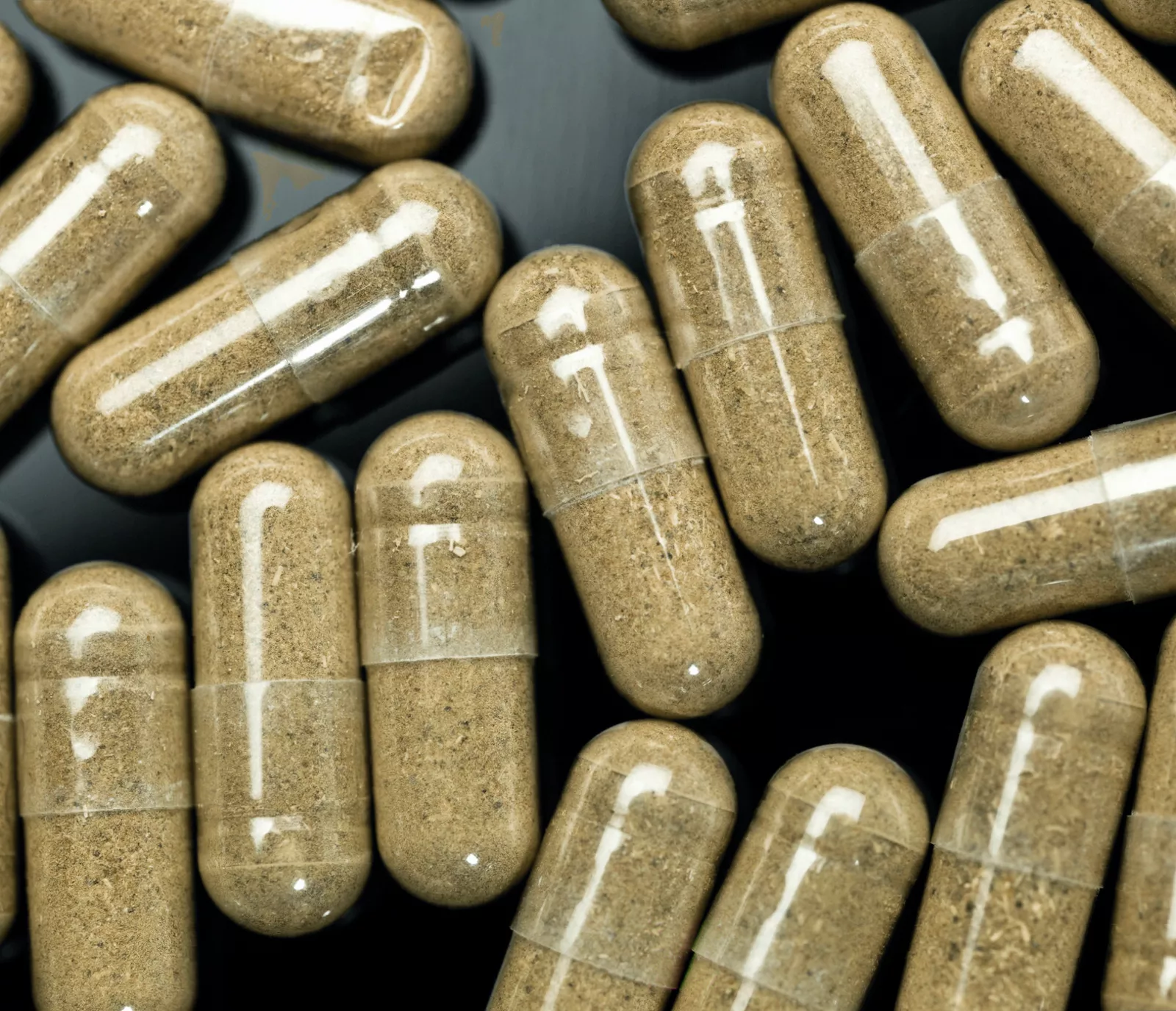
Turmeric supplements, widely promoted for their anti-inflammatory properties, have also been linked to serious harm. Several case studies associate them with liver injury (hepatotoxicity), often described as “idiosyncratic” — rare and unpredictable reactions tied to an individual’s genetic makeup. While turmeric and curcumin are generally considered safe when used as a food spice, supplements may contain synthetic forms or formulations designed to increase absorption, potentially altering their toxicity. In some instances, liver damage has occurred even at levels below the Acceptable Daily Intake.
Other supplements carry their own risks. Excessive intake of magnesium can cause gastrointestinal issues such as diarrhoea, loose stools, nausea and stomach cramps due to its osmotic laxative effect. In very rare cases, extremely high doses or impaired kidney function can lead to hypermagnesaemia, with symptoms including muscle weakness, low blood pressure, irregular heartbeat and respiratory distress. Horse wormers containing ivermectin have been promoted with false health claims, and St John’s Wort is another supplement where misinformation is common, though specific risks were not detailed in the survey. The WCRF notes that misinformation about everyday items such as sugar and vitamin C is also widespread on social media.
WCRF’s call for action
The WCRF is now calling on ministers to include misinformation training in the forthcoming long-term workforce plan for the NHS. The charity also advocates equipping frontline staff with evidence-based knowledge and access to trustworthy resources, as well as public education campaigns to help people recognise dangerous claims. It expects social media platforms to act swiftly against misleading health content. With approximately 40 per cent of cancer cases in the UK preventable through modifiable lifestyle factors, the WCRF warns that supplement misinformation is undermining the potential of evidence-based diet and lifestyle changes. The organisation stresses that consumers should always consult a qualified healthcare professional before taking any supplement, and that “natural” does not mean safe.