

Eight nations, including the United States, voted against a United Nations political declaration on HIV/AIDS this week, breaking a two-decade tradition of unanimous adoption and exposing deepening fissures over human rights, intellectual property, and the future of global health cooperation.
The declaration, endorsed by 149 UN member states at a high-level meeting in New York on June 23, 2026, is intended to reaffirm international commitments to ending AIDS as a public health threat by 2030. But for the first time in more than 20 years, it failed to secure consensus. The United States was joined in opposition by Russia, Israel, Burkina Faso, Burundi, North Korea, Niger, and Saudi Arabia. Fourteen other countries abstained.
The lack of agreement came as international aid funding cuts are already squeezing HIV prevention and testing programmes in some of the world’s worst-affected countries — and as modelling studies warn that reduced donor support could undo decades of hard-won progress.
US objections: ‘divisive topics’ and the battle over language
The United States said it opposed the declaration because it included “divisive topics” beyond the internationally agreed HIV targets. Specifically, Washington objected to references to sexual and reproductive health and rights (SRHR), as well as language on intellectual property and technology transfer.
The US position on SRHR has been a recurring flashpoint in multilateral negotiations. In this case, American officials argued that including such language went beyond the scope of HIV-specific commitments. The European Union, however, took the opposite view. In a statement delivered after the vote by Cyprus on behalf of the EU and its member states, the bloc said it “deeply regret that the overall balance and ambition of the text that we have adopted is weaker” compared with the previous declaration in 2021. The EU explicitly supported the inclusion of terms such as “sexual and reproductive health services” and “gender-based violence.”
The intellectual property clause proved equally contentious. The text encouraged technology transfer to enable countries to produce their own HIV treatments. The US insisted on “voluntary and mutually agreed terms” for any such transfer. Malawi, speaking on behalf of the Africa Group, proposed an amendment to remove the phrase “mutually agreed terms,” arguing it acted as a barrier to accessing affordable medicines. Switzerland and Canada dissociated themselves from the paragraphs where the phrase was deleted.
Russia also raised objections, citing “unacceptable provisions linked to intervention in domestic affairs” and criticising language on harm reduction programmes and gender-related issues. Moscow specifically opposed the inclusion of “key populations” — groups most at risk of HIV, such as sex workers, gay men, young women, prisoners, and people who inject drugs — which it deemed politically sensitive. The EU, by contrast, supported the inclusion of key populations in the text, noting they face disproportionate stigma and discrimination.
The 2021 political declaration, adopted by 165 votes to 4, had already committed to addressing restrictive laws, stigma, and human rights violations, and reaffirmed the 95-95-95 targets: that by 2025, 95% of people with HIV should know their status, 95% of those diagnosed should receive antiretroviral treatment, and 95% of those treated should achieve viral suppression. The current declaration reaffirms those targets, but the split vote signals that political consensus on how to reach them is fracturing.
Funding cuts: the cost of broken commitments
The vote comes at a moment when the global HIV response is already under severe financial strain. Modelling published in The Lancet HIV projects that reduced international funding could lead to an additional 4.4 million to 10.8 million new HIV infections globally by 2030, and between 770,000 and 2.9 million additional HIV-related deaths — a reversal to infection and death rates not seen since the early 2000s.
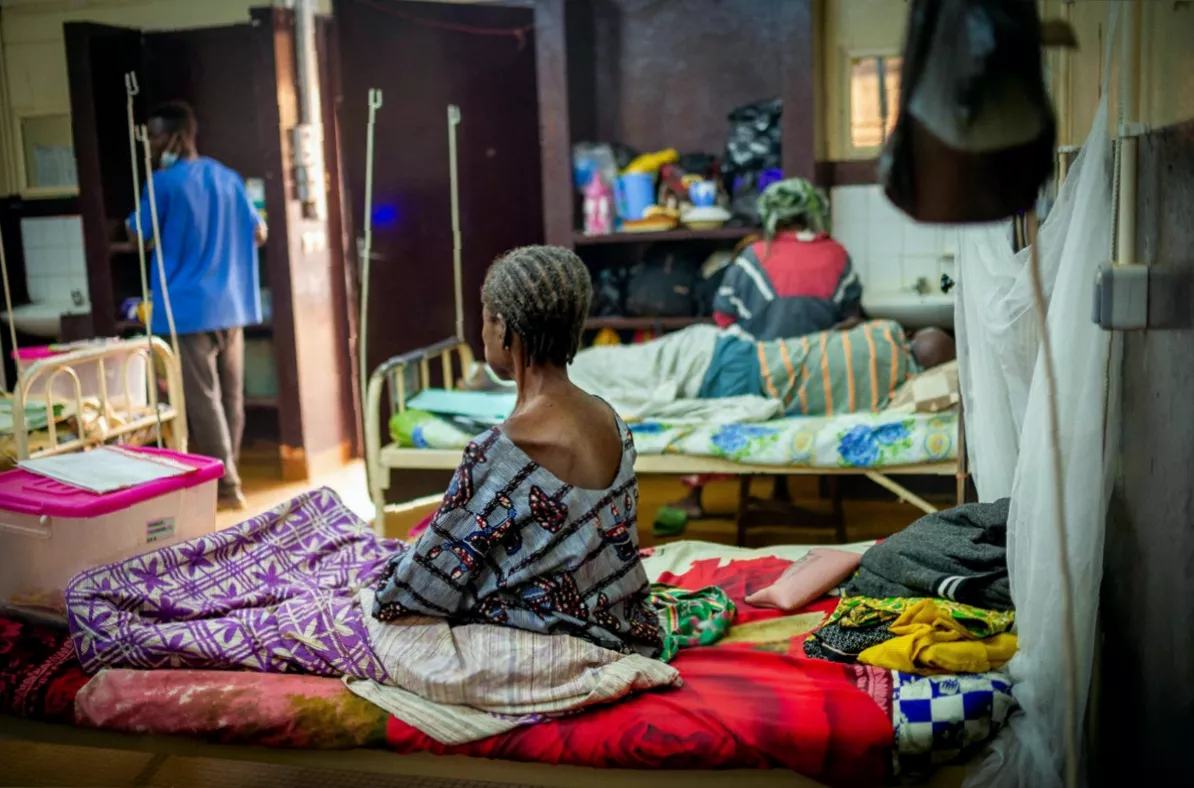
The US government’s pause and subsequent phased drawdown of foreign assistance, particularly through the President’s Emergency Plan for AIDS Relief (PEPFAR), has already caused widespread disruption. A survey indicated that almost half of HIV clinics and programmes across 32 countries reported service disruptions after the US froze foreign assistance in January 2025. Modelling suggests these PEPFAR funding disruptions may have already caused over 120,000 deaths by November 2025.
Clinics in countries including South Africa, Zimbabwe, and Haiti have been forced to reduce testing and halt the distribution of free prevention medication. This week, the head of UNAIDS warned that a US decision to withdraw all of its HIV and AIDS funding from South Africa is likely to cost lives and reverse progress. US officials told the BBC that the cut was partly in response to South Africa’s alleged failure to protect the white-minority Afrikaner community. While South Africa’s Department of Health says it is prepared for the withdrawal — noting the state budget already funds vital medicines — PEPFAR has been a significant contributor to prevention programmes and health worker support. Although the country does not rely on US funding for HIV drugs, the loss of support for prevention infrastructure is substantial.
The UK’s own aid cuts have compounded the pressure. The government reduced its Official Development Assistance from 0.7% to 0.5% of gross national income, and UNAIDS reported that a significant cut in UK funding — from £15 million to £2.5 million in 2021 — affected life-saving HIV prevention and treatment services globally.
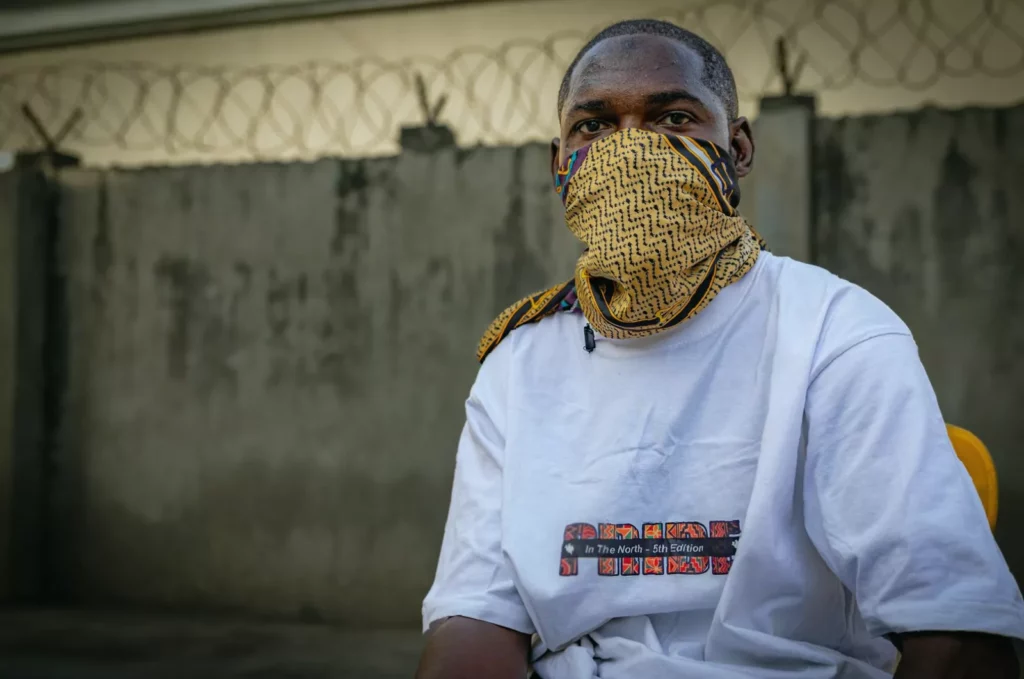
The Trump administration has meanwhile targeted the LGBTQ+ community, instituting anti-transgender policies and issuing executive orders defining sex as strictly male or female at birth. Earlier this year, The Independent reported on “kito” attacks in Nigeria, in which LGBTQ+ people are lured, kidnapped and extorted, with victims sometimes having their HIV status exposed during the attacks. The practice deepens stigma and puts those living with HIV at further risk of isolation and loss of access to care.
PEPFAR, launched in 2003, has been instrumental in saving millions of lives and averting millions of new HIV infections across Africa. The current declaration was meant to build on that legacy. Instead, the vote and the funding environment may signal a turning point in the trajectory of the global HIV response.
This article has been produced as part of The Independent’s Rethinking Global Aid project.