

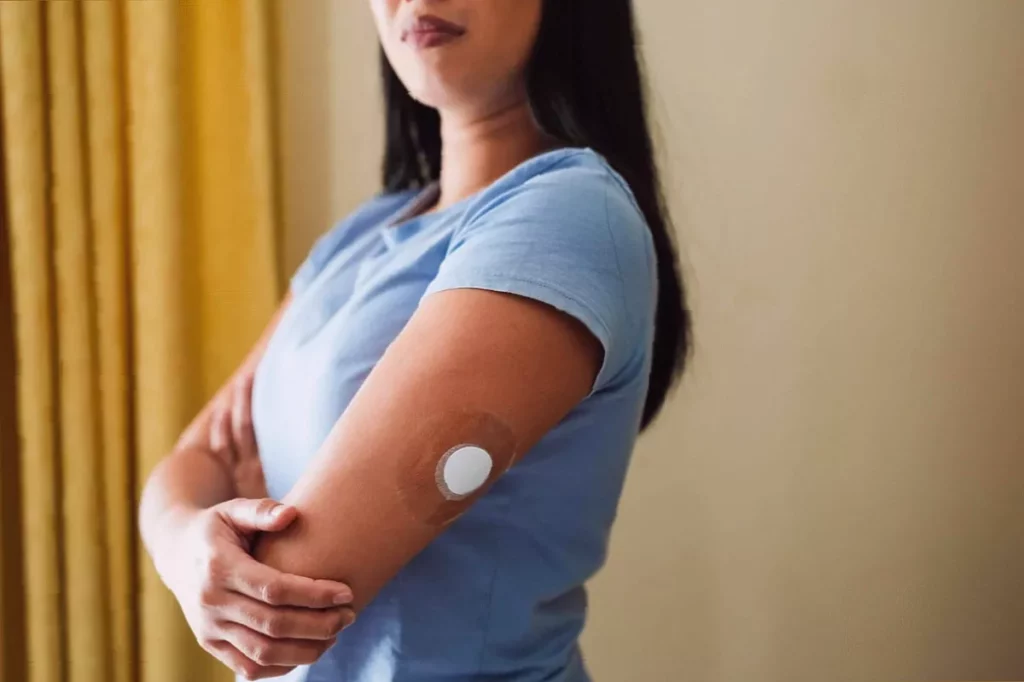
“I’m surprised that I never had follow-up HbA1c checks, particularly as I’m considered high risk for type 2 diabetes, not only because of the gestational diabetes, but also because I have polyendocrine metabolic ovarian syndrome and family members with type 2 diabetes.”
The woman’s experience, shared with researchers, highlights a systemic failure that Diabetes UK has described as a “wake-up call”. New figures show that type 2 diabetes diagnoses in women under 40 are rising at twice the rate seen in older women — a surge that experts say is partly driven by inadequate postnatal care for those who had gestational diabetes during pregnancy.
Between 2017/18 and 2023/24, the number of women under 40 diagnosed with type 2 diabetes rose by 47%, compared with a 22% increase among women aged 40 to 79. The trend is even steeper in the youngest age group: diagnoses among people under 25 increased by 54% between 2016 and 2023. In England alone, more than 152,000 adults aged 19 to 39 now have diagnosed type 2 diabetes, and among this age group the prevalence is slightly higher in females (0.86%) than in males (0.79%) — a reversal of the usual pattern seen across the wider adult population.
Why HbA1c checks matter for high-risk women
The patient’s surprise centres on the absence of follow-up HbA1c tests, a simple blood test that measures average blood sugar levels over the previous two to three months. For women who have had gestational diabetes — which affects between 10% and 20% of pregnant women — regular HbA1c screening is the cornerstone of prevention.
Although gestational diabetes usually resolves after birth, it dramatically increases the risk of developing full type 2 diabetes later. Research shows that 11% of women who have had gestational diabetes develop prediabetes within a year, and 15% go on to develop type 2 diabetes within ten years. Over a longer horizon, up to one in two women with a history of gestational diabetes will develop type 2 diabetes within five to ten years of giving birth.
NHS guidelines recommend that women with gestational diabetes should receive an HbA1c test between six and thirteen weeks after birth, and annually thereafter. Yet the first annual gestational diabetes audit in England found that only 57% of women with a history of gestational diabetes had been offered an annual HbA1c test. Even fewer — just 4.5% — had been referred to the NHS Diabetes Prevention Programme, a structured lifestyle intervention that can help delay or prevent the onset of type 2 diabetes.
“Pregnancy shouldn’t be a pathway to ill health,” Diabetes UK has said, urging the health service to close the gap in postnatal follow-up.
Multiple risk factors in combination
The patient in question is considered high risk for multiple reasons, all of which are well documented by medical data. Her history of gestational diabetes is one factor. But she also has polyendocrine metabolic ovarian syndrome — a condition previously known as polycystic ovary syndrome, renamed by a global consensus panel to better reflect its hormonal and metabolic complexity. Women with PMOS are more likely to experience insulin resistance, a key precursor to type 2 diabetes. The briefing notes that such women face a significantly elevated risk of metabolic disorders including type 2 diabetes.
In addition, the patient has close family members with type 2 diabetes, another established risk factor. Family history, ethnicity (people of South Asian, Chinese, African-Caribbean or Black African descent are at higher risk), overweight and obesity, a sedentary lifestyle, high blood pressure, high cholesterol, smoking, and certain mental health conditions all contribute to an individual’s overall risk profile.
The combination of gestational diabetes, PMOS and family history places the patient in a category that requires particularly vigilant monitoring — yet that monitoring, she says, never materialised.
The implications of missed prevention
The consequences of failing to offer regular HbA1c tests to high-risk women extend beyond individual cases. Type 2 diabetes diagnosed at a younger age tends to be more aggressive, leading to more severe and acute effects, and carries a higher lifetime risk of complications such as cardiovascular disease, kidney disease, eye problems and premature death. The rapid rise in diagnoses among women under 40 — and the steeper increase among under-25s, where women now outnumber men — suggests a generation is being exposed to these risks earlier.
Deprivation compounds the problem: poorer access to healthy food, lower physical activity levels and reduced healthcare engagement mean that socioeconomic factors are strongly linked to type 2 diabetes risk. Diabetes UK has called for better age- and gender-appropriate care, arguing that current interactions with healthcare professionals are often perceived by younger women as unhelpful.
The patient’s own words capture the human cost of a system that, despite clear guidelines, is still missing too many high-risk women. “I’m surprised that I never had follow-up HbA1c checks,” she said — a surprise that experts say should not have to be possible.