

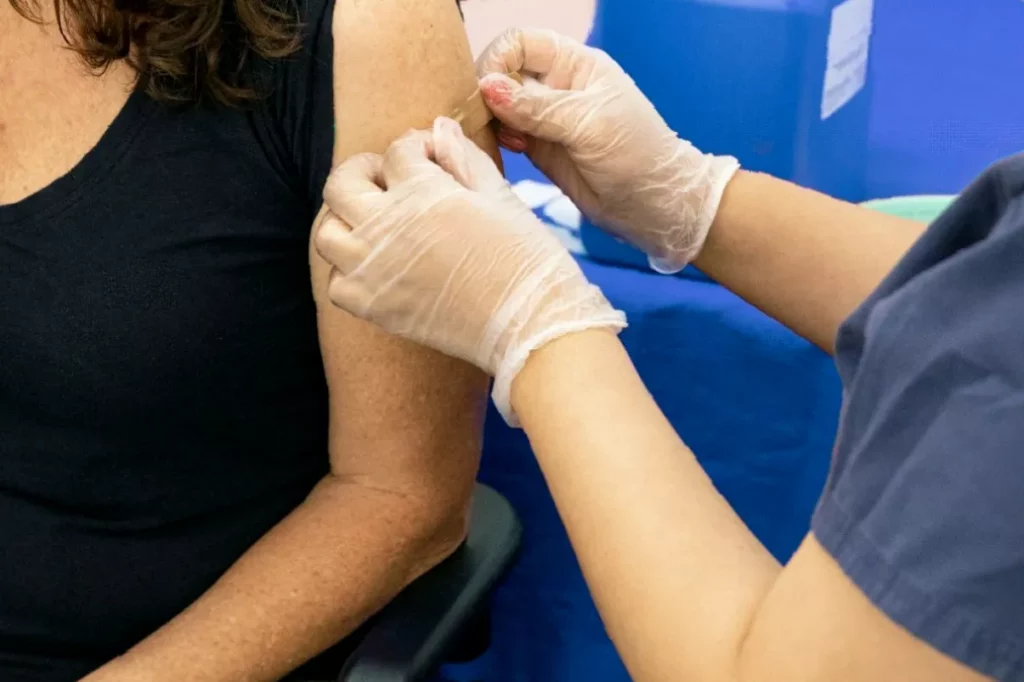
The NHS is to widen its respiratory syncytial virus (RSV) vaccination programme from September 2026, offering the free jab to adults aged 65 to 74 who have chronic lung conditions or weakened immune systems. The move, based on advice from the Joint Committee on Vaccination and Immunisation (JCVI), targets groups that new evidence has shown are at the highest risk of severe illness and hospitalisation from the virus.
The expanded cohort will include people managing conditions such as chronic asthma, bronchitis and cystic fibrosis, as well as those whose immunity is compromised by diabetes, blood disorders or treatments including chemotherapy. Eligible patients will be able to receive the vaccine, Abrysvo® (Pfizer’s pre-F vaccine), as a single dose through their local GP surgery or, in some areas, at high street pharmacies. GP practices are expected to deliver a 100% offer to those eligible, using call and recall systems to ensure no one is missed.
RSV: a persistent and costly threat
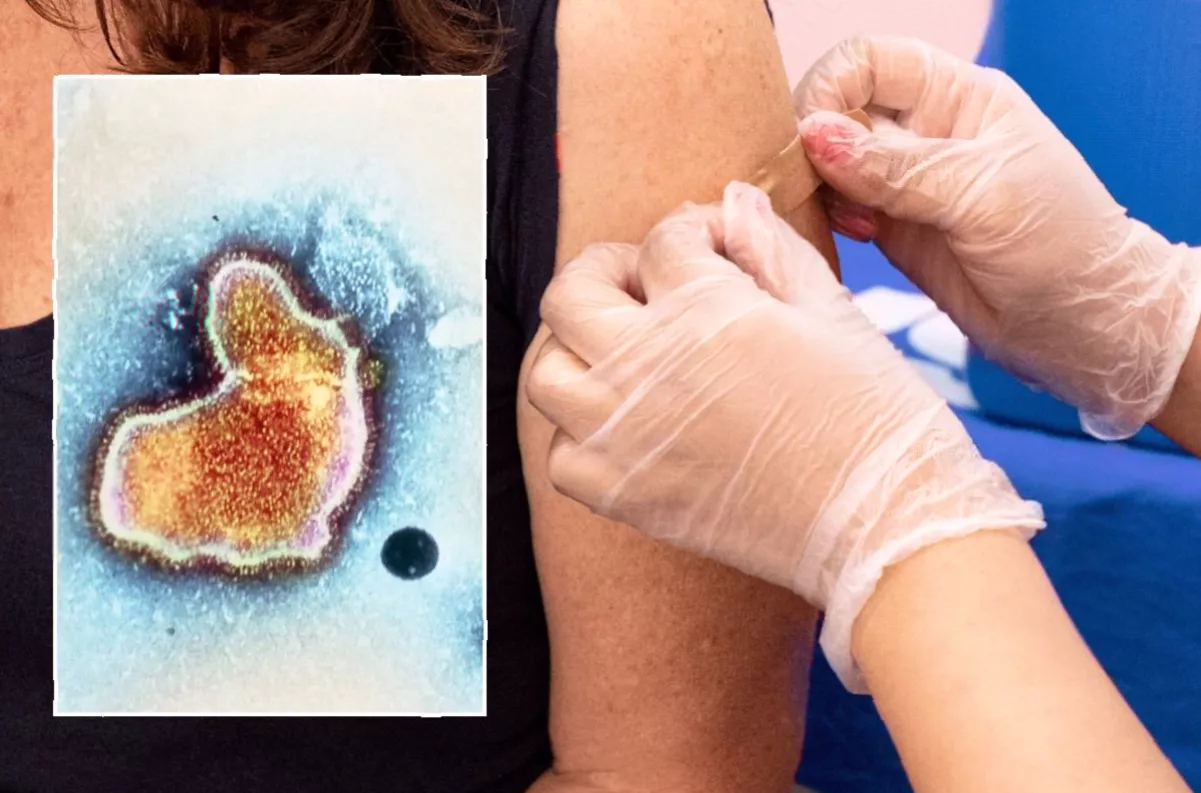
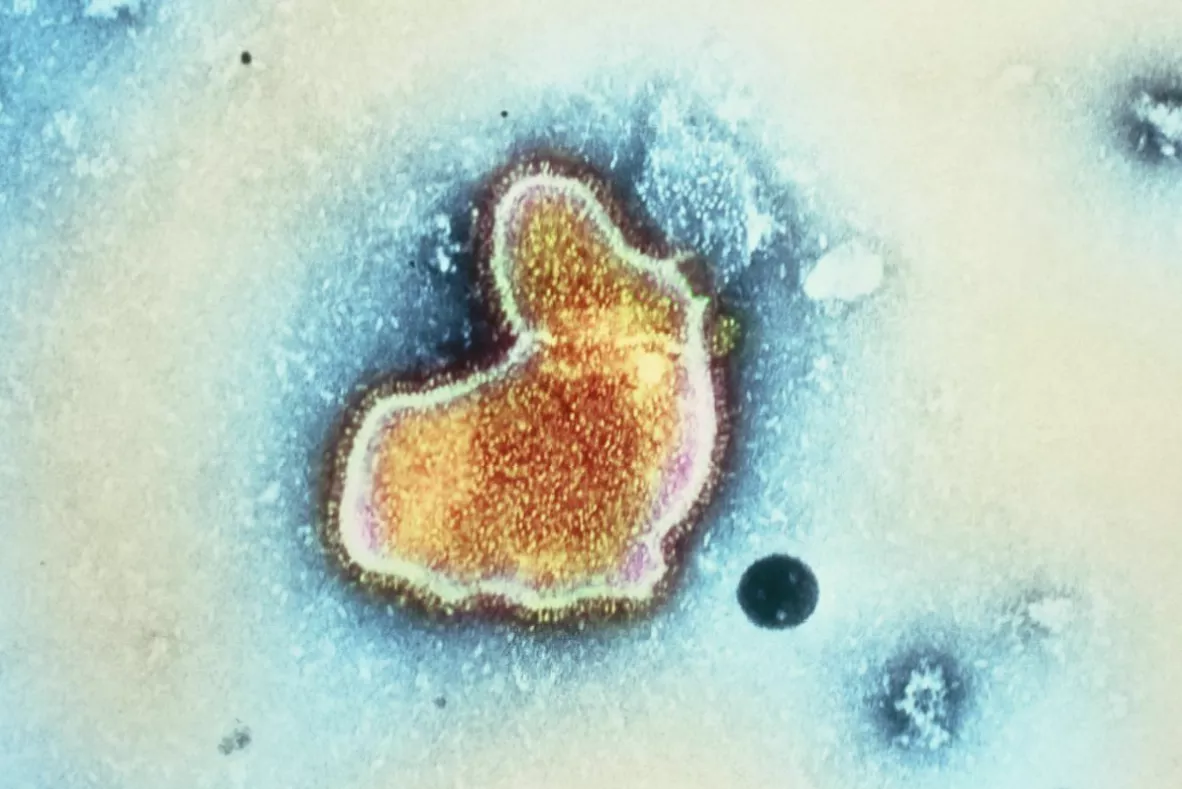
Respiratory syncytial virus is a common infection that usually causes cold-like symptoms but can escalate into pneumonia, bronchitis and serious breathing difficulties, particularly in the very young, the elderly and the clinically vulnerable. In infants it is the most common cause of bronchiolitis and pneumonia. Although cases traditionally surge during the winter months, health officials stress the virus circulates all year round.
Official figures indicate RSV sends around 14,000 people to hospital in the UK each year and is linked to an estimated 8,000 deaths annually. A separate analysis by the RAND Corporation puts the burden higher, estimating approximately 3.6 million adult RSV cases per year in the UK, leading to 24,000 hospital admissions and 11,800 deaths. The economic cost is also significant: RSV in adults costs the UK an estimated £319 million each year, with £140 million falling on the NHS in direct healthcare costs and £179 million in lost productivity. For children under five, the virus adds a further £80 million in healthcare and productivity losses.
Caroline Temmink, Director of Vaccination at NHS England, said: “The virus poses a risk all year round, so if you’ve been offered the jab, please come forward to your GP or local pharmacy. RSV can make people seriously ill, which is why it’s so important for those who are particularly vulnerable to be protected.”
Programme success so far
The RSV vaccination programme was first launched in England in September 2024, initially offering the jab to adults aged 75 to 79. In early 2026 it was extended to all adults aged 80 and over and to all residents in care homes for older adults. Today, millions of people aged 75 and over, along with care home residents, are already eligible, and those yet to come forward are urged to do so without delay.
Figures published by NHS England show that in the past three months alone, 519,571 vaccinations have been given to individuals aged 80 and above. The maternal vaccination programme, which has been offering the RSV vaccine to pregnant women from 28 weeks of gestation since September 2024, has already protected around 300,000 mothers and their babies in its first year. Evidence from last year showed the maternal vaccine reduced RSV infections among infants by 72%. A study by the UK Health Security Agency (UKHSA) found that maternal RSV vaccination provided over 80% protection for newborn infants, with effectiveness rising to nearly 85% when the vaccine was given at least four weeks before birth. For preterm infants, the vaccine reduced the risk of hospitalisation by 89%.
The vaccine has also proved highly effective in older adults. Real-world analysis from the first season of vaccination, carried out by UKHSA, showed RSV vaccination was 82% effective against hospitalisation in older people during that winter.
Clinical and political support
Dr Conall Watson, consultant epidemiologist at UKHSA, described the expansion as an important step. “New evidence makes it clear that these two groups of patients are at the highest risk of needing hospital admission due to RSV,” he said. “The vaccine gives excellent protection against severe lung infection, and I would encourage anyone eligible to take it up when offered. It could make a real difference to your health.”
Public health minister Sharon Hodgson, the Parliamentary Under-Secretary of State for Public Health and Prevention, said the expansion would protect more at-risk individuals before they become seriously ill. “By expanding the vaccination programme, we’re making sure more people who are at higher risk are protected before they become seriously ill. This will save lives, prevent hundreds of avoidable hospital admissions and reduce pressure on the NHS during the winter months,” she said.
The RSV vaccine can be administered at any time and, while it should not be routinely scheduled alongside the flu jab, it can be given at the same time as the COVID-19 vaccine. The JCVI continues to review data on RSV vaccination in other adults with underlying health conditions, leaving the door open to further expansions as evidence accumulates.