

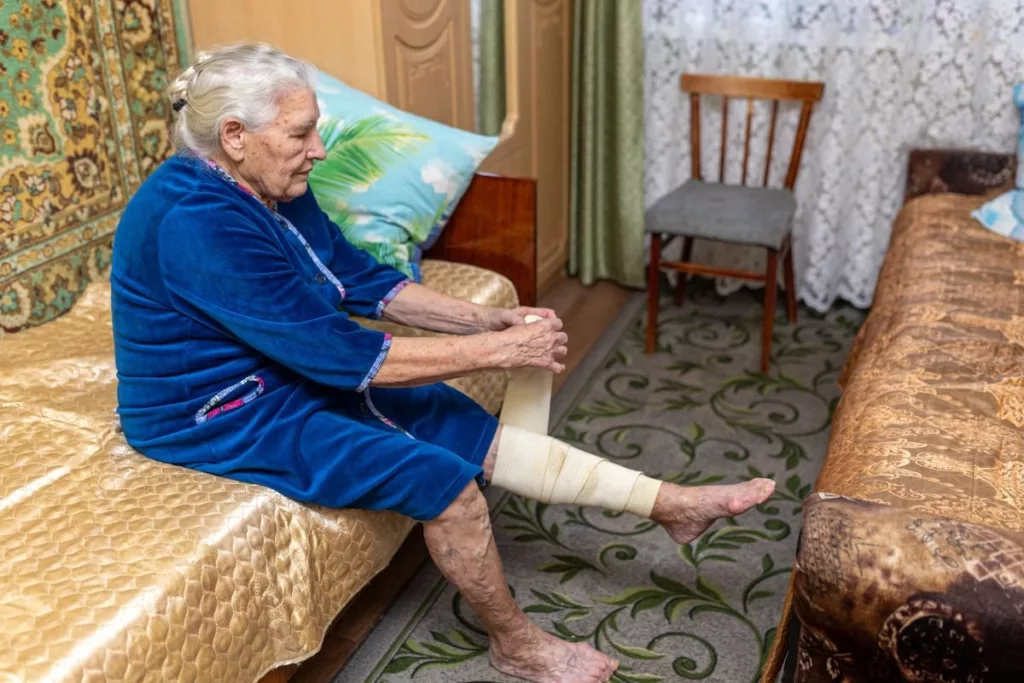
Doctors have warned that soaring summer temperatures do more than cause heat exhaustion and sunburn — the searing heat can thicken the blood, shifting the body into a clotting-prone state that raises the risk of deep vein thrombosis.
When the body becomes dehydrated in hot weather, blood becomes more concentrated and moves more sluggishly through the veins, creating what surgeons describe as “sticky blood.” Board-certified surgeon James J Chao explained: “Slow-moving blood equals sticky blood that’s more likely to clot. However, being properly hydrated and moving around every hour is usually enough to prevent clots from forming.”
Virchow’s Triad: How dehydration triggers all three clot factors
The mechanism by which dehydration drives blood clots is rooted in a clinical framework known as Virchow’s Triad. This describes three conditions that, when present together, significantly increase the risk of a clot forming. The first is venous stasis — slowed blood flow. The second is hypercoagulability, an increased tendency for the blood to clot, making it “stickier.” The third is endothelial injury, damage to the blood vessel wall.
Dehydration alone can trigger all three of these factors. As blood volume drops, circulation slows, meeting the venous stasis condition. The resulting concentration of blood cells and clotting factors creates hypercoagulability. Although endothelial injury is less directly linked to dehydration in everyday settings, the overall pro-clotting environment can be set in motion by insufficient fluid intake.
Venous surgeon Mark Whiteley highlighted the severity of this link: “Dehydration alone, if severe, can be enough to cause deep vein thrombosis. Virchow’s triad shows you only need one of the three factors.” The original article stressed that dehydration on its own can be sufficient to trigger a clot, making it a critical risk during heatwaves when people naturally lose more fluids through sweating.
Dr Chao advised that to avoid problems, people should get up and walk around, flex their calves every half hour, and drink 8oz of water per hour. He drew a stark parallel with long-haul travel: “Constrain your legs in a seated position for six hours without moving on an aeroplane and drink less than adequate fluid; then you’ve got stagnant blood pooling in your calf veins.” Immobility — whether from sitting for extended periods, bed rest, or long journeys — compounds the effect of dehydration, as the NHS notes that prolonged inactivity is a well-established risk factor for venous thromboembolism.
Recognising the symptoms — and the hidden danger
The symptoms of deep vein thrombosis can be subtle or absent. Upwards of 50 per cent of DVT cases present with no symptoms in the leg, making the condition notoriously difficult to detect until a complication arises. When symptoms do appear, they may include throbbing or cramping pain — typically in the calf or thigh — swelling in one leg (rarely both), red, blue, or darkened skin around the painful area (which can be harder to see on darker skin tones), skin that feels warm to the touch, swollen veins that are hard or sore to touch, tenderness, and a heavy ache.
Clots that form in the thigh produce fewer mechanical symptoms than those in the calf, because there is more surrounding tissue to absorb pressure. This means a clot can develop in the thigh without the usual telltale signs.
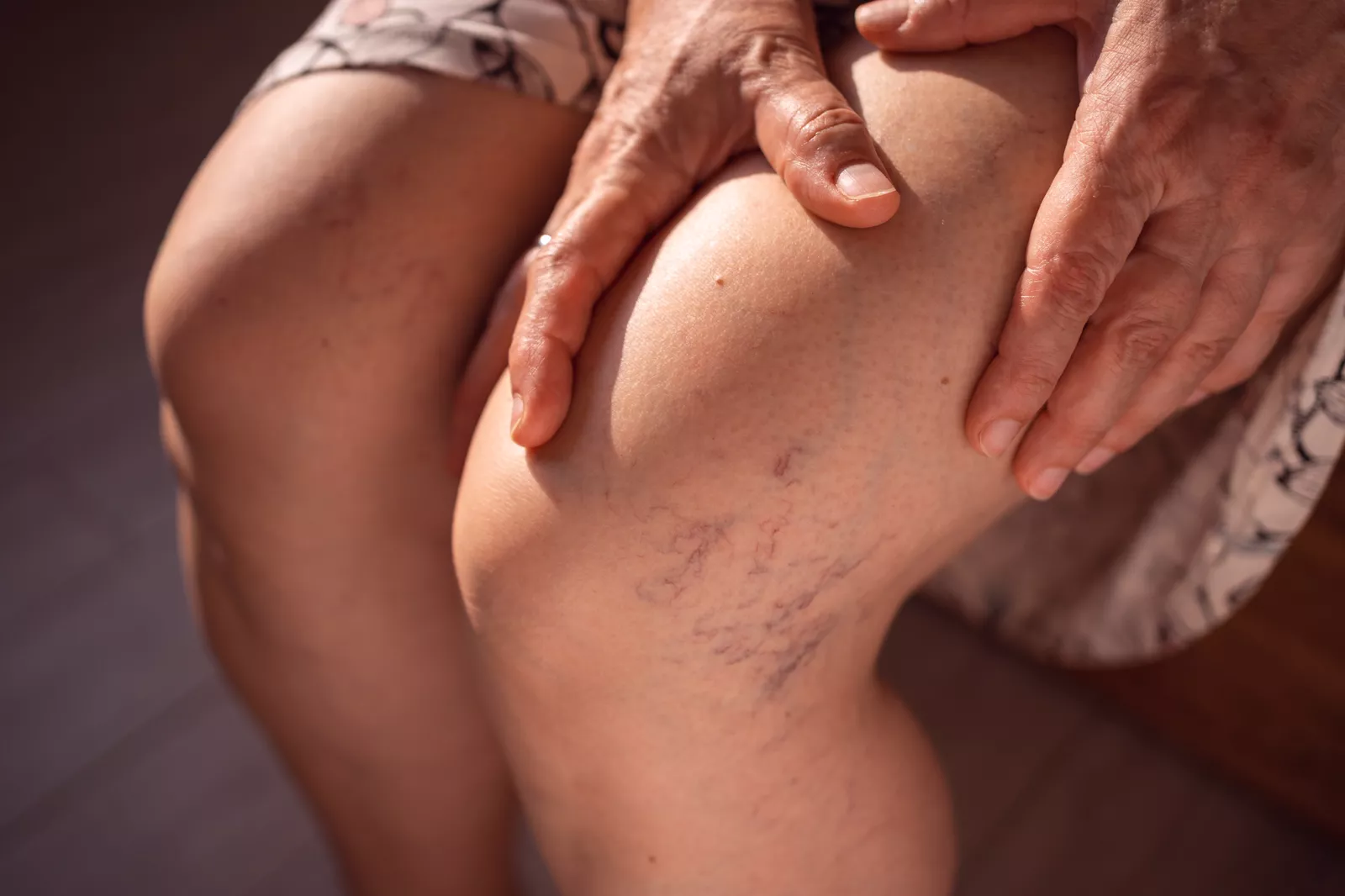
The most serious danger occurs when a fragment of the clot breaks off and travels to the lungs, causing a pulmonary embolism. Dr Chao warned that patients may notice “a stabbing chest discomfort during deep breaths” or a heart rate exceeding 100 beats per minute. Sudden shortness of breath can strike out of nowhere. Other symptoms of a pulmonary embolism include coughing or coughing up blood, fainting, and a feeling of an irregular heartbeat. “Truth be told, when chest symptoms finally show up, leg symptoms are so non-existent that people tend to shrug off the chest pain. Even 30 minutes can tip the scale,” Dr Chao cautioned. The NHS advises seeking immediate medical help — calling 999 or going to A&E — if DVT symptoms are accompanied by breathlessness or chest pain.
Beyond the acute risk, long-term complications such as post-thrombotic syndrome can develop, leading to chronic pain, swelling, skin discolouration, dermatitis, skin ulcers, and recurrent infections in the affected limb.
Heatwaves and wider risk factors
The UK is experiencing increasingly frequent and intense heatwaves, with homes and buildings not designed for extreme heat — a lack of widespread air conditioning means buildings retain heat, particularly overnight, hindering recovery. The UK Health Security Agency lists dehydration, overheating, heat exhaustion, and heatstroke as the primary health concerns during hot weather.
Vulnerable groups include older people (over 65), babies and young children (under five), individuals with long-term conditions such as heart or lung disease, diabetes, kidney disease, cancer, or obesity (BMI of 30 or more), people on multiple medications, those living alone, homeless individuals, and people who work or spend significant time outdoors.
Other established risk factors for blood clots — beyond dehydration and immobility — include age over 60, hormonal factors such as oral contraceptives containing oestrogen, hormone replacement therapy, pregnancy and the six weeks after childbirth, severe trauma, surgery (particularly on the hip, knee, pelvis, or abdomen), prolonged operations, a personal or family history of thrombosis, certain infections, autoimmune diseases, COVID-19 infection, and inflamed varicose veins.
To stay safe during hot weather, the UK Health Security Agency advises drinking fluids regularly even if not thirsty, avoiding alcohol and caffeine (which accelerate dehydration), seeking shade between 11am and 3pm, wearing light loose clothing, closing blinds during the day and opening windows at night, taking cool showers or using damp sponges, and limiting strenuous activity to cooler parts of the day. Checking on vulnerable friends, family, and neighbours is also recommended.