

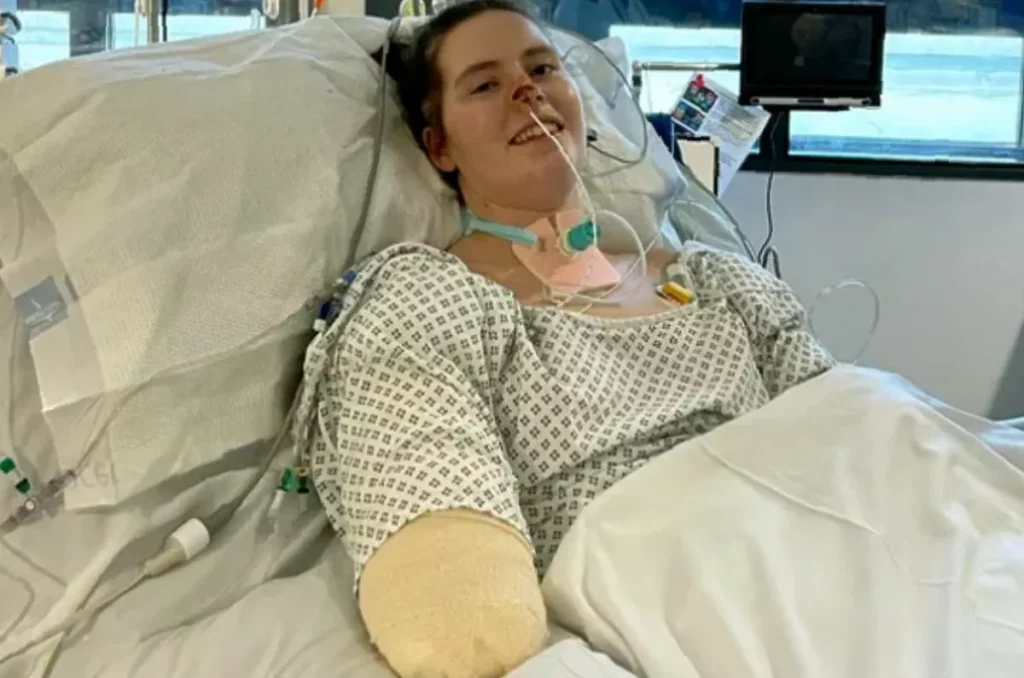
Jersey has extended a free meningitis B vaccination programme to all under-25s, including students heading to university this autumn – a move that comes after a series of large outbreaks across England and a devastating personal story from a young islander who lost all four limbs to the disease.
‘I don’t want anyone else to be in my position’
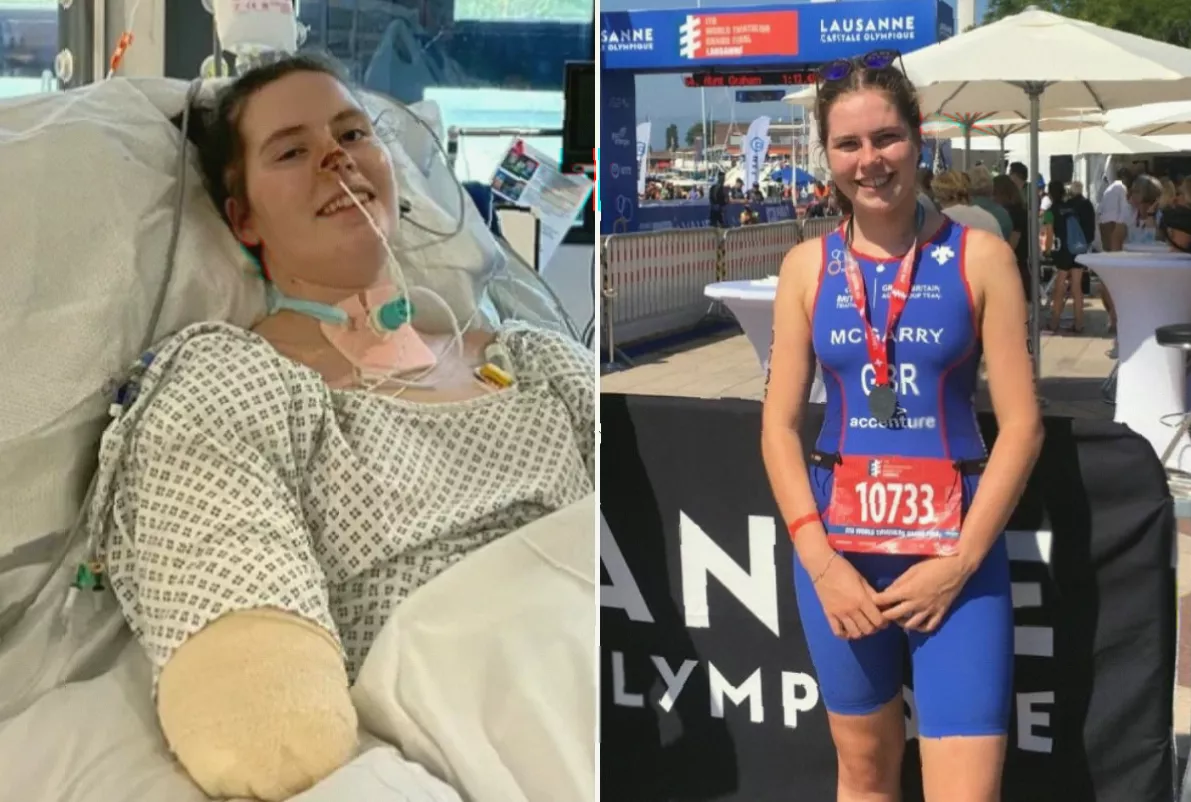
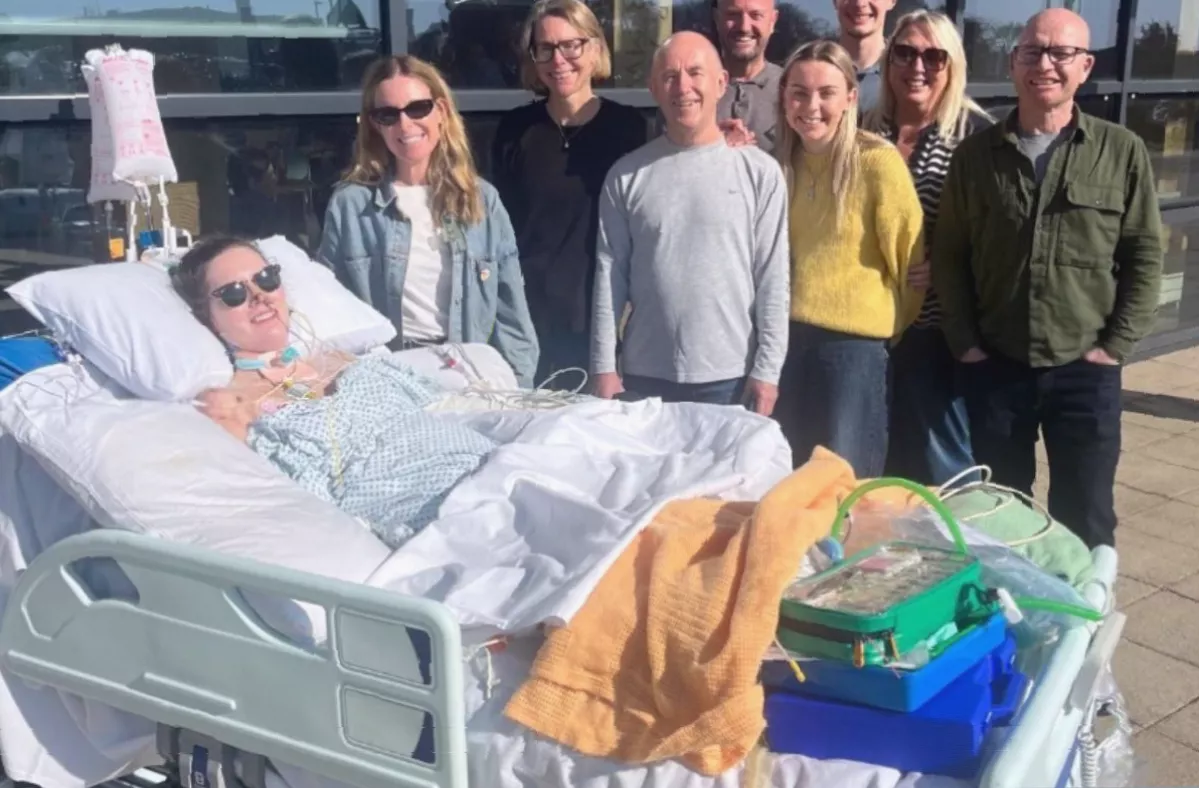
Lily McGarry, a medical student from Jersey, was studying at Cardiff University when she contracted meningitis B and went into septic shock. The illness resulted in the amputation of all four of her limbs. She is now learning to walk again on prosthetic legs and has received a bionic arm from an anonymous donor. A GoFundMe campaign has been set up to support her recovery, covering advanced prosthetics, home adaptations and ongoing rehabilitation.
“I don’t want anyone else to be in my position… The reality is that it’s going to be a difficult life for me,” Lily said. “Any potential cases that can be prevented in the future are something that I strongly believe is very necessary. This is a kind of unique opportunity to have this available to you for free, so don’t take it for granted.”
She recalled that despite studying medicine and knowing about the disease, she never thought she would be the one to get it. Although she was initially annoyed at being unvaccinated, she has since said she understands the complexities of vaccine policy.
How the vaccination programme works
The one-off vaccination programme was launched after significant outbreaks of meningitis B in the UK, notably in Kent, which have been described as the largest cluster of cases in a generation. The programme, which originally targeted university-bound students in England, has now been extended to Jersey. Year 13 students and anyone under 25 will be eligible. International students under 25 entering university for the first time are also covered.
The vaccines require no registration and will be available from July 7. Walk-in clinics are being held throughout July and August, and Public Health Jersey has secured a good supply of doses. Emma Baker, from Public Health Jersey, said: “We’re holding walk-in clinics so there are no appointments that are needed. We’ve got a good supply of vaccines for those eligible in those cohorts. We encourage students to come forward as early as possible so they can have those two doses before they travel off to the UK for their university.”
Two doses of the MenB vaccine are required for full protection, with the second dose administered at least 28 days after the first. The schedule means students can get their first dose in July and the second in August, ensuring they are fully protected before term begins. In England, the vaccine is also being offered through community pharmacies.
Students are considered at higher risk because of close living conditions in halls of residence and increased social contact. Studies have shown that first-year university students have a significantly higher risk of meningococcal B disease compared with their non-student peers.
The MenB vaccine has been part of the routine NHS vaccination schedule for babies since 2015, but it has never been routinely offered to teenagers and young adults in the UK. That has left a large cohort – including current university students – without routine protection. The MenACWY vaccine, which is offered to teenagers, does not protect against MenB. The decision not to extend the MenB programme to older age groups was reportedly based on economic thresholds, as the vaccine’s benefit is primarily individual rather than providing herd immunity. However, some analyses have suggested that the long-term costs of not vaccinating may outweigh the short-term savings.
Symptoms that are often mistaken for ‘fresher’s flu’
Lily wants others to recognise the disease’s symptoms, which can easily be mistaken for the colds and bugs that spread through universities early in term – commonly known as “fresher’s flu”. The early signs of meningitis B can include fever, headache, muscle and joint pain, and vomiting – all of which are common in ordinary student illnesses.
But the key difference is how rapidly the condition can worsen. More severe signs include a stiff neck, sensitivity to light, confusion, and difficulty waking. A rash that does not fade under pressure – the so-called “glass test” – is a critical indicator, though it may not appear in the early stages.
Meningitis B is the most common cause of bacterial meningitis in the UK. In the 2024/25 epidemiological year, MenB accounted for approximately 82.6% of all invasive meningococcal disease cases in England. Young people aged 15 to 19 are at heightened risk, and survivors can experience permanent effects including limb amputation, hearing loss, seizures and brain damage.
Lily’s message is clear: even if you have been vaccinated, remain vigilant. “You still need to be aware of the signs and symptoms of both meningitis and sepsis, especially when leaving home and starting life as a student,” she said. “I was studying medicine, and I knew about these diseases, but I never thought that I would be the one to get it.”