

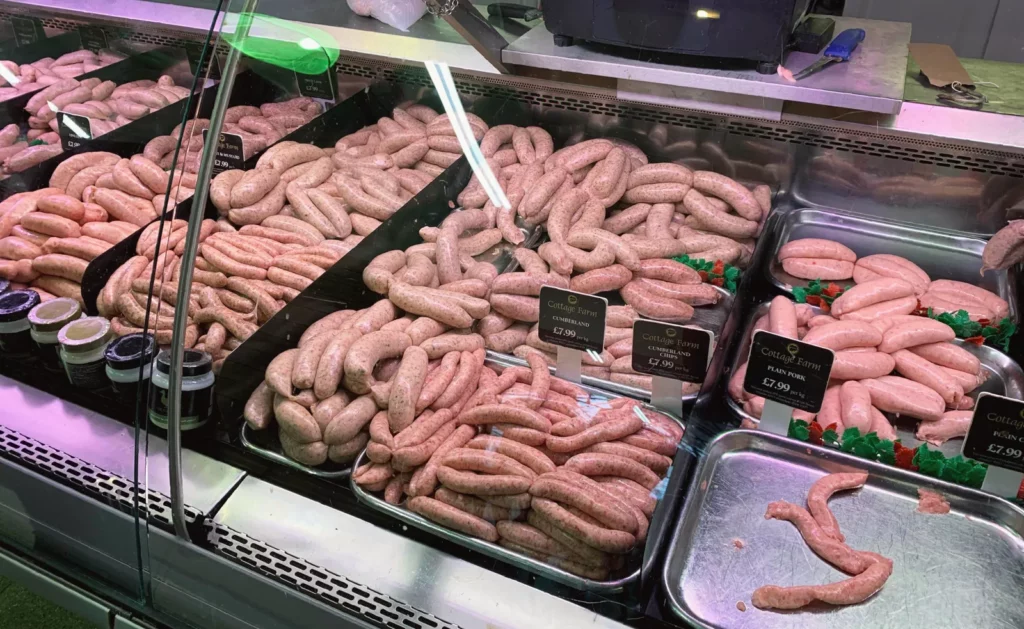
London has recorded its highest ever number of salmonella cases, with health officials warning that the true scale of the outbreak is likely to be significantly worse than the data suggests.
According to a new report from the UK Health Security Agency (UKHSA), the capital now has the highest rate of laboratory-confirmed salmonella infections in England, standing at 25.6 cases per 100,000 people. That represents a 7.1 per cent jump over the past 12 months, with 2,329 confirmed cases recorded last year — believed to be a new record. However, because doctors do not always send samples for laboratory testing, the UKHSA acknowledges the actual number of infections is likely to be considerably higher.
London’s commuter belt and the wider South East region had the second highest rate, at 17.5 per 100,000, though this remained far below the capital’s figure.
National picture and what is driving the rise
The spike in London is part of a broader national trend. Across England, salmonella cases have reached a decade high. In 2024, there were 10,388 laboratory-confirmed infections, a 17.1 per cent increase on the previous year. The upward trajectory appears to be continuing: 1,588 reports were recorded in the first quarter of 2025, up from 1,541 in the same period of 2024. The Food Standards Agency (FSA) estimates that, once underreporting is accounted for, the true annual number of foodborne salmonella cases in the UK is around 23,000.
Several factors are thought to be contributing to the rise. Enhanced molecular diagnostic testing may be identifying cases that would previously have gone undetected. Changes in food supply chains and sourcing practices are also under scrutiny, alongside the impact of the cost of living, which may have altered how people store, cook and handle food at home. A significant and ongoing challenge has been contamination linked to imported poultry products from Poland: since 2020, multiple incidents requiring regulatory intervention have been recorded, including a variant of salmonella linked to eggs and poultry from Poland that affected more than 200 people in late 2023 and into 2024. September has historically been a peak month for salmonella reporting.
How to reduce the risk of infection
Salmonella bacteria are commonly found in the intestines of animals and humans and are shed through faeces. Infection in people most often occurs through consuming contaminated food or water, but can also result from direct contact with infected animals or people.
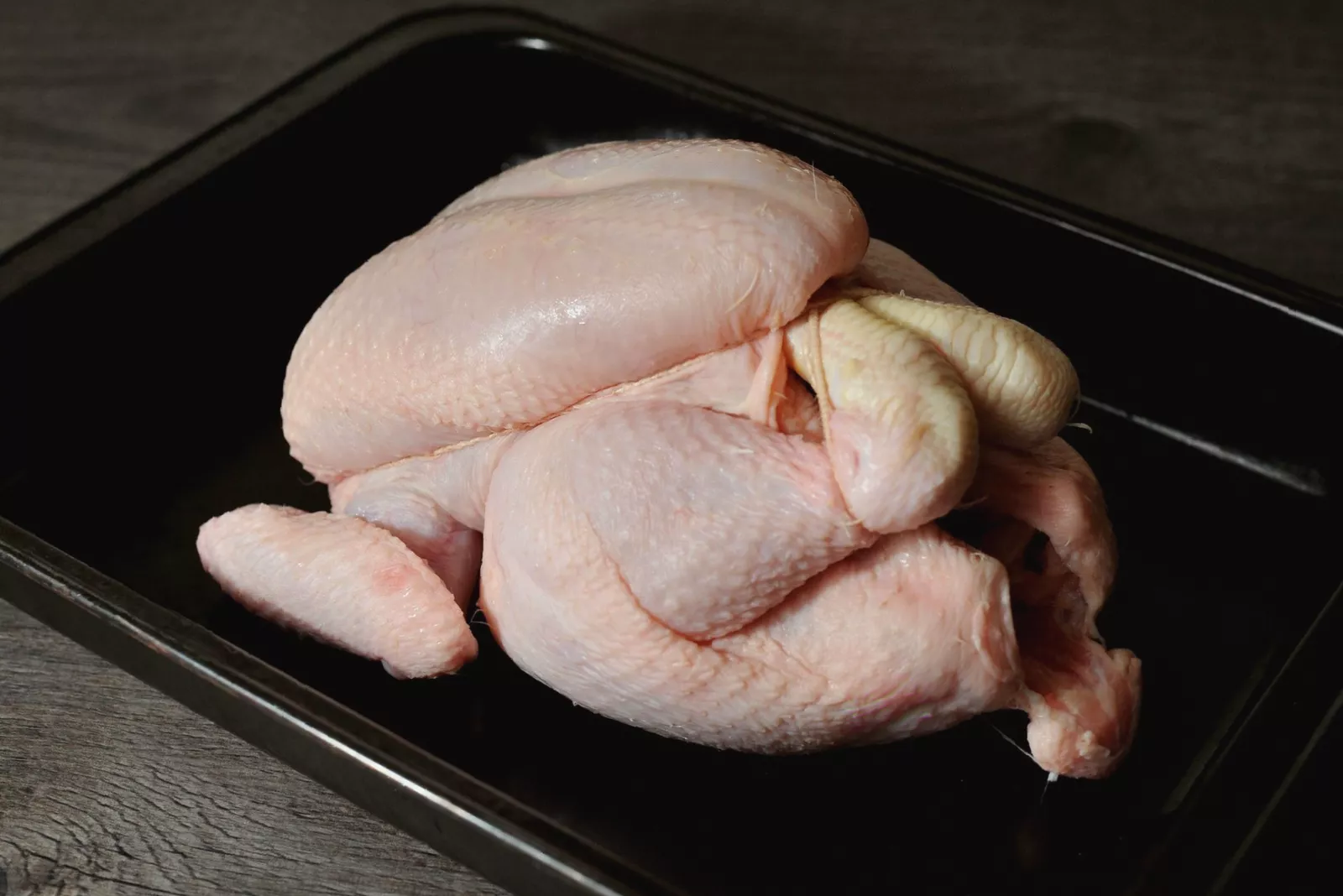
Common food sources include poultry and eggs, pork, beef, lamb, dairy produce, and fresh fruit and vegetables that have come into contact with livestock, manure or untreated water. Even ready-to-eat items can become contaminated through cross-contamination in the kitchen — for example, when raw meat juices spread to salad ingredients via chopping boards, work surfaces, knives or reusable shopping bags. Poor hand hygiene after handling raw products is a major factor in transmission. Infected individuals can also pass the bacteria to others if they prepare food without washing their hands properly.
Dr Gauri Godbole, deputy director for gastrointestinal infections at UKHSA, stressed: “Salmonella spreads in many ways — through contaminated food or water, contact with an infected person, or contact with infected animals or their environment. Washing hands thoroughly with soap and water, particularly after using the toilet, handling raw meat, eating, and contact with animals or farms, can help prevent infection.”
Dr James Cooper, deputy director of food policy at the FSA, urged the public to follow what he called the “4Cs of food hygiene”: chilling, cleaning, cooking and avoiding cross-contamination.
Specific preventative measures recommended by public health agencies include:
Handwashing: Thoroughly wash hands with soap and water after using the toilet, after handling raw meat, before eating, and after any contact with animals or farm environments.
Cooking: Meat, especially poultry, should be cooked thoroughly to an internal temperature of 75°C to kill any bacteria.

Cleaning: Keep all food preparation surfaces clean and disinfected.
Chilling: Store food, particularly raw meat, below 5°C to slow bacterial growth.
Avoiding cross-contamination: Keep raw and ready-to-eat foods separate during storage and preparation. Use separate chopping boards and utensils for raw meat and other foods, or wash them thoroughly between uses.
Food safety dates: Always use food and drink by the ‘use by’ date printed on the label.
Avoiding risky products: Be cautious with unpasteurised milk and raw egg preparations, especially for those in vulnerable groups. While Lion Mark eggs in the UK come from vaccinated hens, cracked or dirty eggs, and improperly stored or undercooked eggs, still pose a risk.
Anyone experiencing diarrhoea or vomiting should avoid handling or preparing food for others, should not return to work, and children should not attend school or nursery until at least 48 hours after symptoms have cleared, Dr Godbole added.
Symptoms of salmonellosis — diarrhoea, stomach cramps, nausea, vomiting and fever — usually develop between 12 and 72 hours after infection and typically last four to seven days. Most people recover without medical treatment, but those with severe or prolonged symptoms should consult a doctor.
Who is most at risk and recent recalls
Young children, elderly adults, pregnant women and those with weakened immune systems are at higher risk of developing serious illness from salmonella. Data for 2024 show that children under 10 accounted for 21.5 per cent of all cases, with severe dehydration a particular danger for those under five. Severe complications can include bacteraemia — where the bacteria enter the bloodstream — and, in rare cases, reactive arthritis. Salmonella is estimated to cause between 40 and 50 deaths per year in the UK.
In response to the rise in cases, several product recalls have been issued. In February 2026, Tesco recalled 230g packets of Tesco Grape & Berry Medley after the product was found to contain traces of salmonella, advising customers to return them for a refund. Last autumn, the frozen dog food Rhondda Raw’s Beef 80-10-10 was recalled over fears it contained the bacteria, with pet owners urged to return it to the point of purchase. Waitrose also issued an urgent recall last summer for its Egg and Spinach Protein Pot due to salmonella concerns.
Other recent recalls for salmonella contamination include Kinder products in April 2022, which were linked to an outbreak involving several young children; a French pork product, Bastides Saucisson Sec, recalled in March 2026; and Good4U Super Sprouts Super Greens, recalled in April 2026. The FSA has said it is working closely with UKHSA and industry partners to understand the reasons behind the surge and to take the necessary action to protect public health.