

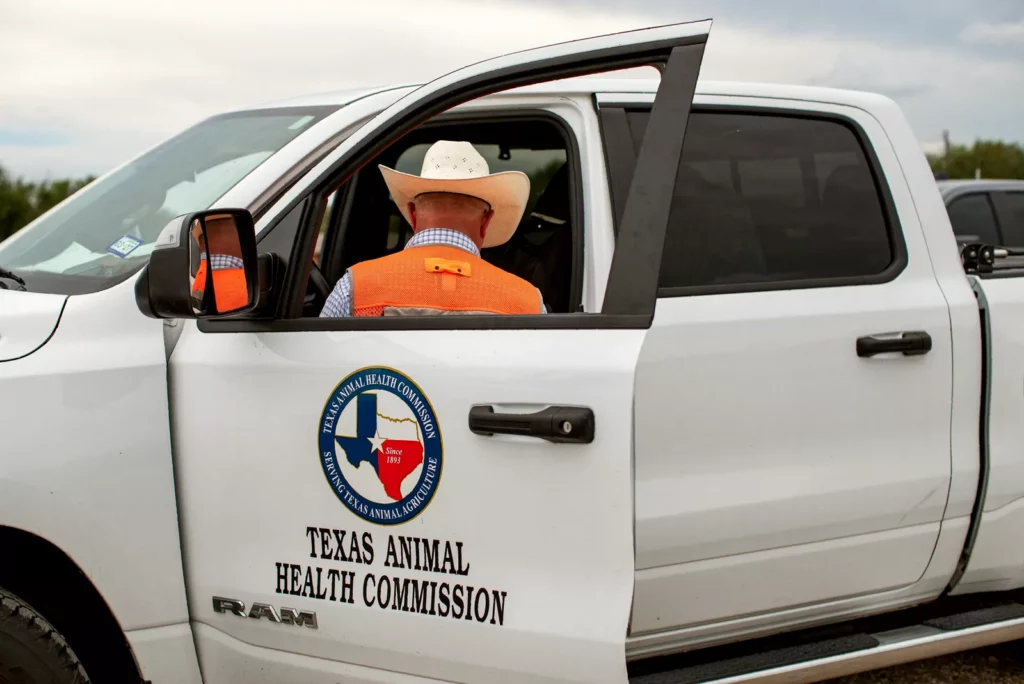
Quarantines are in place across four Texas counties due to a flesh-eating parasite, with authorities scrambling to contain an outbreak that has already spread into neighbouring New Mexico.
The Texas Animal Health Commission confirmed four livestock infections with New World Screwworm in the past week, while New Mexico reported a case involving a dog in Lea County on Monday. Sections of La Salle, Uvalde, Webb and Zavala counties now fall under strict animal movement restrictions, and the commission has also established quarantine zones in parts of Gillespie, Kerr and Kimble counties. The affected region sits fewer than 100 miles from San Antonio – a metropolitan area home to more than three million residents – and more than 300,000 people live within the quarantined zones themselves.
The quarantine prohibits warm-blooded animals from leaving designated areas without official authorisation. Cattle, horses, goats, dogs and wildlife all fall under these restrictions. Hides, carcasses and animal parts also require inspection and treatment before removal. Residents themselves may move freely, though humans can also become hosts for the infestation. Animal owners seeking to transport livestock or pets must contact the Texas Animal Health Commission for inspection; officials will examine animals for signs of infection before issuing movement certificates.
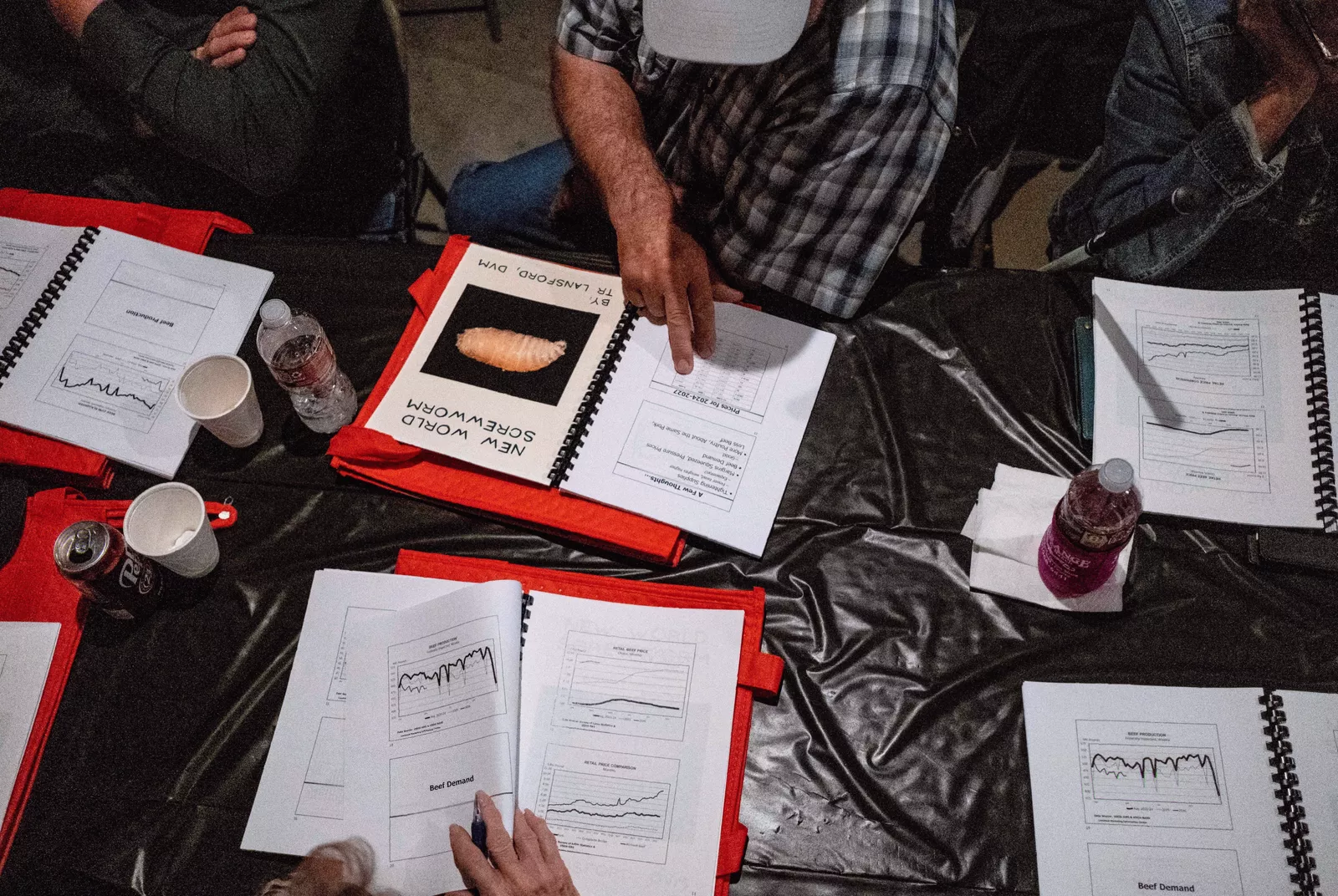
How the New World Screwworm attacks
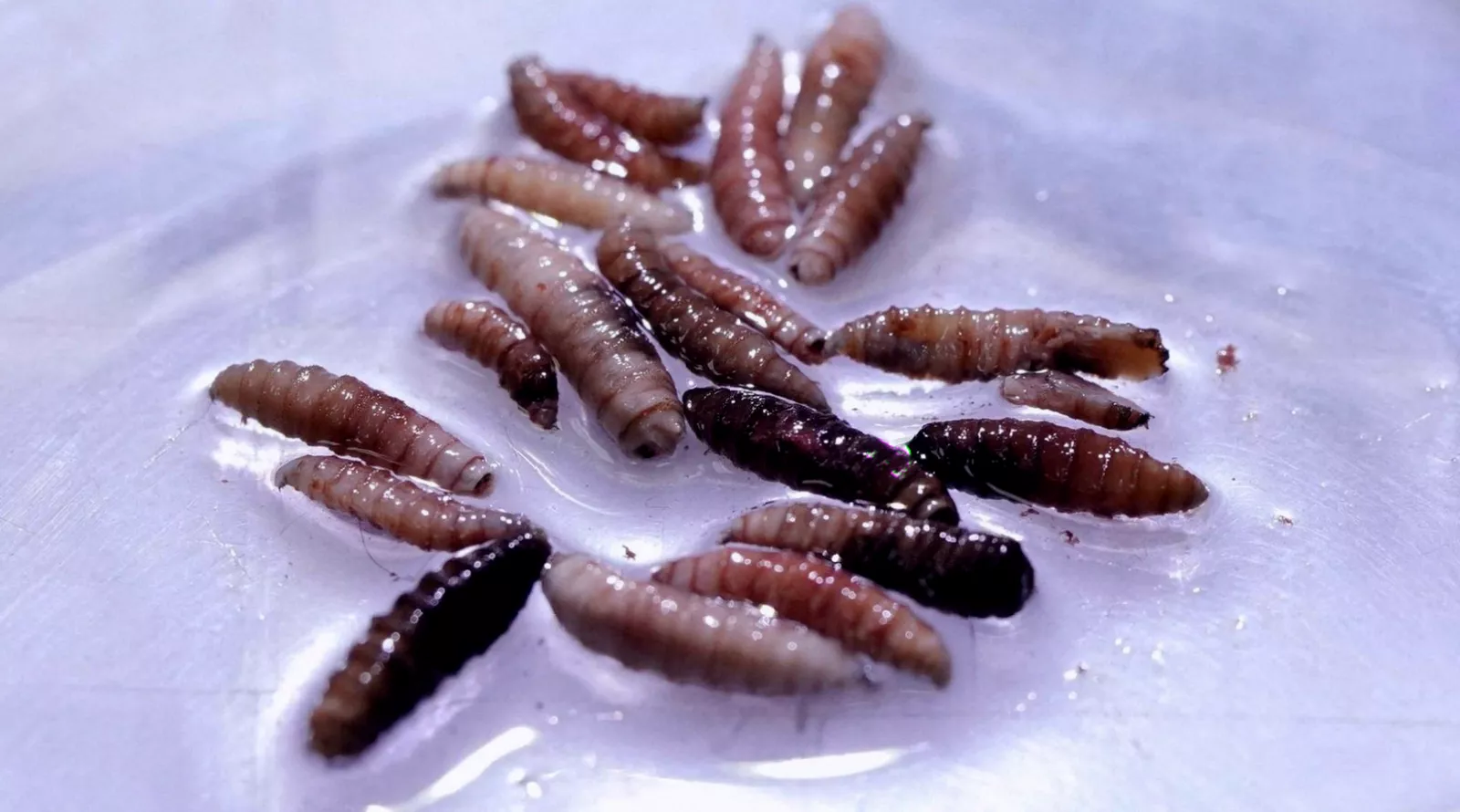
New World Screwworm is caused by the larvae of the Cochliomyia hominivorax fly. Gravid females deposit hundreds of eggs into open wounds or natural body orifices of warm-blooded animals. The eggs hatch within 12 to 24 hours, and the larvae – characterised by backwardly protruding spines that give them a screw-like appearance – immediately burrow into living tissue. Over a period of four to seven days they feed aggressively, enlarging the wound. Mature larvae then exit the host and pupate in the soil, with adult flies emerging typically after 7 to 54 days, depending on environmental conditions. The entire life cycle can be completed in approximately three to four weeks under warm conditions, allowing for rapid population expansion.
Unlike other fly larvae that feed only on dead or necrotic tissue, New World Screwworm larvae consume living flesh. Without treatment, the resulting infections can be fatal. The parasite can infest a broad spectrum of domestic and wild mammals, with livestock – particularly cattle, sheep and goats – as well as pets and wildlife most frequently affected. Adult flies are metallic blue or green with three distinct dark stripes on their thorax.
No human infections have been recorded on American soil thus far, and the public health risk in the United States is currently considered low. However, the US Centers for Disease Control and Prevention reports that more than 2,100 people have already contracted screwworm infestations in Mexico and Central America this year, with the total number of cases across those regions exceeding 185,000 as of Monday. A travel-associated human case was confirmed in Maryland in August 2025 – the first in the United States in decades – acquired after travel to El Salvador.
New World Screwworm was eradicated from the United States in the 1960s through the pioneering use of the Sterile Insect Technique, which involves releasing large numbers of factory-reared, sterilised male flies to suppress wild populations. A subsequent outbreak in the Florida Keys in 2016-2017 was also successfully eradicated. The parasite remains endemic in parts of South America and the Caribbean, but since 2023 an outbreak has moved northward through Central America and Mexico, leading to its re-emergence in the United States after the barrier zone in Panama was breached that year. The United States and Panama jointly manage the only New World Screwworm sterile fly production facility in North America, though there are concerns that the country currently lacks sufficient sterile flies to stop the spread.
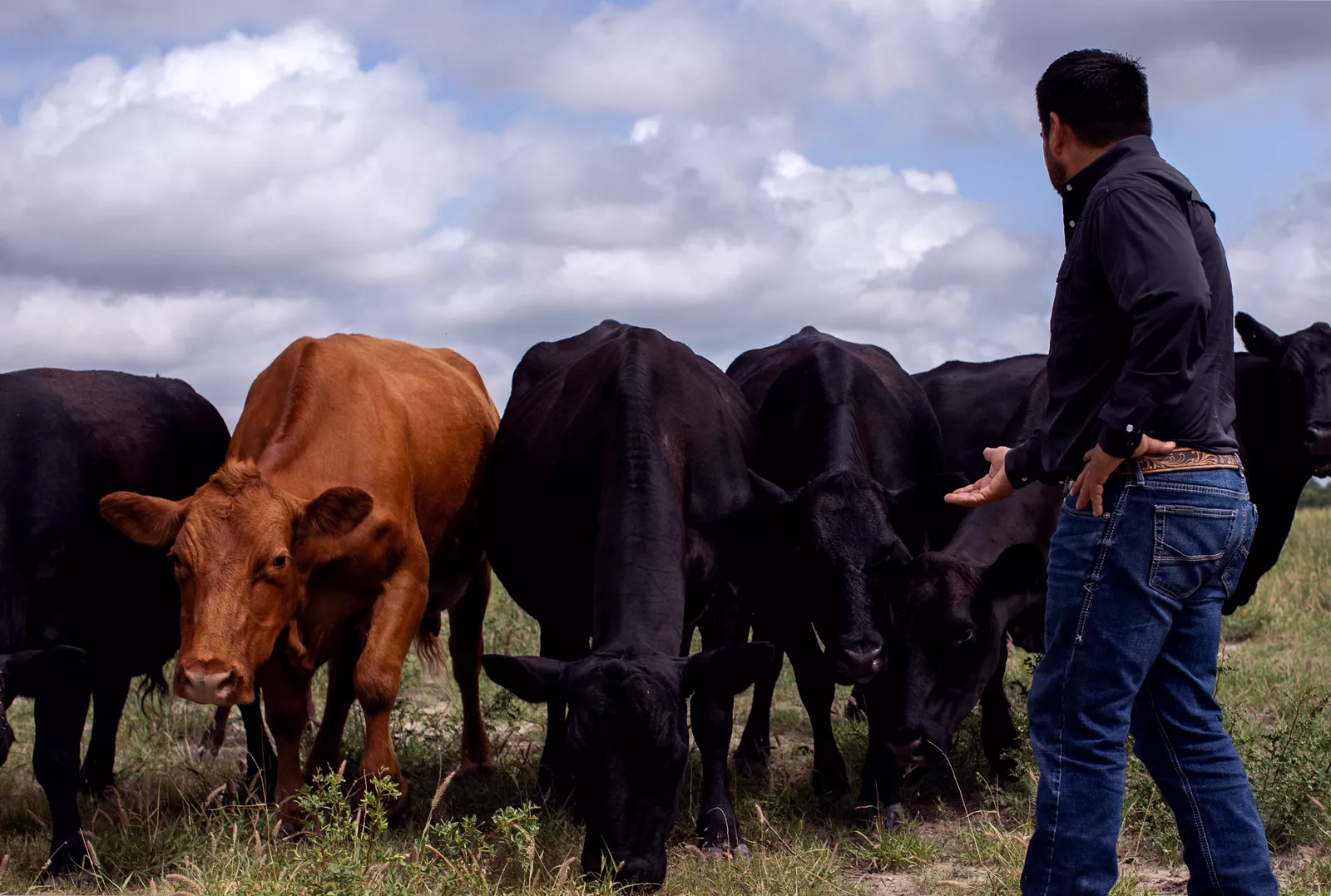
Authorities aim to prevent a major outbreak that could devastate southern livestock industries. Historically, outbreaks have caused estimated annual losses in the United States exceeding hundreds of millions of dollars before eradication programmes; a 1976 outbreak in Texas alone resulted in an estimated economic impact of $283–375 million. The eradication of the parasite has yielded substantial benefits, estimated at $796 million annually to US producers and $2.8 billion to the wider economy in 1996.
Prevention and response
The US Department of Agriculture has launched a “$100 million New World Screwworm Grand Challenge” to accelerate private-sector innovation. It has also deployed more than 8,000 traps along the US-Mexico border and is analysing tens of thousands of fly samples. The USDA said: “This situation is evolving, and we expect new information to emerge as our investigation continues. We are working closely with our partners in New Mexico, Texas, and across the region to ensure we identify, contain, and respond to any potential cases as swiftly as possible.” Federal and state partners are conducting animal and fly surveillance, epidemiological investigations and implementing response protocols.
Health officials advise those in affected areas to keep wounds clean and bandaged. The CDC recommends wearing loose long-sleeved clothing, trousers, hats and socks to reduce exposed skin. Warning signs of infection include unexplained painful sores that fail to heal, foul odours or bleeding from wounds, and visible maggots or movement near injuries or facial openings.