

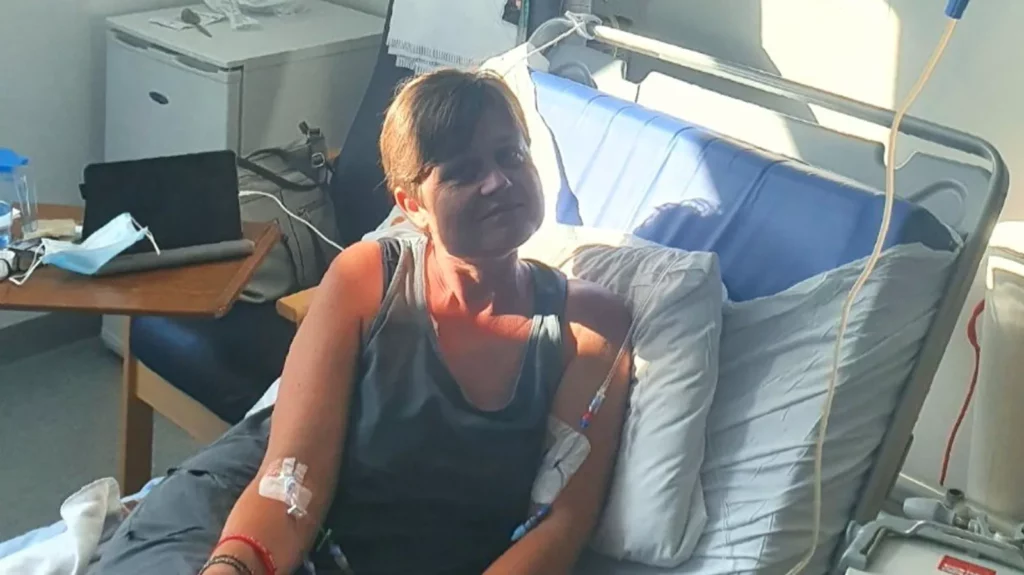
A fitness enthusiast who was at the peak of her physical condition developed a metallic taste in her mouth and began struggling for breath before being diagnosed with an incurable blood cancer.
June Kelly, 48, from Micklefield, Leeds, had spent years training for triathlons, half marathons and the Great North Swim. But in March 2021 she noticed something was wrong. “I was getting short of breath when running up hills, finding it hard to get warm and I had this strange metallic taste in my mouth that wouldn’t go away,” she recalled. Initially she put it down to asthma or an underactive thyroid. A routine asthma review led to a GP phone appointment, which prompted blood tests. The next day the doctor told her to get to hospital immediately: her kidneys were failing.
At York Hospital doctors discovered her kidneys were working at just 5% of normal capacity. She needed urgent dialysis. “I had a neck line fitted the following day and two hours of dialysis. It felt like my life was coming crashing down,” she said. Medics explained that the metallic taste she had been experiencing was a direct result of her failing kidneys. The symptom occurs when waste products build up in the bloodstream – a condition known as uraemia – and can alter taste perception.

Kidney failure is a common complication of myeloma, a cancer of plasma cells in the bone marrow. According to Myeloma UK, between 20% and 40% of patients have kidney damage at the time of diagnosis. The primary cause is the toxic effect of abnormal proteins – monoclonal light chains – produced by myeloma cells, which clog and damage the kidney’s filtering units. This condition, called cast nephropathy or “myeloma kidney”, can be exacerbated by dehydration, high calcium levels and pre-existing conditions such as diabetes. In June’s case, the damage was severe enough to require ongoing dialysis three times a week.
Diagnosis and treatment
A week after her kidney crisis, on 30 March 2021, blood tests confirmed she had myeloma. “When I was told it was myeloma it completely blew my world apart,” she said. “I was the fittest I’d ever been in my life and I’d gone from feeling a bit tired and having a strange taste in my mouth, to being told my kidneys were failing and then that I had incurable blood cancer.” Myeloma is the second most common blood cancer in the UK, accounting for about 2% of all cancer diagnoses. Around 6,500 new cases are diagnosed each year – roughly 18 a day – and incidence rates have risen by nearly 37% since the early 1990s. The disease is more prevalent in men and is two to three times more common in Black individuals, who are also often diagnosed at a younger age. While incurable, it is treatable, and survival has improved significantly with modern therapies.
June began chemotherapy the day after her diagnosis, receiving weekly injections for four months. A CT scan later revealed a fracture in her lower back and lesions in her pelvis, hips and ribs. She was given a bone-strengthening infusion but dialysis specialists were concerned about how much of the drug remained in her body. She now receives an injection every six months to protect her bones.
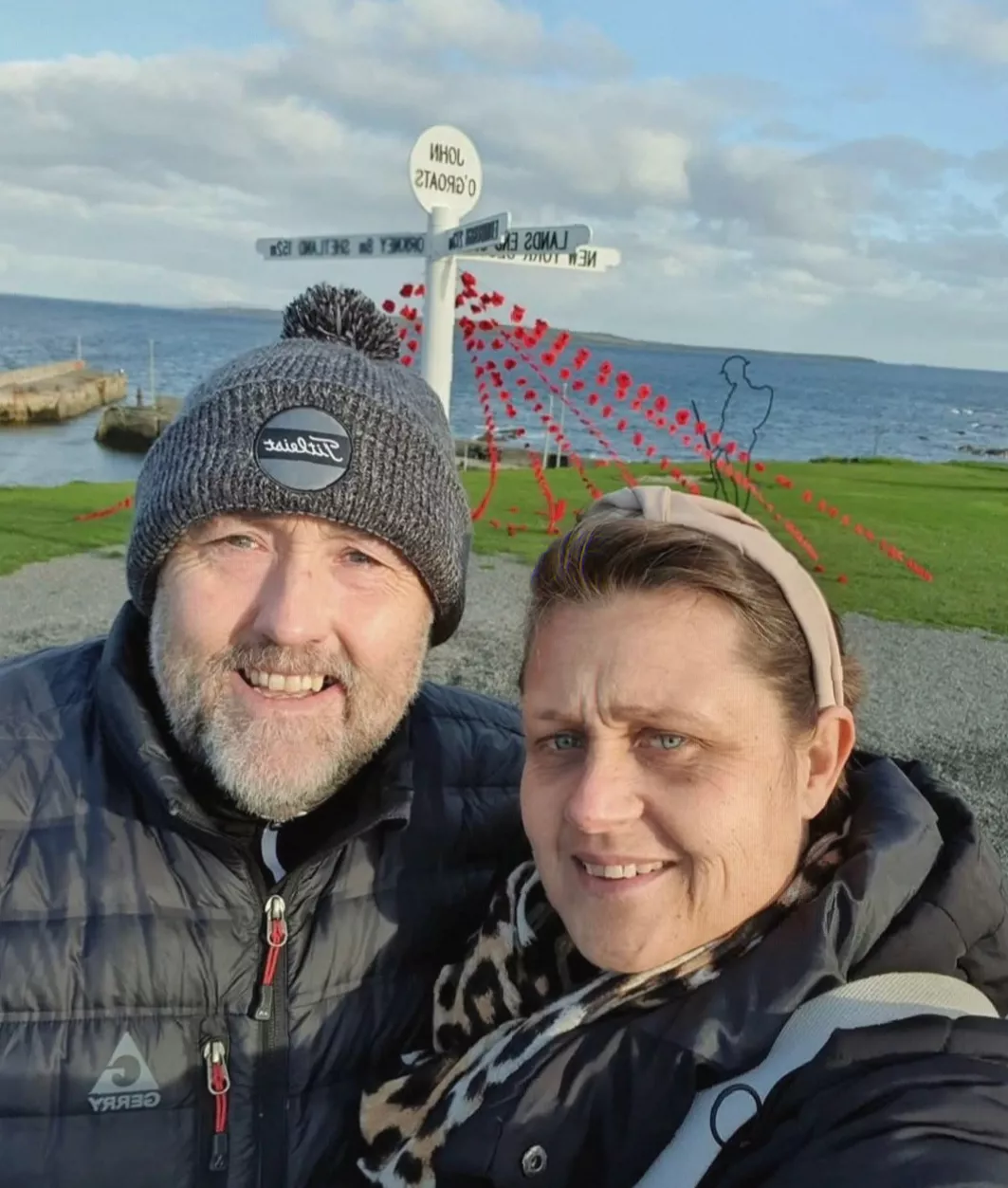
In September she underwent a stem cell transplant at Queen Elizabeth Hospital in Birmingham, one of the UK’s largest centres for haematology and stem cell transplants. After 100 days her bone marrow was checked and she started maintenance chemotherapy in tablet form – taken for 21 days followed by a week off. Because of her cancer, she cannot have a kidney transplant and continues to dialyse three times a week.
Living with myeloma
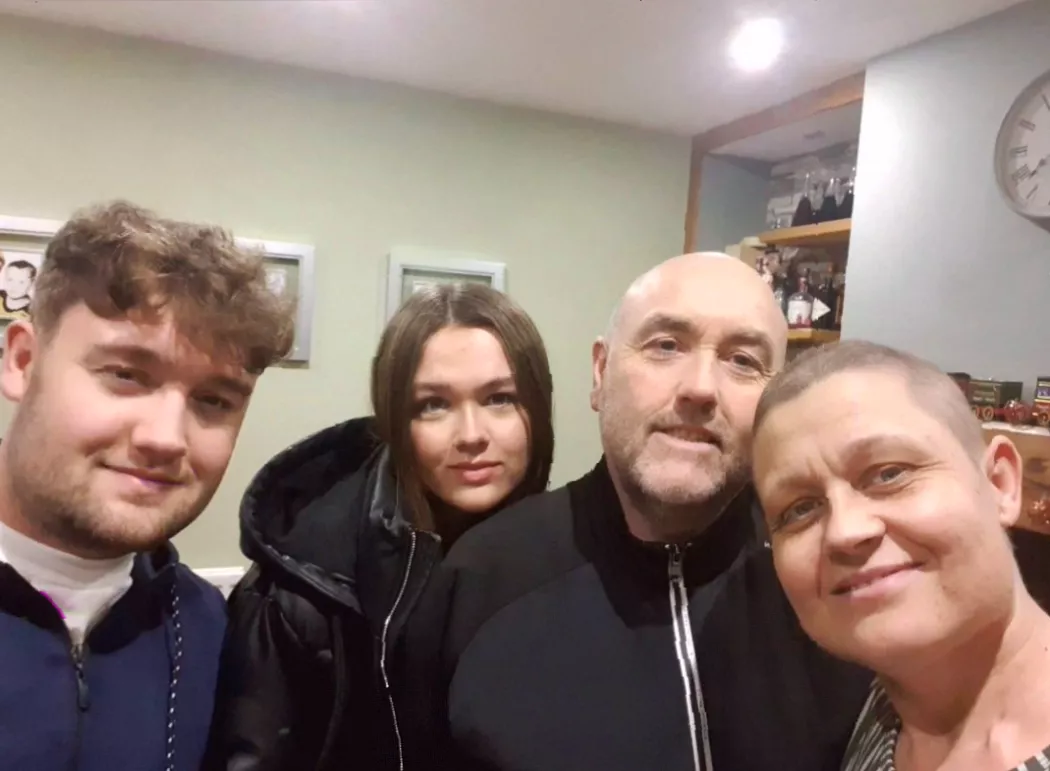
Telling her children – son Max, now 25, and daughter Mia, now 20 – was one of the hardest parts of the diagnosis. Her husband Adrian, 57, chose to read everything he could about the disease, but June deliberately restricted the information she absorbed. “I told the doctors: ‘Tell me what to do and I will do it,’” she said. Early on she avoided support groups, but later found comfort in connecting with others facing the same illness. “My sister-in-law, who also has blood cancer, reassured me that feeling angry is normal and it does pass.”
Despite the gruelling treatment, June said chemotherapy and dialysis made her “feel so much better” and she realised how unwell she had been. She focused on family milestones to give herself something positive to hold onto. “The first year my goal was to see my niece born, this year I wanted to see my son graduate and niece start school, and next year I want to see my daughter graduate.”
She and Adrian have bought a campervan to explore the UK, including a trip to the Scottish Highlands and Loch Ness, stopping for dialysis in Inverness along the way. “It’s harder going on holiday because of dialysis but we had always said we would get a motorhome when my husband retired so we have done that early. I enjoy the good days and just get through the bad.”
Cancer has changed her outlook. “I was always a very nervous person and didn’t like upsetting people. Now, if I don’t want to do something I just don’t. I don’t worry about little things. Myeloma has taken away so much but also has made me a stronger person, who no longer worries about the little things and appreciates every day.”