

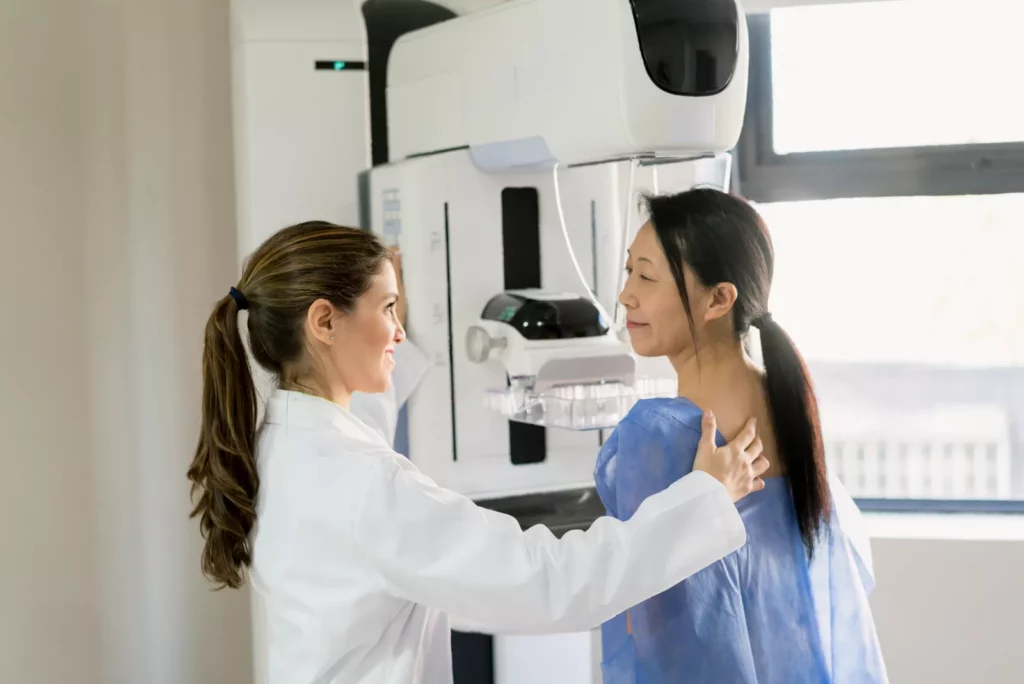
The number of breast cancer diagnoses in women aged 25 to 49 increased by five per cent between 2022 and 2023, fresh analysis from the charity CoppaFeel! has revealed. The figures come as the organisation warns that younger patients are being “routinely dismissed” by healthcare professionals when they present with symptoms, and that the current system is failing a growing demographic.
Calls for a new approach
According to the charity’s report, one in six people diagnosed with breast cancer are now aged 49 or younger. Longer-term trends show a particularly stark rise among the very young: diagnoses in people under 30 jumped by 78 per cent between 2001 and 2019. The consequences of late detection are severe — patients diagnosed under 50 are nearly twice as likely to have late-stage cancer compared with someone in their sixties, while for those under 25 the likelihood is more than double. A 25-year-old diagnosed with stage III breast cancer has only a quarter of the 15-year survival chance of a 65-year-old with the same stage of disease, underlining the critical importance of early detection in younger women.
CoppaFeel! argues that the current reliance on age alone to determine screening eligibility is leaving too many younger women to discover their cancers late. The NHS breast screening programme invites women for mammograms between the ages of 50 and 71. The rationale for this age threshold is that over 80 per cent of breast cancers occur in women over 50 and that younger women typically have denser breast tissue, which can make mammograms less effective. However, the charity points out that more than half of all new breast cancer diagnoses now occur outside the national screening age bracket, and that the system was “not built with young people in mind.”
Sophie Dopierala-Bull, director of services and engagement at CoppaFeel!, said: “Early diagnosis depends too heavily on whether young people know their bodies, whether they feel confident seeking help, whether they can access healthcare, and whether they are taken seriously when they get there. Awareness matters — CoppaFeel! has spent more than 15 years helping young people know their bodies and feel confident seeking help. But awareness alone cannot carry the weight of a system that was not built with young people in mind.”
The charity was founded by twin sisters Kris and Maren Hallenga after Kris was diagnosed with stage four breast cancer at the age of 23 in 2009. Kris, who was initially dismissed by GPs who considered her too young for the disease, lived with an incurable diagnosis for more than 15 years before her death in May 2024 at the age of 38. Her story continues to drive the charity’s mission to ensure no young person’s outcome depends on luck or a clinician’s willingness to believe them.
The seven-minute solution
To address what it calls a systemic failure, CoppaFeel! is calling for the pilot of a seven-minute risk assessment tool. The proposed assessment would move beyond an age-only approach by evaluating a combination of factors: family history, genetic predisposition, and breast density. The aim is to identify individuals who may benefit from earlier or more frequent screening before they turn 50.
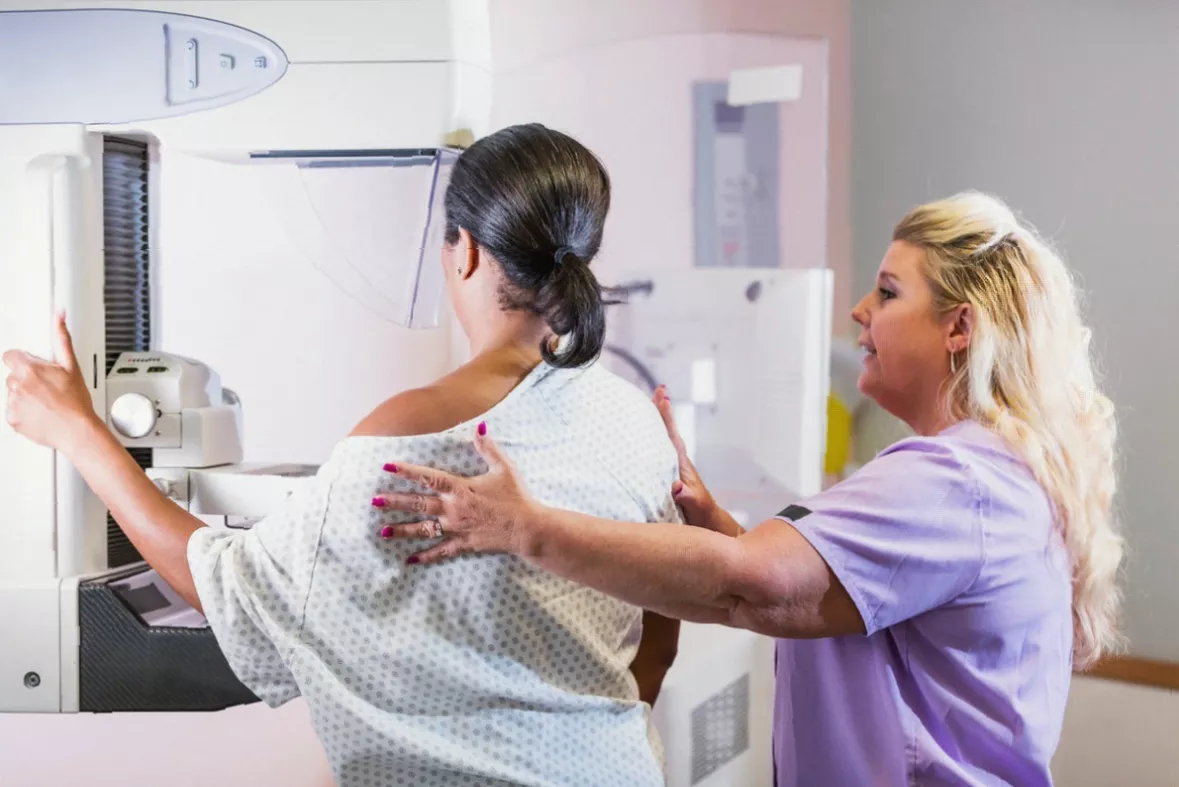
The tool’s potential lies in its simplicity and speed. Dr Elizabeth Lynch, a GP and member of CoppaFeel!’s medical advisory group, said a conversation lasting minutes could help younger people understand what is normal for their bodies and when to seek help. “Although the prevalence of breast cancer in younger people is low, there are identifiable risk factors that may highlight those that need additional support,” she said. “A brief chat would ensure this cohort was identified by their healthcare professional, their worries and concerns addressed, and tailored, appropriate and timely intervention offered.”
Among the risk factors the tool could consider are family history of breast or ovarian cancer, known genetic mutations such as BRCA1 and BRCA2, high breast density, early onset of menstruation (before the age of 12), late menopause (after 55), use of certain contraceptive pills, alcohol consumption, smoking, being overweight, and lack of physical activity. Identifying these factors early could allow clinicians to offer enhanced screening or surveillance. The charity also notes that emerging research, such as the Bcan-Ray study, is already identifying younger women aged 30 to 39 who are at increased risk and offering them yearly check-ups until they reach the standard screening age.
Beyond the risk assessment, CoppaFeel! is recommending that breast awareness education be built into routine NHS appointments and that clinical breast cancer trials include at least one in six patients under the age of 50. The charity argues that younger people are often excluded from research, leaving gaps in evidence about how the disease behaves and responds to treatment in this group.
Erin Kennedy, the Paralympic gold medallist and CoppaFeel! ambassador, was diagnosed with triple negative breast cancer at the age of 29. She continued to compete at an elite level during chemotherapy and has since undergone a double mastectomy. Reflecting on her experience, she said: “Breast cancer was not something I thought would become part of my story. I was lucky that I knew my body and acted when something felt wrong. But no young person’s outcome should depend on luck, or on whether someone believes they are old enough to have breast cancer.”
The Department of Health and Social Care acknowledged that delays in diagnosis and care are unacceptable. A spokesperson said the government is “determined to help people of all ages and backgrounds get faster diagnoses, quicker treatment, and the support they need to live well for longer.” They highlighted the National Cancer Plan, published in February 2026, which commits to providing every patient with a personalised plan covering treatment, mental health, employment, and financial support from 2026. The plan also includes targets for faster diagnosis — aiming for four out of five patients to receive a diagnosis or all-clear within 28 days of referral by March 2026 — and promises to remove age-based barriers to clinical trials, ensuring young adults can access the most innovative treatments available.