


Genital herpes cases bucked the wider downward trend in sexually transmitted infections last year, with the UK Health Security Agency reporting a three per cent rise in first-time diagnoses to close to 29,000 in 2025, up from around 27,900 the year before.
The spread of herpes: skin contact and silent transmission
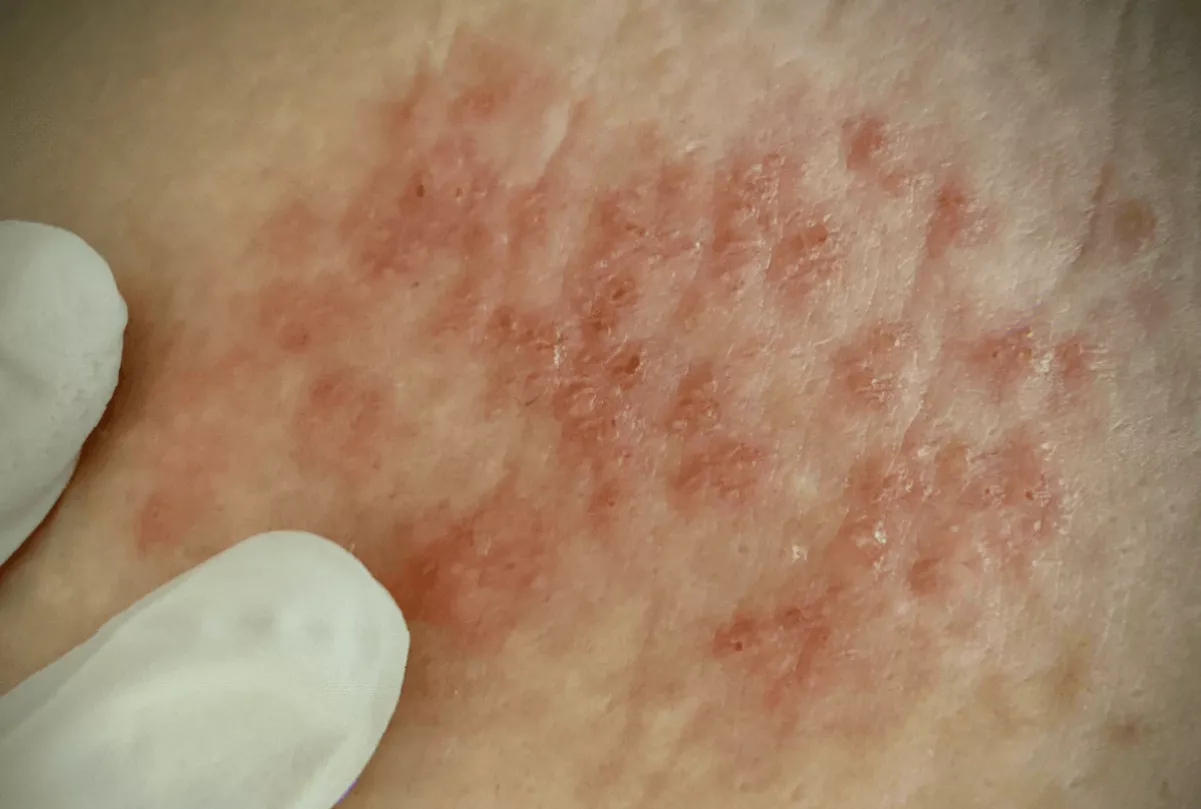
Genital herpes is caused by the herpes simplex virus – predominantly HSV‑2, though HSV‑1, the virus commonly responsible for cold sores, can also cause genital infections. The virus spreads through skin‑to‑skin contact during vaginal, anal or oral sex, and crucially, it can be transmitted even when no visible sores are present. This phenomenon, known as asymptomatic shedding, is a significant driver of transmission, particularly in the first year after infection. The virus can also spread when a cold sore touches the genital area.
According to UKSHA data, genital herpes accounted for 8.6 per cent of all new STI diagnoses in 2025, up from 7.6 per cent the previous year. The diagnosis rate stood at 14.1 per 100,000 population. There is no cure for genital herpes, but antiviral medications such as Aciclovir and Valtrex can manage symptoms and shorten outbreaks. No routine screening test exists; individuals are generally advised to test only if they develop symptoms. Estimates suggest around one in eight adults in the UK have genital herpes, and up to 80 per cent of those infected may be unaware they carry the virus. HSV‑1 is estimated to affect between 50 and 70 per cent of British adults, while HSV‑2 affects roughly 10 to 15 per cent. A mid‑1990s study of England and Wales found antibodies to HSV‑2 in 3.3 per cent of men and 5.1 per cent of women, though more recent figures indicate higher prevalence.
Overall STI decline masks persistent inequalities
The rise in genital herpes stands in contrast to an eight per cent drop in overall STI diagnoses across England in 2025. Total new infections fell from approximately 364,000 to 334,151. Chlamydia remains the most commonly diagnosed STI, accounting for nearly half of all cases, followed by gonorrhoea and then genital herpes. Reductions were recorded for chlamydia, gonorrhoea and syphilis overall.
However, the pattern is not uniform. Syphilis diagnoses among gay and bisexual men fell by 19 per cent to their lowest level since 2016, yet heterosexual women saw a five per cent rise in syphilis cases over the same period. Young people aged 15 to 24, gay and bisexual men, and individuals from certain minority ethnic groups continue to bear a disproportionate burden of STIs. The COVID‑19 pandemic caused a sharp drop in testing and diagnoses, and while numbers have climbed since restrictions lifted, they have not returned to pre‑pandemic levels. In 2019, nearly 35,000 new herpes cases were identified. In London, where the highest number of STI diagnoses in England are recorded, genital herpes cases were stable in 2023 at roughly 8,400.
A particular concern for health officials is the nine per cent reduction in chlamydia testing among young women aged 15 to 24 in 2025 – from 604,143 tests in 2024 to 547,308. Left untreated, chlamydia can cause pelvic inflammatory disease and lead to fertility complications. The overall decline in STI testing and treatment has been exacerbated by real‑terms cuts to the public health grant that funds local authority sexual health services. A Guardian analysis found council spending on sexual health in England had fallen by more than a third since 2013. Despite decreases in some diagnoses, hospital admissions for easily treatable STIs such as syphilis, chlamydia and gonorrhoea have risen, indicating pressure on clinic capacity.
The stigma surrounding genital herpes can also deter people from seeking testing or disclosing to partners. The Herpes Viruses Association notes that stigma is often the most serious consequence for those affected.
Testing and prevention advice
Dr Hamish Mohammed, a consultant epidemiologist at the UK Health Security Agency, said: “These infections can cause serious harm. If you have had sex with a new or casual partner without a condom, it’s important to get tested even if you don’t have symptoms.” He highlighted the drop in chlamydia screening among young women as a matter of particular concern. “Sexually active young women are encouraged to test for chlamydia after sex with a new partner or annually,” he added. Condoms remain an effective method for preventing the transmission of many sexually transmitted infections.