

Young women under 50 are being diagnosed with breast cancer at a significantly higher rate than before, with new figures showing a 5% rise in cases among those aged 25 to 49 in just one year. Between 2022 and 2023, the number of diagnoses in this age group increased sharply, and over the longer term the trend is even more stark: incidence among women aged 30 to 39 rose almost fourfold between 2000 and 2021, according to analysis cited by the breast cancer awareness charity CoppaFeel!.
Currently, around 2,500 people under the age of 40 are diagnosed with breast cancer in the UK each year — an average of seven every day. The condition is a leading cause of death in women under 50, and among those aged 25 to 49 it accounts for nearly a third of all cancer deaths in that age bracket, based on 2016-2018 data.
Late-stage diagnosis far more likely in younger women
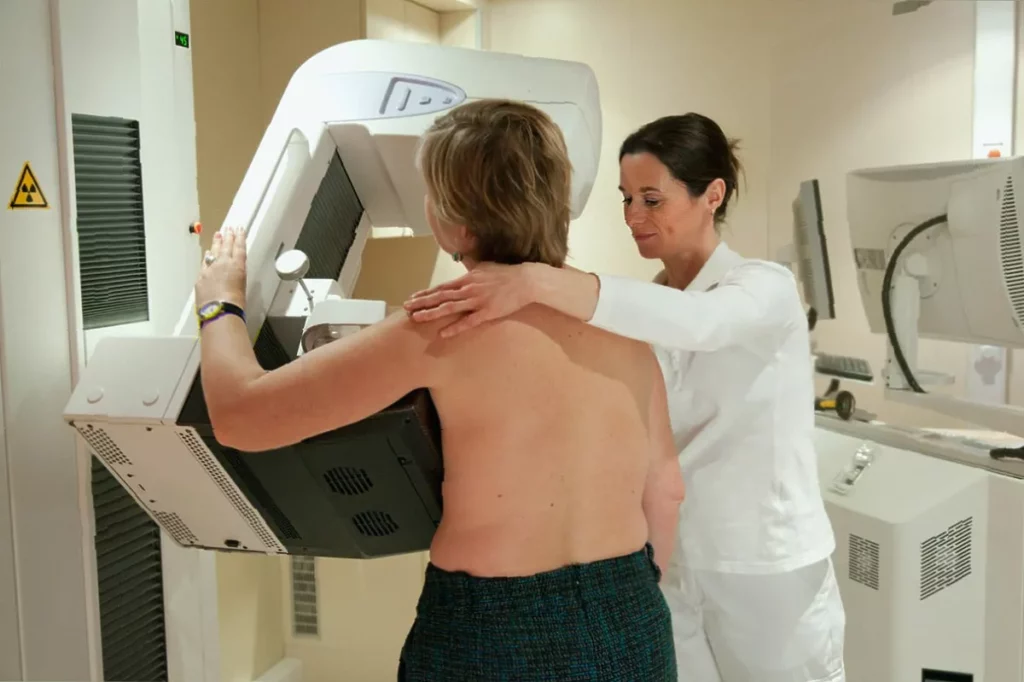
Patients diagnosed with breast cancer before the age of 50 are almost twice as likely to have late-stage cancer compared with women in their sixties. For those under 25, the risk is more than double. Despite these figures, the NHS Breast Screening Programme currently only routinely invites women aged 50 to 70 for mammograms every three years, with invitations typically sent between a woman’s 50th and 53rd birthday. Women over 70 can request screening but are no longer automatically invited.
The gap between rising incidence and the age threshold for routine screening has fuelled growing calls for a shift towards risk-based screening rather than one based solely on age. CoppaFeel! is advocating for a pilot of a seven-minute risk assessment that would take into account family history, genetic predispositions and breast density, identifying individuals who might benefit from earlier or more frequent checks.
Women at higher risk due to family history or known genetic mutations can already access screening before 50. Those with BRCA1 or BRCA2 mutations, for example, are recommended yearly MRI scans from the age of 30, while women with a TP53 gene change are advised to have yearly MRIs from age 20. For others with elevated risk, annual mammograms may begin in their forties, and MRI scans or mammograms may be used depending on the specific factors involved.
‘Routinely dismissed’ – the challenge of being taken seriously
Sophie Dopierala-Bull, director of services and engagement at CoppaFeel!, said: “Early diagnosis depends too heavily on whether young people know their bodies, whether they feel confident seeking help, whether they can access healthcare, and whether they are taken seriously when they get there.” The charity highlights that younger people with symptoms are sometimes “routinely dismissed” by health professionals, reinforcing the need for clinicians to consider breast cancer a possibility regardless of a patient’s age.
One in five new female breast cancer cases in the UK — around 59,000 diagnoses annually, or roughly 160 each day — occur in women under 50. Yet the vast majority of these women fall outside the routine screening age. CoppaFeel! argues that the system places too great a burden on individuals to recognise changes themselves, and that integrating breast awareness into routine NHS appointments could help bridge the gap.
What to look for: symptoms beyond a lump
The charity has run several campaigns to challenge the misconception that breast cancer only starts with a lump. The #GetItOffYourChest campaign educates on the full range of signs and symptoms, while ‘What Normal Feels Like’ encourages people to understand what is normal for their own breasts and check regularly. Common symptoms that should prompt a visit to the GP include a new or different lump or swelling in the breast, chest or armpit; changes in the size or shape of one or both breasts; skin changes such as thickening, redness, dimpling (which can resemble orange peel) or puckering; nipple changes including inversion, flattening, rash, crusting or soreness; nipple discharge that is clear or bloody (if not breastfeeding); persistent pain in the breast or nipple unrelated to the menstrual cycle; and swelling or lumps in the armpit, where breast cancer often spreads to lymph nodes first.
While breast pain alone is rarely a sign of cancer, persistent pain warrants investigation, experts stress.
Risk factors and future directions
Alongside age, a range of factors influence breast cancer risk. Genetics and family history play a significant role — young women diagnosed with breast cancer are more likely to carry a known genetic mutation, such as BRCA1, BRCA2, PALB2, CHEK2 or ATM. Dense breast tissue is associated with higher risk and can also make mammograms less effective. Lifestyle factors including alcohol consumption, smoking (particularly starting young), obesity (especially after menopause) and lack of physical activity are linked to increased risk. Hormonal factors — early menstruation before age 12, late menopause after 55, certain types of hormonal contraception and hormone replacement therapy — can influence risk through prolonged oestrogen exposure. Having a first pregnancy after 35 increases long-term risk, while pregnancy at any age can raise short-term risk. Exposure to ionising radiation from previous X-rays or radiotherapy is also a known risk factor. Research continues into the role of environmental chemicals, particularly endocrine-disrupting chemicals, in breast cancer development.
The push for earlier detection has been strengthened by evidence on survival. In England, almost all women — 98% — survive breast cancer for five years or more if diagnosed at the earliest stage. That rate drops sharply with later diagnosis, and cancers caught early often require less aggressive treatment, leading to shorter hospital stays, fewer side effects and a quicker return to normal life.
CoppaFeel! is also calling for clinical breast cancer trials to include a more representative proportion of patients under 50. Research is exploring advanced imaging methods such as MRI, automated breast ultrasound and contrast-enhanced mammography to improve detection, particularly in women with dense breasts. Artificial intelligence is being investigated for its potential to identify women at higher risk from mammogram data, which could inform future screening programmes.
The charity has launched a series of creative campaigns to normalise breast checking and desexualise breasts, including ‘Cheknominate’, ‘Boob Hijack’ and ‘Feelings’, which features young women sharing their emotional journeys through diagnosis and survival. Sophie Dopierala-Bull added: “Early diagnosis depends too heavily on whether young people know their bodies, whether they feel confident seeking help, whether they can access healthcare, and whether they are taken seriously when they get there.”