

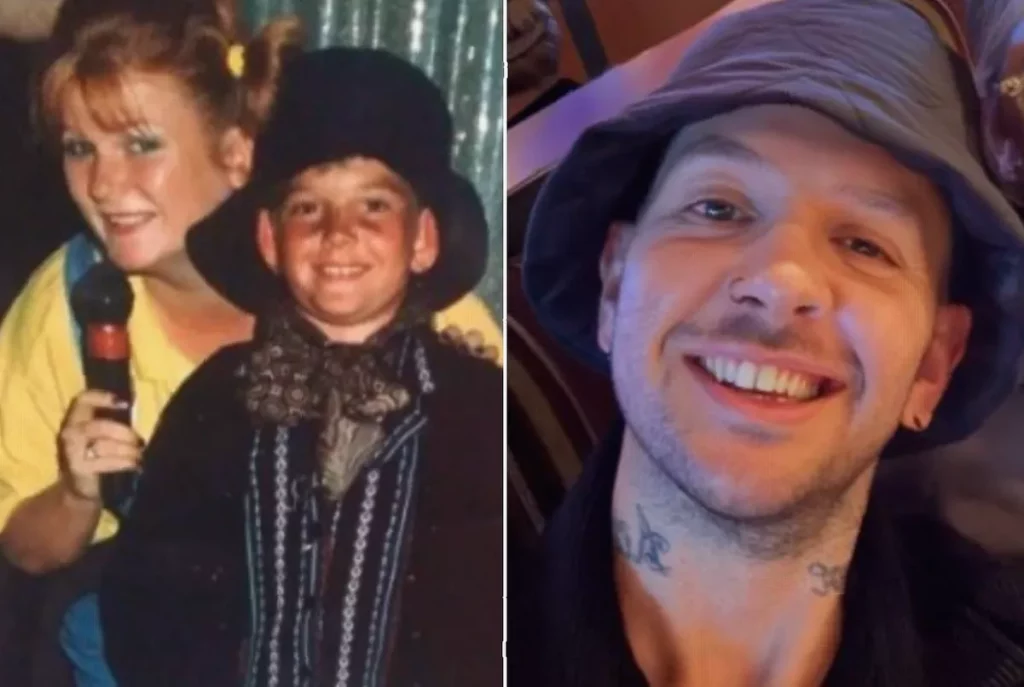
A Plymouth vocalist who appeared on The Voice UK has died from advanced oesophageal cancer at the age of 37, just weeks after his diagnosis, after what his family say were years of doctors dismissing his symptoms as heartburn.
Dean Boroczky, who performed under the stage name Dean Franklin, was diagnosed with stage four oesophageal cancer that had already spread to his liver and lymph nodes by the time it was discovered. His mother, Marie Boroczky, is now campaigning to raise awareness of the danger of persistent heartburn, after Dean repeatedly visited his GP over several years with symptoms that she says were dismissed every time.
“He kept getting diagnosed with heartburn. He’d go to the doctor, and they’d give him medicine for heartburn,” Marie recalled. On each occasion, medication was prescribed without further inquiry into the underlying causes. “He was getting pains in his stomach, and they didn’t link it at all. It really wasn’t picked,” she added.
Family’s campaign to raise awareness
Marie said Dean himself felt that something was not right but was not listened to. “He wanted to raise awareness; he felt that something wasn’t quite right, but he wasn’t listened to,” she said. “He was constantly in pain, and the hospital arranged for him to have more medication, morphine and things like that, and while I was with him then, I noticed that he’d developed jaundice and said I think we need to contact someone.”
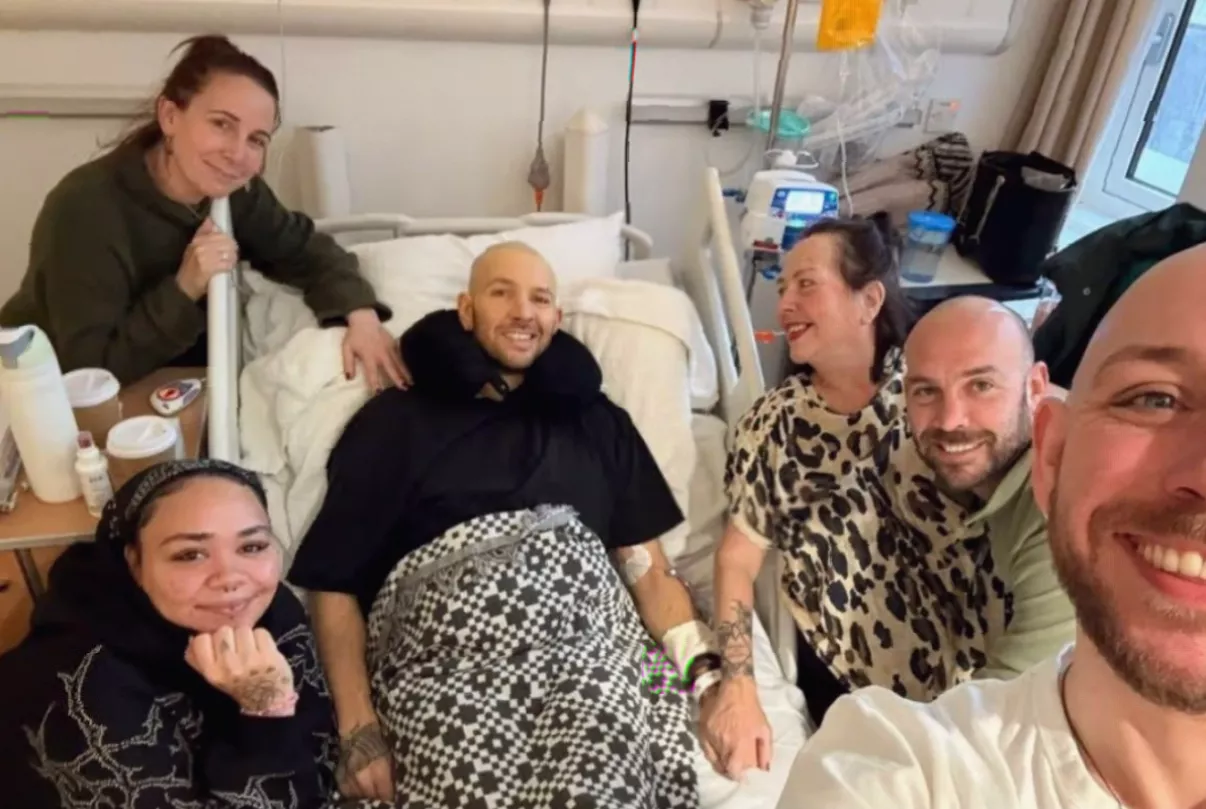
Dean’s condition deteriorated in 2025 when he presented himself at A&E with worsening symptoms. A series of tests then uncovered advanced oesophageal cancer that had metastasised extensively. Faced with a terminal diagnosis, Dean showed remarkable resilience. Marie noted: “There was a chance he could have immunotherapy, and a professor was doing clinical trials, so we discussed all those things. He knew there was no cure, we were told he could have 12 months if the chemo was successful.”
Dean’s story: from The Voice to terminal diagnosis
Dean performed as Dean Franklin on The Voice UK in 2016, mentored by Paloma Faith, and went on to perform internationally. He passed away just eight weeks after his diagnosis. Before his death, he fulfilled a deeply personal wish by staging an open-air performance in London that drew an extraordinary crowd. “I’d say there were 2,300 people watching,” Marie said. “He managed to do five different songs.”
Dean also set up a GoFundMe page to help with financial pressures caused by his inability to work during treatment. In a post on Instagram in December 2025, he revealed that his cancer had spread to his liver and noted that he had “almost no symptoms from the esophagus itself,” adding that “all my symptoms came once it spread to my liver.”
The link between persistent heartburn and oesophageal cancer
Persistent heartburn or gastro-oesophageal reflux disease (GORD) is a significant risk factor for oesophageal cancer. Chronic acid reflux can damage the lining of the oesophagus, leading to a precancerous condition called Barrett’s oesophagus, which increases the risk of cancer developing. Medical experts emphasise that recurrent daily heartburn is not normal and should be investigated by a doctor rather than self-treated with over-the-counter medications.
Oesophageal cancer is more common in older adults, with the highest incidence around ages 85 to 89, but rates are increasing in younger men. The oncologist treating Dean told his family that because of his age, a GP would not typically suspect oesophageal cancer – difficulty swallowing is a more common symptom in older patients. Marie said: “As the oncologist told us, because of his age, you’d usually present to the GP with difficulty swallowing. It’s very unrecognised in GPs to push forward for tests because of his age.” She added: “It’s very unknown, until we travelled this path with Dean, we weren’t aware of it. It’s really opened our eyes.”
The prognosis for stage four oesophageal cancer is challenging. Around 5% of patients with stage four oesophageal cancer survive for four years or more, and the five-year relative survival rate for distant-stage disease is about 5%. Overall in the UK, around 45% of adults with oesophageal cancer survive for at least one year, and more than 15% survive for five years or more. Younger patients generally have better outcomes: one in three females aged 15 to 44 survive for ten years or more, compared with fewer than one in ten aged 75 to 99.
Treatment options have advanced in recent years. Immunotherapy drugs such as nivolumab (Opdivo) and pembrolizumab (Keytruda) are being used and researched for oesophageal cancer. Nivolumab has been approved on the NHS in England for certain patients who have had chemotherapy, radiotherapy and surgery, to help delay recurrence. Pembrolizumab may be offered alongside chemotherapy for advanced cancer. Targeted therapy with trastuzumab can be given with chemotherapy for advanced oesophageal adenocarcinoma if the cancer is HER2-positive. Clinical trials continue to explore new treatments, diagnostic methods and surgical techniques.
Warning signs to look for
Early oesophageal cancer often has no symptoms, which contributes to late diagnosis. When symptoms do appear, they can include difficulty swallowing (dysphagia), which may feel like food is stuck in the throat or chest and can progress from solids to liquids; chest pain, pressure or a burning sensation often mistaken for heartburn; persistent indigestion or heartburn that does not go away; unexplained weight loss; hoarseness or a chronic cough; vomiting; jaundice; pain in the throat or behind the breastbone; feeling full quickly; bloating; persistent hiccups; bone pain (if the cancer has spread to bone); and black, tar-like stools indicating bleeding. Anyone experiencing persistent heartburn or any of these symptoms is urged to see their GP for further investigation.