

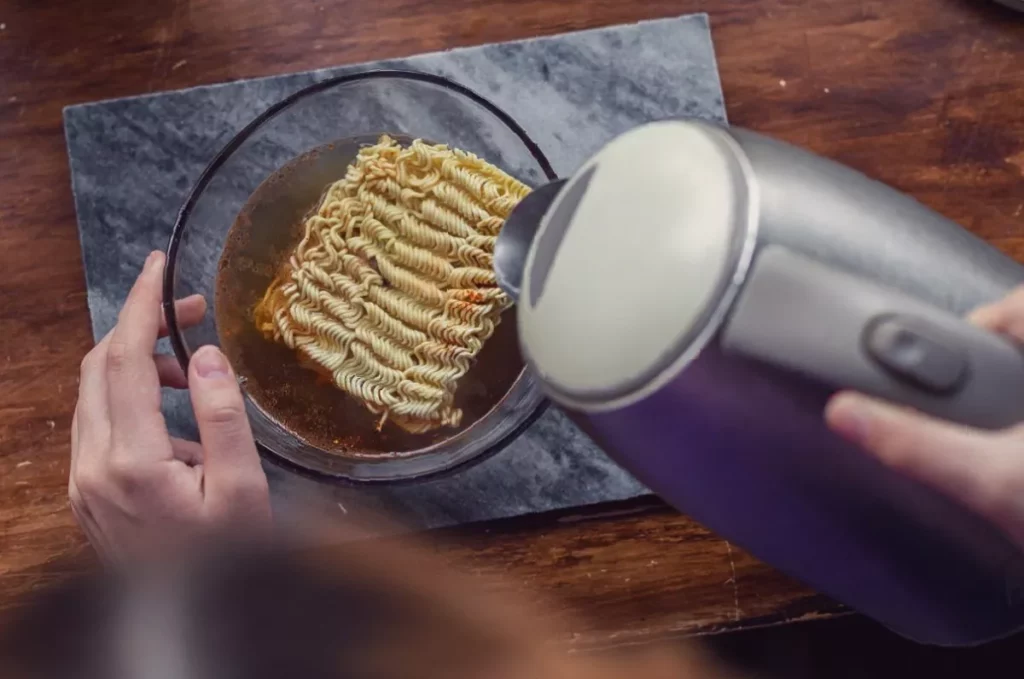
Eighty people across Europe and Britain are ill from Salmonella in an outbreak that investigators suspect may be linked to instant noodles. The European Centre for Disease Prevention and Control (ECDC) has recorded 83 confirmed cases of Salmonella Stanley ST2045 as of 5 June, with infections dating back to the end of December 2025. Children and young adults account for most of those affected, and twenty patients have required hospital treatment.
The outbreak has spread across at least nine countries: Britain, Austria, Czechia, Denmark, Estonia, France, Germany, Lithuania and the Netherlands. Cases have also been reported in the United States. In England alone, eight of the patients linked to the outbreak were children, and six people were hospitalised. A further 26 unsequenced cases may also be connected, health authorities said.
The UK Health Security Agency (UKHSA) confirmed it is participating in the international investigation. Gauri Godbole, Deputy Director of Gastrointestinal Infections at the agency, said: “We are supporting an ongoing investigation into an international Salmonella outbreak, with most reported cases occurring in children and young people.” In Denmark, patients ranged in age from 5 to 22, with a median age of 11.5.
Instant noodles under scrutiny as contamination source
Investigators have zeroed in on chicken-flavoured instant noodles and processed chicken products as the suspected vehicles of infection. According to Godbole, “Current findings indicate that chicken-flavoured instant noodles and/or processed chicken products are the suspected sources of infection, potentially linked through a shared ingredient.” The ECDC and the European Food Safety Authority (EFSA) are conducting a joint rapid outbreak assessment, due to be published by 1 July.
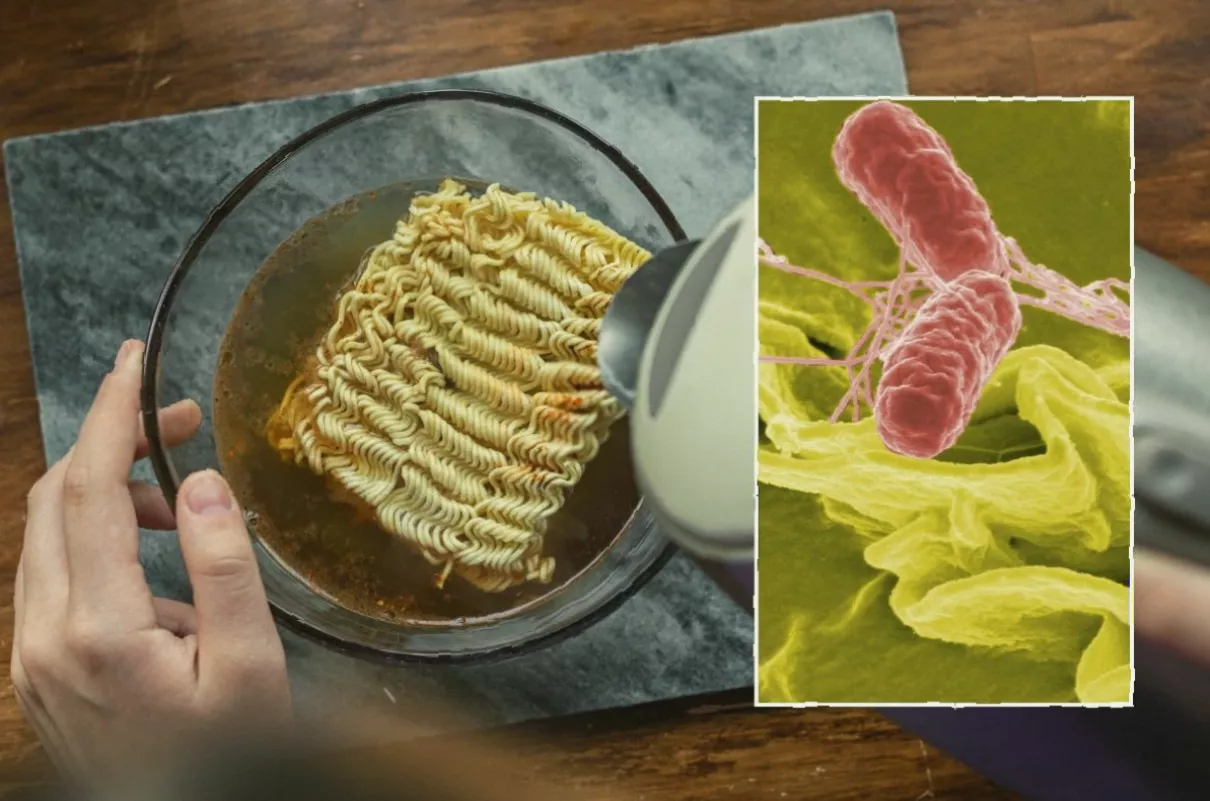
Epidemiological work across affected countries has revealed that several infected individuals consumed instant noodles without properly cooking them, and multiple cases have been linked to the same brand. The ECDC cautioned, however, that not every infection can be attributed to noodle products, and that “investigations are still ongoing and more cases might be expected.”
Instant noodles are not designed to be eaten raw. Officials stressed that the noodles and their accompanying seasoning packets should not be treated as ready-to-eat products; they must be cooked thoroughly. The contamination pathway is not yet confirmed, but the suspicion centres on a shared ingredient used in the production of both the noodles and processed chicken items. This pattern echoes previous Salmonella Stanley outbreaks: between 2011 and 2013, an outbreak affecting 10 EU countries with 710 cases was traced to turkey meat, and a 2012 outbreak in six European countries was also linked to the turkey production chain. In 2020, a US outbreak of the same serotype was linked to wood ear mushrooms, and in 2001, Australian investigators isolated Salmonella Stanley from imported peanuts.
The ECDC assessed the overall infection risk for the general population as very low, and low for younger age groups, provided cooking guidelines are followed. But the agency acknowledged that the outbreak is still active and that new cases may emerge.
Health advice for the public
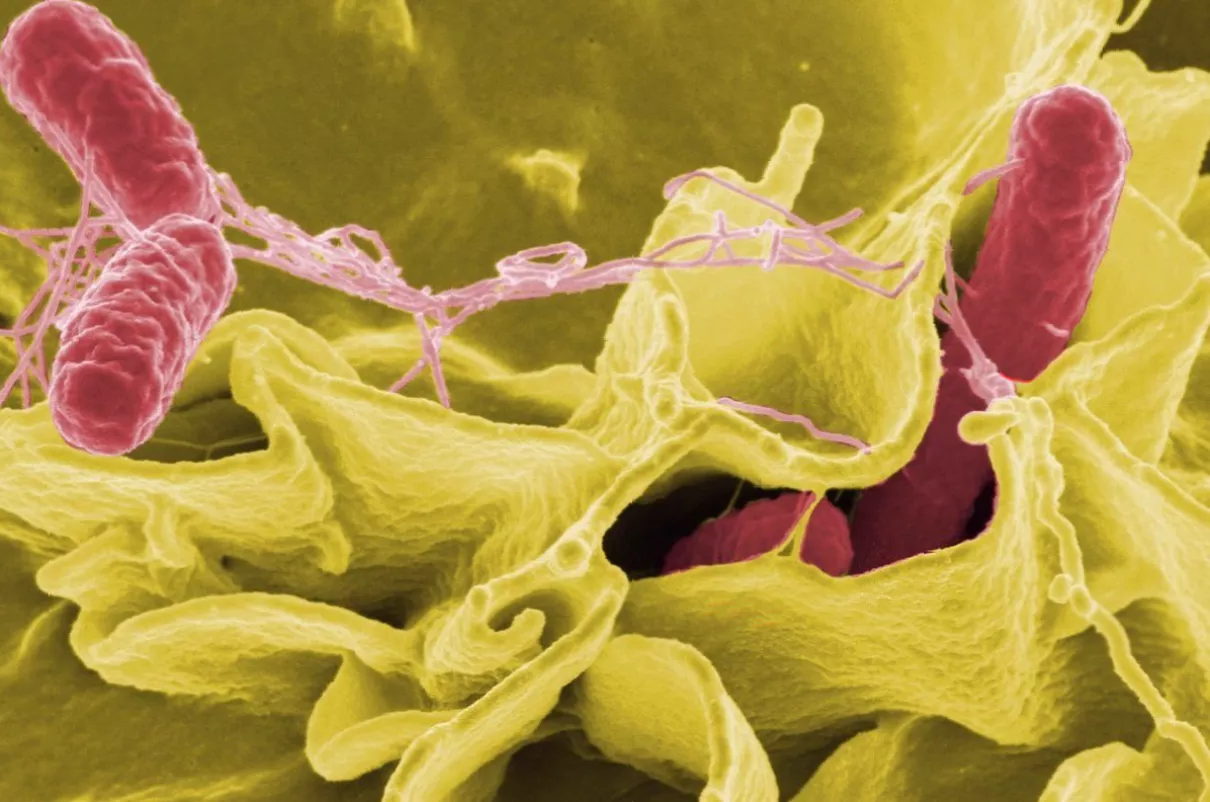
Salmonella infections typically appear between 12 and 36 hours after exposure to contaminated food or animals. Common symptoms include diarrhoea, stomach cramps, fever and vomiting. Headache, nausea and loss of appetite have also been reported. Most people recover within four to seven days without specific medical treatment, but vulnerable groups face greater risks. Young children, pregnant women, elderly individuals and those with underlying conditions such as cancer, diabetes or liver and kidney disease are more likely to develop severe complications.
In rare cases, the infection can lead to reactive arthritis — causing joint pain, eye irritation and painful urination that may persist for months or years. The bacteria can also spread to the bloodstream, bones, joints or brain, potentially causing life-threatening illness if not treated promptly.
Godbole advised thorough handwashing after using the toilet and before handling food, ensuring food is cooked properly, and avoiding preparing food for others when symptomatic. The ECDC and EFSA continue to monitor the situation closely. Separately, England recorded its highest number of non-typhoidal Salmonella cases in a decade in 2025, with 10,406 reported cases — a slight increase on 2024 and the highest figure since data collection began in 2016.