


Prostate cancer is a ‘silent’ killer, often showing no early symptoms – a dangerous misconception that can delay diagnosis until the disease has already progressed. The condition, which claims around 12,300 lives each year in the UK, frequently develops without any warning signs, meaning men who feel perfectly healthy may still have the disease growing inside them.
Why prostate cancer is often symptomless
The NHS explains that the reason this form of cancer often has no symptoms at first is that tumours frequently grow on the outer part of the prostate, away from the urethra. As a result, they may not affect urination until they have grown or spread to other parts of the body. This anatomical quirk means that men can dismiss the need for routine check-ups, assuming they would know if something was wrong.
Dr Karen Faulkner, Associate Medical Director at Panthera Clinic, says this is a widespread myth. “We know that men are less likely to engage with preventative healthcare, particularly when they aren’t experiencing symptoms,” she told the newsroom. “However, when cancers are identified earlier, there are often more treatment options available, and outcomes can be significantly improved.” A survey by Cleveland Clinic London found that one in four UK men are unsure of the signs of prostate cancer, while 27% said they only visit a doctor when they feel unwell. Nearly half – 48% – of those surveyed were unaware of their personal risk factors for the disease.
Dr Faulkner added: “Feeling healthy and being healthy are not always the same thing.”
Key risk factors: age, ethnicity and family history
Prostate cancer is the most common cancer in men in the UK, with around 57,000 new cases diagnosed each year, and research indicates that number could rise to more than 85,000 annually by 2038–2040. The risk increases significantly with age, with incidence rates highest among men aged 75 to 79. However, the younger a man is when diagnosed, the more likely the cancer is to be aggressive.
Ethnicity is a major factor. Black men are twice as likely to develop prostate cancer and often at a younger age – in the UK, one in four Black men will be diagnosed with the disease in their lifetime. Family history also plays a crucial role: having a father or brother who has been diagnosed with prostate cancer can increase a man’s risk by two and a half times, with elevated risk beginning from age 45. Specific gene variants, such as BRCA2, are also linked to increased risk. Emerging research from Cleveland Clinic London suggests that diet-associated molecules in the gut, such as phenylacetylglutamine (PAGln), and nutrients like choline and betaine found in animal products, may be linked to a higher risk of aggressive prostate cancer.
Dr Faulkner stresses that while these factors cannot guarantee anything, they can help medical professionals decide if advanced testing or further investigation is appropriate.
The screening debate: a contentious issue
Unlike breast, bowel and cervical cancer, the UK does not have a national screening programme for prostate cancer. The UK National Screening Committee (UKNSC) has advised against widespread screening using the Prostate-Specific Antigen (PSA) blood test, stating it is “likely to cause more harm than good”. The PSA test has significant limitations: around 75% of positive results are false positives, leading to unnecessary anxiety, invasive biopsies and overtreatment, while around 15% of results are false negatives, providing false reassurance. The UKNSC estimates that for every 1,000 men aged 50–60 screened, only two lives might be saved, while up to 20 men could experience overdiagnosis, with 12 potentially being overtreated for slow-growing cancers that may never have caused harm.
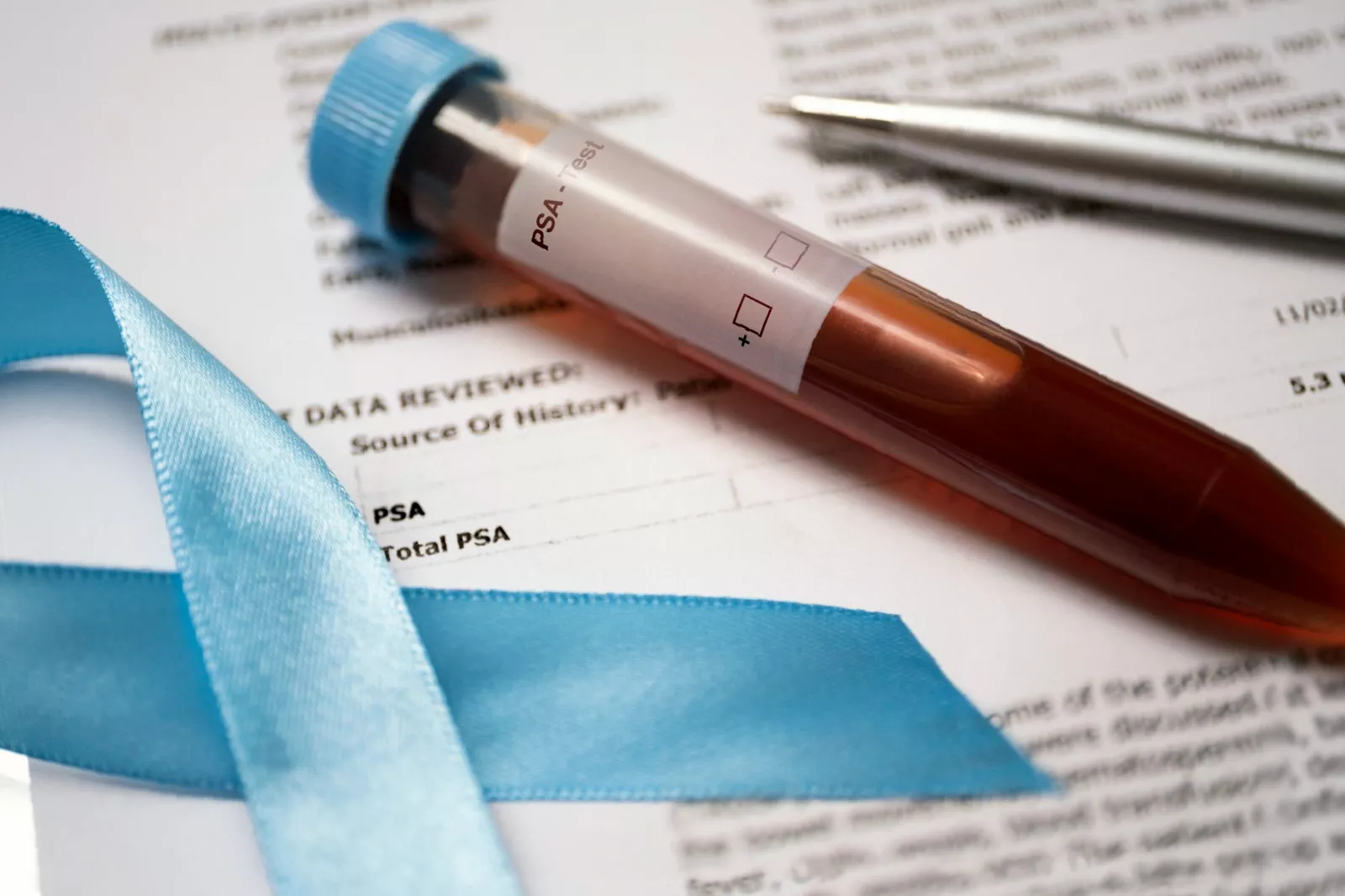
Despite the lack of a national programme, men over 50 can request a PSA blood test from their GP, who will consider individual cancer risk factors to decide if the test is appropriate.
The Clarkson effect: how high-profile diagnoses drive awareness
The recent diagnosis of Jeremy Clarkson, revealed in the latest series of Clarkson’s Farm, has had a powerful impact. The 66-year-old presenter described the disease as “aggressive” but said it had been caught early, and he underwent surgery to remove 10% of his prostate. He admitted that had he not been checked when he was, it “could well have been [his] last harvest”.
Within 24 hours of the episode airing, more than 16,700 men completed Prostate Cancer UK’s online risk checker – the highest number since former Prime Minister David Cameron announced his diagnosis. Prostate Cancer UK also saw over 43,500 website visitors in that 24-hour period, more than double their usual traffic. This phenomenon mirrors past events: the diagnosis and death of Jade Goody from cervical cancer led to a significant increase in cervical screening attendance in the UK, while Kylie Minogue’s breast cancer diagnosis was associated with increased referrals to breast clinics.
Dr Faulkner notes that while every patient’s circumstances are unique, high-profile stories such as this often encourage people to stop and think about their own health.
Advances in treatment bring hope
For those worried about a potential diagnosis, Dr Faulkner has a reassuring message: “A positive test is not the end of the road.” Around three-quarters of men survive for 10 years or more after a prostate cancer diagnosis, with survival rates reaching 78.9% according to the latest UK data. She emphasises that “advances in diagnostics, treatment and ongoing care” have transformed outcomes. Modern treatments such as robotic focal high-intensity focused ultrasound (HIFU) offer less invasive options that target cancer cells while sparing healthy tissue, potentially reducing side effects like incontinence and erectile dysfunction.
Dr Faulkner urges men to use the Clarkson story as a potentially life-saving wake-up call, adding: “Preventative healthcare, awareness of your risk factors and early conversations remain some of the most powerful tools we have.”