

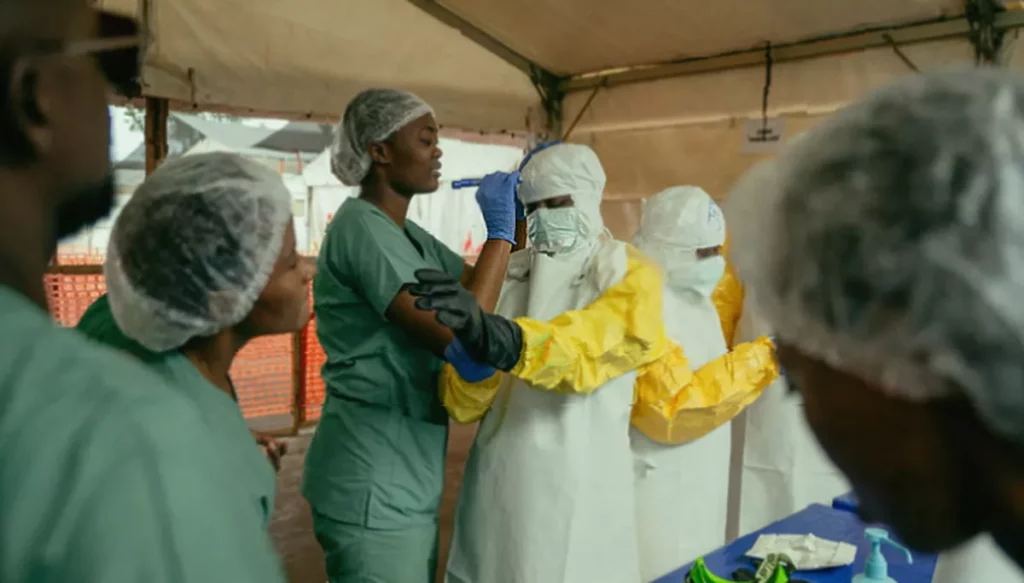
A doctor returning from a humanitarian mission in the Democratic Republic of Congo has tested positive for Ebola in France, the country’s first case of the virus during the current outbreak, the French health ministry said on Wednesday. The patient is being isolated in a specialised facility and is reported to be in a stable condition, while authorities have launched a thorough epidemiological investigation to identify any contacts. Those identified will be required to self-isolate for 21 days and will be closely monitored, the ministry added, stating that the risk to the general European population remains low. France operates a dedicated monitoring system for its aid workers returning from affected areas.
Why the Congo outbreak is spreading so fast
The current Ebola outbreak in the Democratic Republic of Congo has infected more than 1,000 people and killed at least 254, according to figures from the World Health Organization as of late June. The WHO has said this outbreak recorded the largest number of confirmed cases within the first month of any Ebola episode in history. The rapid spread is driven by the disease’s early presence in densely populated urban areas, a departure from previous outbreaks that began in remote rural settings and were contained more quickly.
“What is important is we need to scale up and this outbreak is moving faster than us,” Abdirahman Mahamud, a senior WHO official, told reporters in Geneva after returning from the affected city of Bunia last week. The outbreak is caused by the Bundibugyo strain of Ebola, a rare variant for which there are no licensed vaccines or specific treatments. The strain has been responsible for only three known outbreaks since it was first identified in 2007.
The epicentre of the epidemic lies in eastern Congo’s provinces of Ituri, North Kivu and South Kivu. Cases have also been reported in neighbouring Uganda, where 19 infections and two deaths have been recorded, with no new cases since 5 June, according to health authorities. The US Centers for Disease Control has warned this could potentially become the worst Ebola outbreak yet, with Washington now making a modest contribution to relief efforts after slashing aid to the region at the start of Donald Trump’s second term. The US Health Department said this week it has provided doses of an experimental antibody drug, MBP134 from Mapp Biopharmaceutical, for use in clinical trials to fight the widening outbreak, though it was unclear how many doses will be supplied.
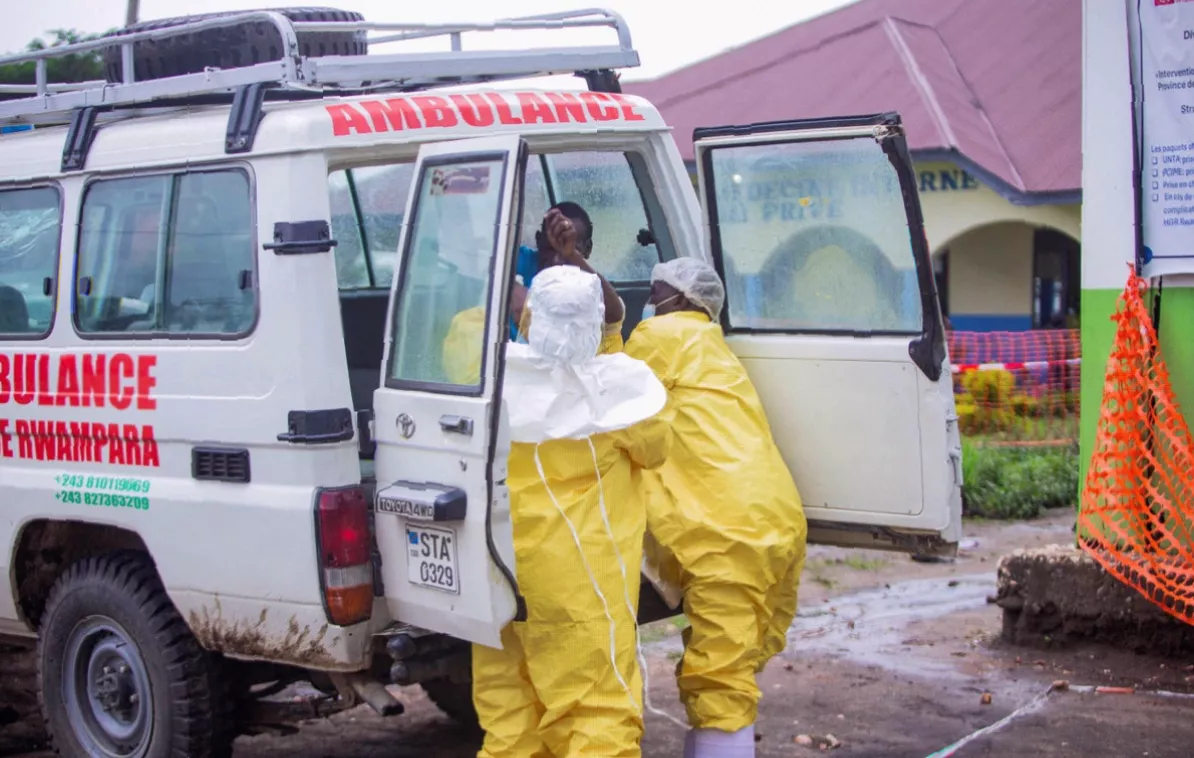
Community mistrust of responders remains a significant challenge, with some populations feeling that outside actors are more concerned with self-protection than local welfare. Insecurity, displacement, population movements, attacks on treatment centres and the spread of misinformation have further hindered containment. The WHO has been working to expand isolation capacity and upgrade treatment facilities in the DRC, increasing the number of treatment beds and scaling up laboratory testing.
Children at greatest risk
Children have made up 15 per cent of confirmed cases and over 25 per cent of deaths since the outbreak began in April, according to UNICEF, the UN children’s agency. Children and adolescents diagnosed with Ebola are almost twice as likely to die as adults. An estimated 2.95 million children in the affected health zones are at risk from the virus itself and the breakdown of essential services such as healthcare and nutrition.
Many children were already vulnerable due to malnutrition, interrupted healthcare and poverty, making them more susceptible to the disease. The outbreak has caused significant psychosocial distress, family separation and loss of caregivers. UNICEF has established nurseries to provide care for infants and young children separated from their parents.
Treatment and historical context
Ebola causes a prolonged high fever, joint or body pain, nausea, diarrhoea, dehydration, rash and in some cases bleeding. There is no specific medicine, though early treatment can improve survival odds. The virus is capable of killing up to 90 per cent of infected people and may remain hidden in recovered patients only to relapse months or years later.
Clinical trials for promising experimental treatments are now under way, focused specifically on the Bundibugyo strain. The trials are being led by Congo, Uganda and the Africa Centres for Disease Control and Prevention, with co-sponsorship from Congolese and French agencies. Experimental drugs being tested include MBP134, remdesivir and obeldesivir. The US has been the largest single-country donor to the Ebola response, investing over $516 million since the outbreak began.
The Ebola virus was first discovered in 1976 during simultaneous outbreaks in Sudan and what was then Zaire. The two largest previous outbreaks were the West Africa epidemic in Guinea, Sierra Leone and Liberia, which killed 11,300 people between 2014 and 2016, and a less fatal outbreak in the DRC in 2018. For many years Ebola was regarded primarily as a localised African disease until the West Africa epidemic brought it to global attention. Nosocomial transmission – infections acquired in hospitals – has been associated with the majority of outbreaks. Recent data suggest some Ebola outbreaks may originate from human-to-human transmission of prior strains rather than solely from wildlife spillover.