

Close Menu
    Useful
    • About Us
    • Contact Us
    • Advertise With Us
    • Health Explainers
    • Our Editorial Team
    Facebook
    HealthNewsDaily.co.uk
    • Home
      • Explainers
    • NHS

      British Medical Association may lay off up to a third of employees amid financial crisis

      4 July 2026

      GB Mums: lenient justice, NHS maternity and child abuse sentences leave children unprotected

      3 July 2026

      Advance heatwave plans needed, not last-minute fixes, Letters say

      3 July 2026

      NHS calls for PMOS checks in women with irregular periods

      1 July 2026

      Months-long neglect of four cancer signs by third of Britons blamed on GP appointment crisis

      30 June 2026
    • Health Policy

      Streeting demands NHS bosses appear before MPs over Nottingham maternity scandal

      4 July 2026

      Hospital waiting list patients to get three weeks’ advance warning under NHS England plans

      3 July 2026

      Britons back morning-after pill sales in corner shops, poll finds

      1 July 2026

      Maternity investigator Ockenden says Amos review offers no fresh insights

      30 June 2026

      Bereaved mother warns England maternity commissioner role poses danger

      30 June 2026
    • Mental Health

      Letter draws attention to parents of adult children neither employed nor studying

      3 July 2026

      England sees one million children seeking help for anxiety and autism

      29 June 2026

      Joanne McNally says bulimia and breakdown in her twenties ultimately transformed her

      27 June 2026

      Dopamine sites become internet’s most dismal craze

      27 June 2026

      Blue Heron film review: a serious, nuanced examination of childhood trauma in 1990s Canada

      25 June 2026
    • Wellness & Lifestyle

      Weight-loss drugs become new battleground after Brexit rows

      4 July 2026

      Hair transplant surgeon champions specific shampoo routine for greater volume and shine

      4 July 2026

      20-minute technique could help England fans stay awake for Mexico World Cup tie

      3 July 2026

      Doctor warns cutting back on fat could sabotage low-cholesterol diet

      3 July 2026

      NHS to cover cost of shopping for 30-minute daily walkers

      3 July 2026
    • Disease & Prevention

      South-east England forecast to reach 34C as week-long heatwave hits

      4 July 2026

      French fatalities jumped 30% during peak week of record June heatwave

      4 July 2026

      Toddler’s tantrums mistaken for typical toddler phase before grave diagnosis

      3 July 2026

      600,000 mosquitos released over Washington DC to exterminate biting pests

      2 July 2026

      Remaining seated for 30 minutes or more raises risk of cancer death

      2 July 2026
    • Treatment & Research

      Woman, 24, had 12 Botox vials injected into face for non-cosmetic reason

      4 July 2026

      Statins: the purpose and risks of cholesterol medication

      3 July 2026

      Extreme fatigue from Long Covid hampers business owner’s ability to run firm

      3 July 2026

      Five-minute habit can cut cancer risk by more than 20%

      2 July 2026

      Over-40s with obesity show cholesterol and blood pressure levels within normal BMI range, research finds

      2 July 2026
    HealthNewsDaily.co.uk
    • NHS
    • Health Policy
    • Mental Health
    • Wellness & Lifestyle
    • Disease & Prevention
    • Treatment & Research
    Home » Disease & Prevention » Australia’s social media ban found ineffective, undermining Keir Starmer’s internet plans
    Disease & Prevention

    Australia’s social media ban found ineffective, undermining Keir Starmer’s internet plans

    Sophie HargreavesBy Sophie Hargreaves25 June 2026
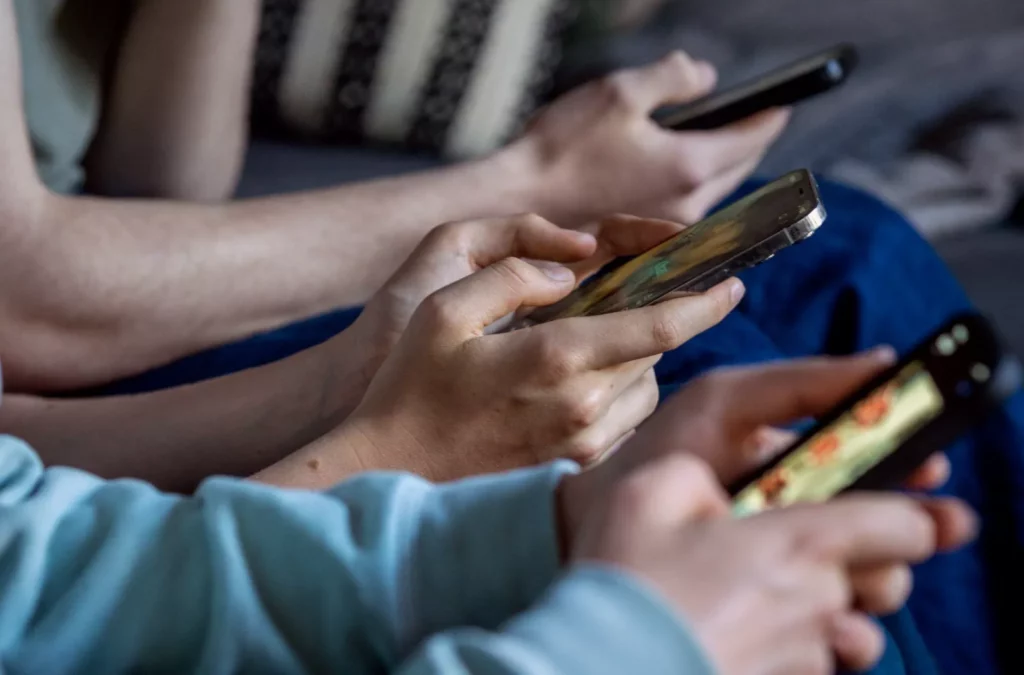
    Teenagers using smartphones and tablets in a living room setting

    Australia’s flagship social media ban for under-16s has failed to deliver any meaningful reduction in the number of young people logging on, according to the first major study of the law’s impact. The findings raise serious questions about the viability of a similar ban proposed by Sir Keir Starmer for the United Kingdom.

    Study Finds Majority of Under-16s Still Online

    Research published in The BMJ examined Australia’s Social Media Minimum Age Act, which came into force in December 2025 and requires platforms including TikTok, Instagram, Snapchat, Facebook, X and YouTube to take “reasonable steps” to prevent under-16s holding accounts. Scientists surveyed 408 Australian 12 to 17-year-olds before the restrictions were introduced and then again three months later.

    More than 85 per cent of under-16s reported using social media platforms covered by the legislation at follow-up, most through their own accounts. Daily social media use among 12 and 13-year-olds remained largely unchanged after the ban. It fell slightly among 14 and 15-year-olds but rose among those aged 16 and over. Statistical analysis found insufficient evidence that the law had substantially reduced overall social media use.

    “Little evidence was found of immediate substantive reductions in reported social media use by adolescents under 16 years,” the authors wrote. The researchers cautioned that longer-term monitoring will be needed before the policy can be fully judged and noted that “the full impacts of the Act may not be evident for a decade.”

    How Young People Circumvented Australia’s Age Checks

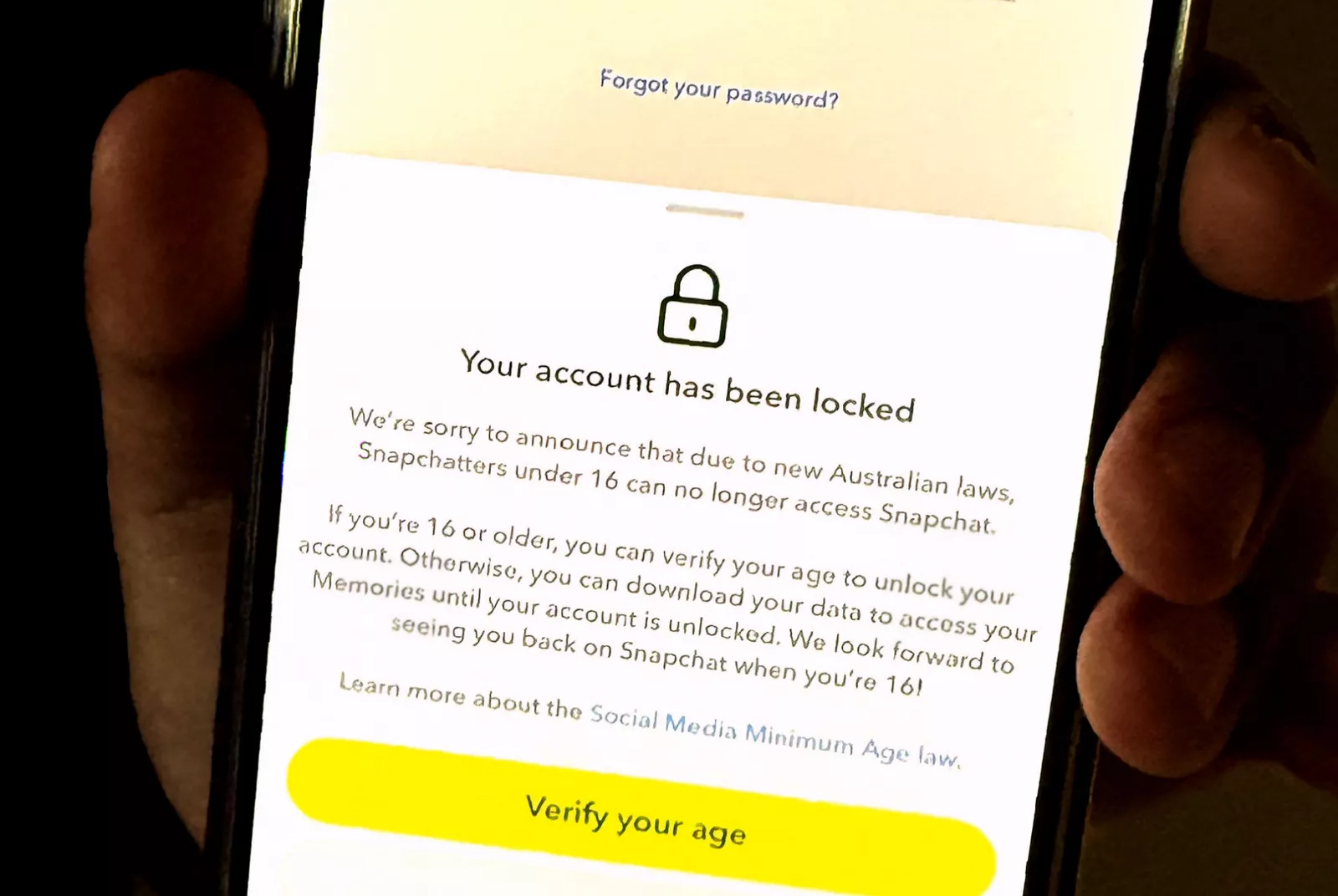
    Two-thirds of adolescents reported encountering age-verification checks, but the measures proved porous. The most common checks involved users declaring their age or uploading a selfie photograph. Researchers found 15 to 19 per cent of under-16s reported using fake accounts, while six to 11 per cent accessed platforms through private or incognito browsers. Some children resorted to drawing beards on their faces to fool AI age-estimation scanners.
    Age-verification pop-up screen on a social media app interface

    The authors described implementation of age-verification measures as “suboptimal” and said the first months after the law came into force had been characterised by “limited implementation, incomplete compliance, and substantial circumvention of social media restrictions.”

    The Australian eSafety Commissioner has raised “significant concerns” about the practices of five major platforms, noting that many under-16s still have or can create accounts. The commissioner admitted the legislation is a “very blunt force approach” and that the regulator lacks comprehensive powers to police the law adequately, comparing the age verification laws to trying to “fence the ocean.” As of mid-January, more than 4.7 million accounts assessed as belonging to under-16s had been removed, deactivated or restricted, but no fines have been issued to tech giants.

    The study suggested the ban might be more effective at preventing or delaying access for children under eight rather than adolescents who already use social media. The initial rationale for the ban, framed as an “emergency firebreak,” has shifted, with politicians now recasting the bans as delays to account opening or ways to reset cultural norms rather than immediate policy solutions.

    UK Proposals and the Growing Debate

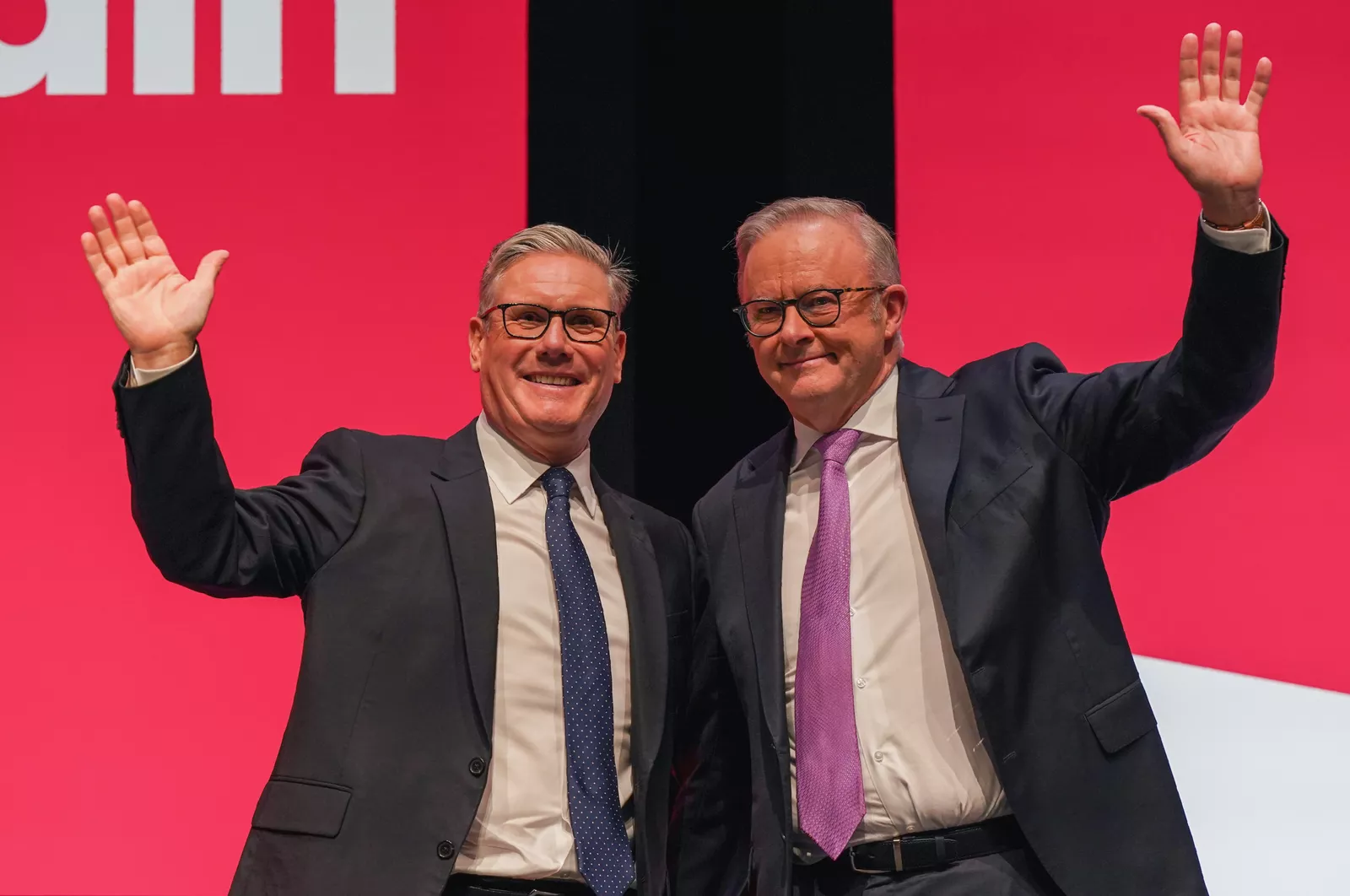
    Sir Keir Starmer announced plans for a UK ban on social media for under-16s, aiming to block millions of children from using platforms such as TikTok, Snapchat, Instagram, X, Facebook and potentially YouTube. The ban, expected to take effect in spring 2027, will also include restrictions on livestreaming and the ability to communicate with strangers on gaming sites. AI chatbots designed to simulate romantic or sexual relationships will be restricted to over-18s, with intimate functions for under-18s banned. Messaging services like WhatsApp and Signal will be exempt.
    Line graph showing daily social media use trends before and after the ban

    Tech companies will be responsible for enforcement, facing potential multimillion-dollar fines for non-compliance. Starmer has acknowledged the challenges of enforcement but expressed belief in its possibility, drawing an analogy to efforts to prevent underage drinking. The UK government claims that up to 90 per cent of British parents support the policy, based on responses to a consultation. The UK plans to use Australia’s model but aims to implement more robust measures.

    Supporters of restrictions argue smartphones and social media are fuelling a mental health crisis among young people. However, critics warn age-verification systems are intrusive, easy to bypass and may do little to tackle the underlying problem. Technology firms including Meta and Snap have argued that blanket bans risk pushing children towards less regulated corners of the internet, where they may be less likely to report harm. Opponents also argue the evidence for such sweeping restrictions remains far from settled, noting that online platforms can provide opportunities for connection, self-expression and access to information, and can support social development and the maintenance of peer relationships.

    Some warn that enforcing age restrictions could jeopardise people’s privacy, requiring intrusive age-verification systems for users of all ages, including photographs, identity documents or other personal data. Earlier this year more than 400 scientists and academics signed an open letter calling for a moratorium on age-assurance systems, arguing that their effectiveness has not been proven and warning they risk creating privacy, security and surveillance concerns while remaining relatively easy for determined young people to bypass.

    Many say the debate has become increasingly driven by political pressure rather than evidence, pointing out that research on social media and mental health remains mixed and that experts continue to disagree about the scale of any harms and the best way to address them. The researchers behind the Australian study stressed that stronger age-assurance systems may be required if governments want such bans to work.

    Share. Facebook Twitter LinkedIn WhatsApp Telegram
    Sophie Hargreaves
    Sophie Hargreaves

    Health Correspondent
    Sophie Hargreaves covers medical research, new treatments, disease outbreaks and prevention for Health News Daily. She holds a Master's degree in Health Sciences from the University of Leeds and has spent several years translating complex medical science into clear, accessible reporting for a general audience. Sophie focuses on the latest clinical trials, NICE and MHRA approvals, vaccination programmes and emerging health threats, always with an eye on what these developments mean for people in the UK.
    · MSc Health Sciences (University of Leeds), science communication volunteer, medical research literacy
    · Clinical trials and drug approvals (NICE, MHRA), cancer screening programmes, vaccination and outbreak response, women's health (endometriosis, PCOS, menopause), weight management treatments, AI in diagnostics

    Related Posts

    Disease & Prevention

    South-east England forecast to reach 34C as week-long heatwave hits

    4 July 2026
    Disease & Prevention

    French fatalities jumped 30% during peak week of record June heatwave

    4 July 2026
    Disease & Prevention

    Toddler’s tantrums mistaken for typical toddler phase before grave diagnosis

    3 July 2026
    Disease & Prevention

    600,000 mosquitos released over Washington DC to exterminate biting pests

    2 July 2026
    Join Our Community & Win

    Each month we select one lucky follower to receive a prize from our partners. Follow us on our social channels for your chance to win.

    • Facebook
    Latest
    Health Policy

    Streeting demands NHS bosses appear before MPs over Nottingham maternity scandal

    4 July 2026
    Disease & Prevention

    South-east England forecast to reach 34C as week-long heatwave hits

    4 July 2026
    Treatment & Research

    Woman, 24, had 12 Botox vials injected into face for non-cosmetic reason

    4 July 2026
    NHS

    British Medical Association may lay off up to a third of employees amid financial crisis

    4 July 2026
    Wellness & Lifestyle

    Weight-loss drugs become new battleground after Brexit rows

    4 July 2026
    Wellness & Lifestyle

    Hair transplant surgeon champions specific shampoo routine for greater volume and shine

    4 July 2026
    News Categories
    • NHS
    • Health Policy
    • Mental Health
    • Wellness & Lifestyle
    • Disease & Prevention
    • Treatment & Research
    Help
    • About Us
    • Contact Us
    • Advertise With Us
    • Health Explainers
    • Our Editorial Team
    About Us
    About Us

    Health News Daily provides trusted UK health news, covering NHS updates, medical research, public health and wellbeing with clear and reliable reporting.

    Facebook
    • Cookie Policy
    • Privacy Policy
    • Complaints Policy
    • Corrections Policy
    • AI Disclosure Policy
    • Editorial Policy & Ethics
    • Accessibility Statement
    • Medical Disclaimer
    • Terms & Conditions
    • Sponsored Content Disclosure
    • Copyright Notice
    © 2026 Healthnewsdaily.co.uk. All rights reserved.

    Type above and press Enter to search. Press Esc to cancel.