

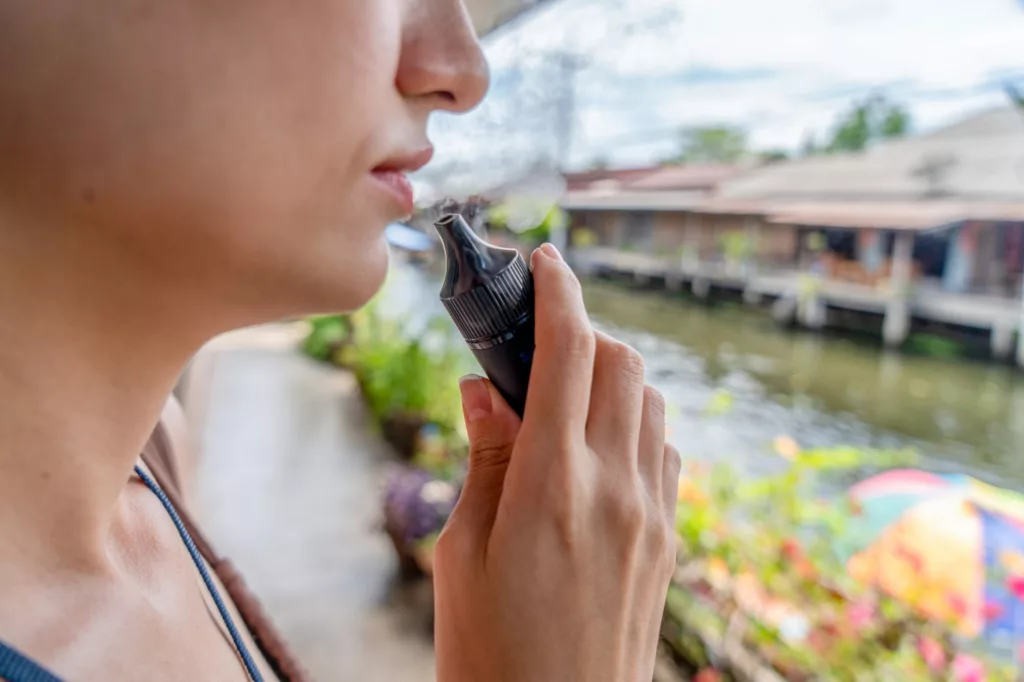
Disposable vape ban fails, pushing users back to cigarettes, new research suggests. A year after ministers outlawed single-use vapes in a bid to tackle plastic waste and curb youth vaping, studies indicate that one in six people who previously used disposable vapes have either relapsed to smoking tobacco or started smoking more since the ban was introduced. The findings raise fresh questions about whether the Government’s flagship crackdown has delivered the environmental and public health benefits promised when it came into force last June.
Relapse to smoking: unintended consequences of the ban
A survey of 6,000 UK adults, conducted by Opinium for vaping manufacturer ELFBAR, found that 16 per cent described themselves as regular smokers, compared with 15 per cent in December 2025 and 14 per cent in December 2024. The data suggests the legislation may have disrupted quit attempts for smokers who had previously used single-use vapes. Eve Peters, director of government affairs for ELFBAR, said: “Disruption to established product categories can have unintended consequences, including relapse for some smokers.”
Further research underscores the scale of the shift. Among those who previously used disposable vapes, 16 per cent have either returned to smoking or are smoking more. Some have switched to traditional cigarettes (41 per cent), nicotine pouches or snus (44 per cent), or other alternatives. Industry stakeholders, including ELFBAR, emphasise vaping’s critical role in helping smokers quit and argue that proportionate regulation is needed to support smokers in making the switch. University of Bristol researchers, who conducted qualitative work on how young adults anticipated the ban would affect them, highlighted the risk of increased smoking. UCL researchers similarly suggested the ban might have a limited impact on overall vaping rates as users were already transitioning to reusable vapes.
Concerns about youth vaping have, however, seen some progress. According to YouGov polling commissioned by ASH, the proportion of 11 to 17-year-old vapers who mainly used disposable products fell from 42 per cent immediately before the ban to 13 per cent this year. Among adult vapers, the equivalent figure fell from 24 per cent to 8 per cent. More than seven in ten daily vapers (72 per cent) who previously used single-use devices have switched to reusable vapes, with around 80 per cent buying separate refills. Nevertheless, ASH data indicates that 7 per cent of 11 to 17 year olds currently vape, and 20 per cent have tried vaping. The marketing of vapes, including enticing flavours and packaging, remains a concern for appealing to children.
Environmental impact: waste persists despite bans
The environmental picture also appears less successful than ministers had hoped. According to estimates from recycling campaign group Material Focus, around 6.3 million vapes and vape pods are still being thrown away every week, part of more than 1.18 billion thrown away over the past four years, as users switch to rechargeables that are themselves often binned. Before the ban, an estimated 5 million disposable vapes were being discarded weekly, equating to eight per second. While the current figure represents a reduction of approximately 23 per cent compared to the previous year, it indicates the problem persists.
The environmental damage is severe. Discarded vapes release toxic substances like lead and mercury into soil and water, harming ecosystems. Plastic components are extremely slow to biodegrade, breaking down into microplastics that can enter food chains. Valuable materials including lithium, cobalt, and copper are also wasted. The lithium-ion batteries pose a significant fire risk: in 2023, over 1,200 battery fires occurred in bin lorries and waste sites across the UK, a 70 per cent increase from the previous year. Waste management companies report daily fires caused by discarded vapes.
A major barrier to recycling is lack of public awareness. While 78 per cent of vapers knew devices should not be disposed of in household rubbish, more than a quarter still admitted throwing away pods or devices in general waste bins. Nearly half said they would be more likely to recycle if collection points were easier to access. Further, 47 per cent of vapers do not know their devices can be recycled, and 80 per cent feel there is not enough information available on how to do so. Although it is compulsory for vape retailers to provide in-store recycling bins, accessibility and information remain issues. Many vapers would be more likely to recycle if collection points were more convenient or if retailers offered take-back schemes.
Black market: seizures and enforcement gaps
Meanwhile, the illegal vape trade appears to be flourishing despite the ban. Figures compiled from Freedom of Information requests found authorities seized around 1.3 million illicit vaping products over the past year, with an estimated street value of more than £10 million. This was part of nearly 4.9 million devices taken across three years, worth an estimated £39 million. More than 255,000 illegal disposable vapes were seized in the year after the ban came into force. Industry estimates suggest the wider black market could now be worth around £300 million a year.
Despite a £10 million Government funding package designed to support enforcement activity, Trading Standards inspections fell by five per cent over the year. The Association of Convenience Stores has called for an additional £140 million over five years for Trading Standards to tackle the illicit market, arguing that current funding is insufficient. Some studies suggest a significant percentage of disposable vape users continue to purchase banned devices — one survey found 35 per cent of disposable vape users actively buy them, and 62.5 per cent of vapers were still using disposables four months after the ban.
The findings come ahead of a fresh Government crackdown on vaping. From October 1, 2026, a new Vaping Products Duty will add £2.20 to every 10ml of vape liquid before VAT. The duty aims to reduce the affordability and appeal of vaping products, particularly among young people and non-smokers, while maintaining the incentive for smokers to switch from tobacco. The government plans to increase tobacco duties by a commensurate amount to preserve that incentive. Critics fear higher prices could encourage more vapers to return to smoking tobacco. Supporters of the disposable vape ban argue it has nevertheless achieved one of its main objectives by sharply reducing the use of throwaway devices.