


Former Love Island star Olivia Attwood is urging women and girls to check themselves for breast cancer lumps, insisting: “You can’t die out of embarrassment.” The 35-year-old reality TV personality, who found a “quite sizeable lump” on her own breast in 2020, has spoken candidly about the experience as she launches a new campaign with Tombola and Breast Cancer Now.
Attwood told the Press Association that the lump was biopsied and removed, and turned out to be benign fatty tissue. “It wasn’t cancerous, it was just fatty tissue – so everything in my case was fine,” she said. “No one wants to find a lump. It’s not a nice thing.” She credits the scare with teaching her “what I’m looking for, and how to examine myself properly” – a skill she believes many women do not have. Her own mother has also had benign fatty lumps removed from her breast, which Attwood says helped her stay “vigilant” when checking herself.
‘Don’t be fearful’ – the advice Attwood wants women to hear
The star’s core message is about overcoming fear and embarrassment. “Don’t be fearful, and definitely don’t be embarrassed,” she said. “People that examine you for a living… They do this all day, every single day. You can’t die out of embarrassment. You need to get out of your own head and realise that these checks could save your life.” She also urged young people to “encourage your friends and family to check themselves,” and said the campaign aims to “take the embarrassment out of the conversation.”
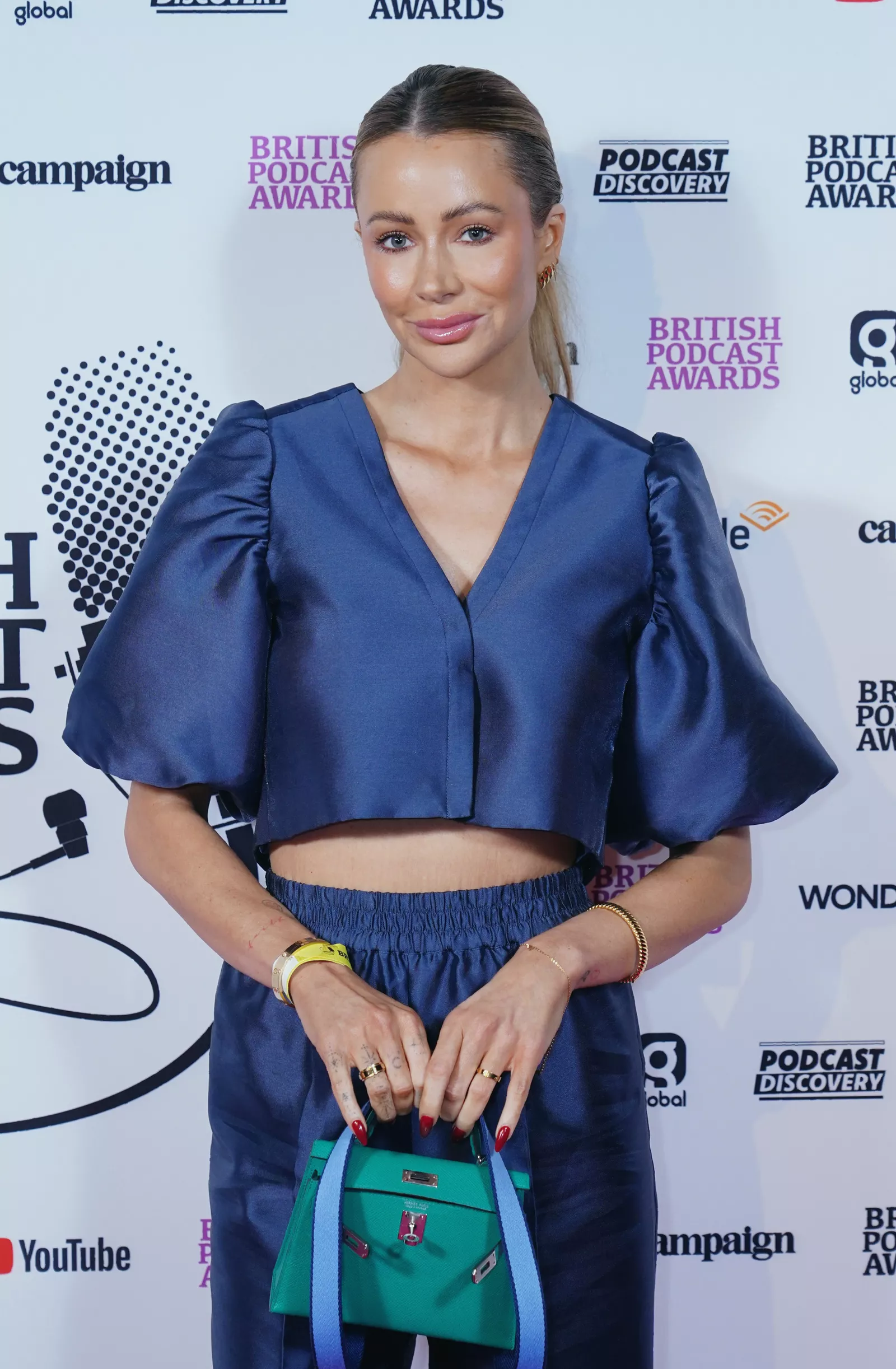
Attwood has discussed the issue with Girls Aloud star Nadine Coyle on her podcast Olivia’s House. In the episode, released on Thursday, the pair talked about how young women and girls are often “scared” to check their breasts. Coyle reflected on the death of her former bandmate Sarah Harding, who died of breast cancer aged 39 in 2021. “There’s loads of really good, tangible, bite-sized bits of information that I hope will resonate with a lot of different people,” Attwood told PA.
The campaign follows new research from Tombola which found that 38% of women admit to neglecting their health. Attwood said the initiative “seemed like something that was really good to get involved in,” adding: “The whole takeaway from this is community, friendship, and encouraging your friends to check their breasts.”
How to examine your breasts – and what to look for
Breast cancer is the most common cancer in women in the UK, accounting for around 30% of all new female cancer cases. Approximately 59,000 new cases are diagnosed in women every year, and about 420 in men. One in seven UK women is estimated to be diagnosed in their lifetime – a woman is diagnosed every nine minutes. Around 11,200 deaths occur annually from the disease, making it the second most common cause of cancer death in women.
According to NHS guidance and Breast Cancer Now, knowing what is normal for your body is key. Self-examination involves looking and feeling for any changes, not just lumps. The method: use the pads of your fingers (not the tips) and move them in small circles across the whole breast area, including the armpit and up to the collarbone. You can do this in the shower, lying down, or standing in front of a mirror. Check both breasts every month, ideally a few days after your period ends when breasts are least tender.
Signs to look for include:
- A lump or swelling in the breast, chest or armpit.
- Changes in the size, shape or feel of the breast.
- Skin changes such as puckering, dimpling, redness or a rash.
- Fluid leaking from the nipple (discharge) when not pregnant or breastfeeding.
- A change in the position or appearance of the nipple – for example, it turning inwards (inverted) or a rash around it.
- Persistent breast pain that does not go away. (Pain alone is not usually a primary symptom but should be checked if it persists.)
- Inflammatory breast cancer – a rare but aggressive form – may cause rapid swelling, skin discolouration, a pitted orange-peel texture, or persistent heat and pain, and may not involve a lump.
If any of these changes are noticed, you should see your GP. The GP will examine you and may refer you to a breast clinic for further tests, such as a mammogram (X-ray), ultrasound and biopsy – the only definitive way to diagnose cancer. Around 9 in 1,000 women who attend routine breast screening are found to have cancer; screening does not prevent cancer but aims to catch it early. Risk increases with age – 80% of cases occur in women over 50 – and at least 30% of cases could be prevented through lifestyle changes, according to Cancer Research UK. Incidence rates have risen by 20% since the early 1990s.
Attwood herself had a common type of benign lump – fatty tissue – and stressed that not all lumps are cancerous. “It’s helped me know what I’m looking for, and how to examine myself properly,” she said. “I think a lot of women don’t actually know how to do this.”