

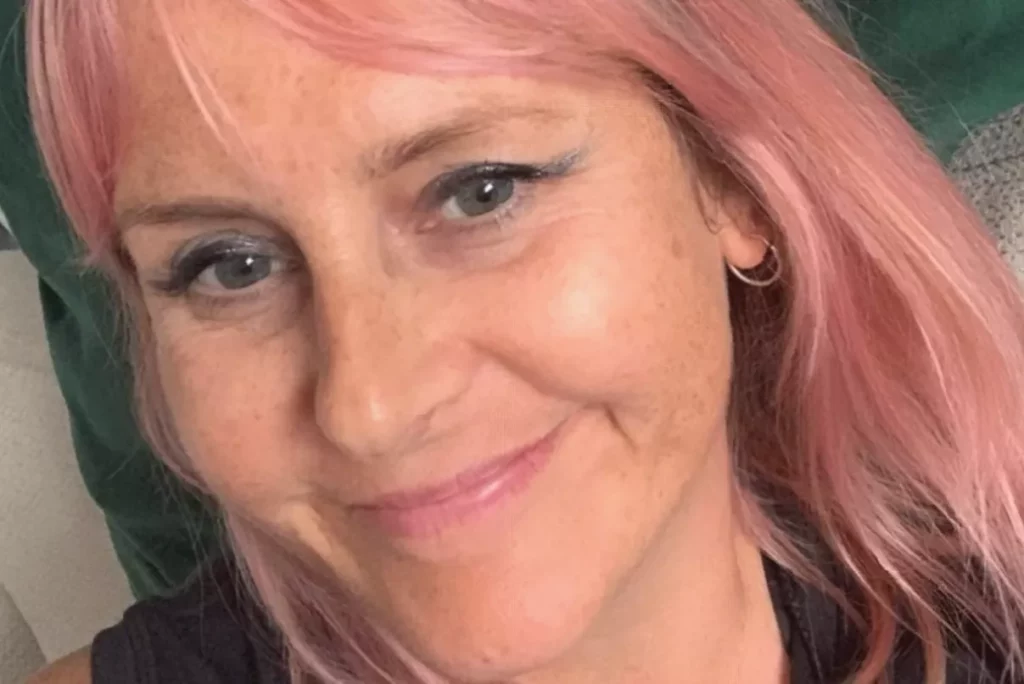
A Wolverhampton nurse who mistook a dark bruise and crippling exhaustion for the after-effects of a football match is urging others not to make the same mistake after being diagnosed with an incurable blood cancer that had already destroyed her kidneys by the time doctors caught it.
Katie Haywood, now 46, is speaking out during Myeloma Awareness Week — an annual campaign led by the charity Myeloma UK, observed this year from 17 to 24 June — to warn that the disease’s vague symptoms are dangerously easy to dismiss.
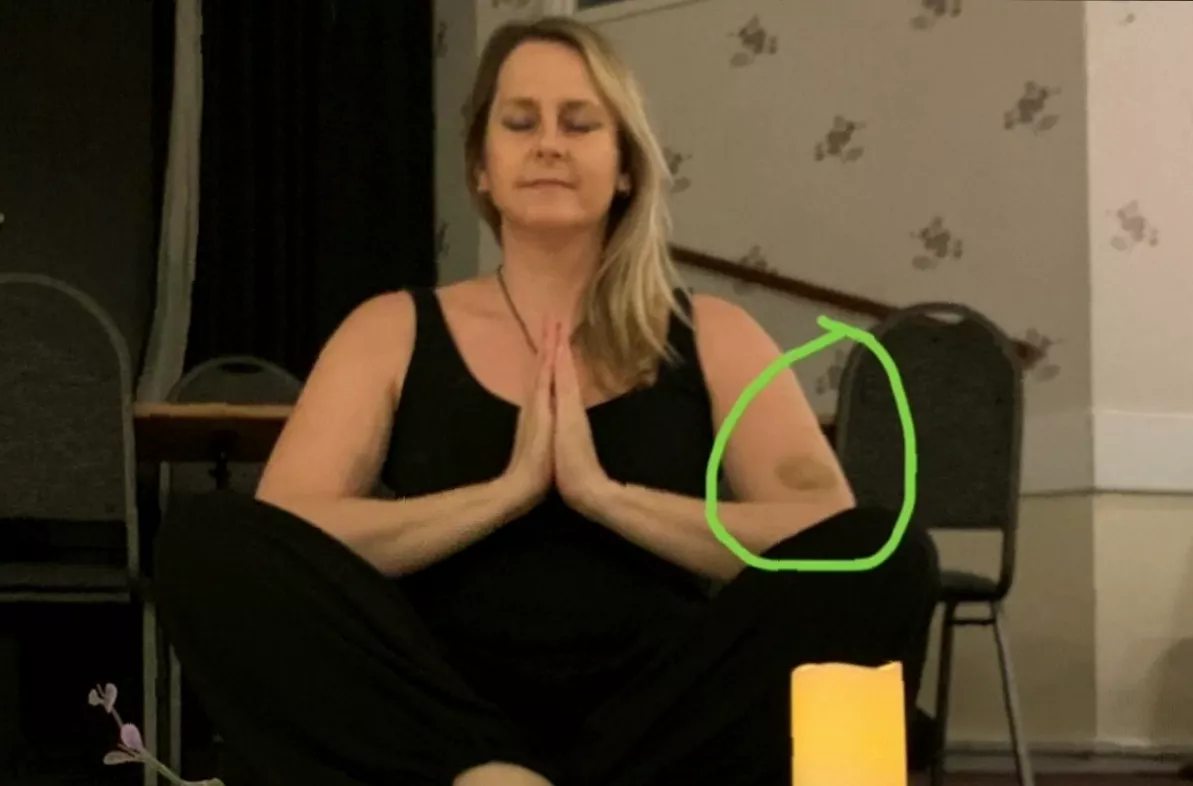
“There were a lot of separate little things, but I made excuses for all my symptoms,” she said. The mother-of-two, who balanced her nursing career with teaching yoga twice a week and playing football, first noticed a severe bruise on her arm roughly three months before her diagnosis. “I didn’t remember being hit, but I thought someone must have elbowed me at football and I didn’t notice,” she explained. The mark appeared as though blood had pooled beneath the skin, and it remained fresh-looking the following day.
Beyond the bruising, she experienced considerable fatigue and found herself struggling for breath when climbing stairs at the hospital car park. A lingering chest infection provided a convenient justification for the breathlessness. “I always found a reason. I was tired, but I was working full-time as a nurse, teaching yoga twice a week, and I was playing football,” she said. In reality, the true cause was severe anaemia — a symptom she acknowledged she would have identified immediately in any other patient.
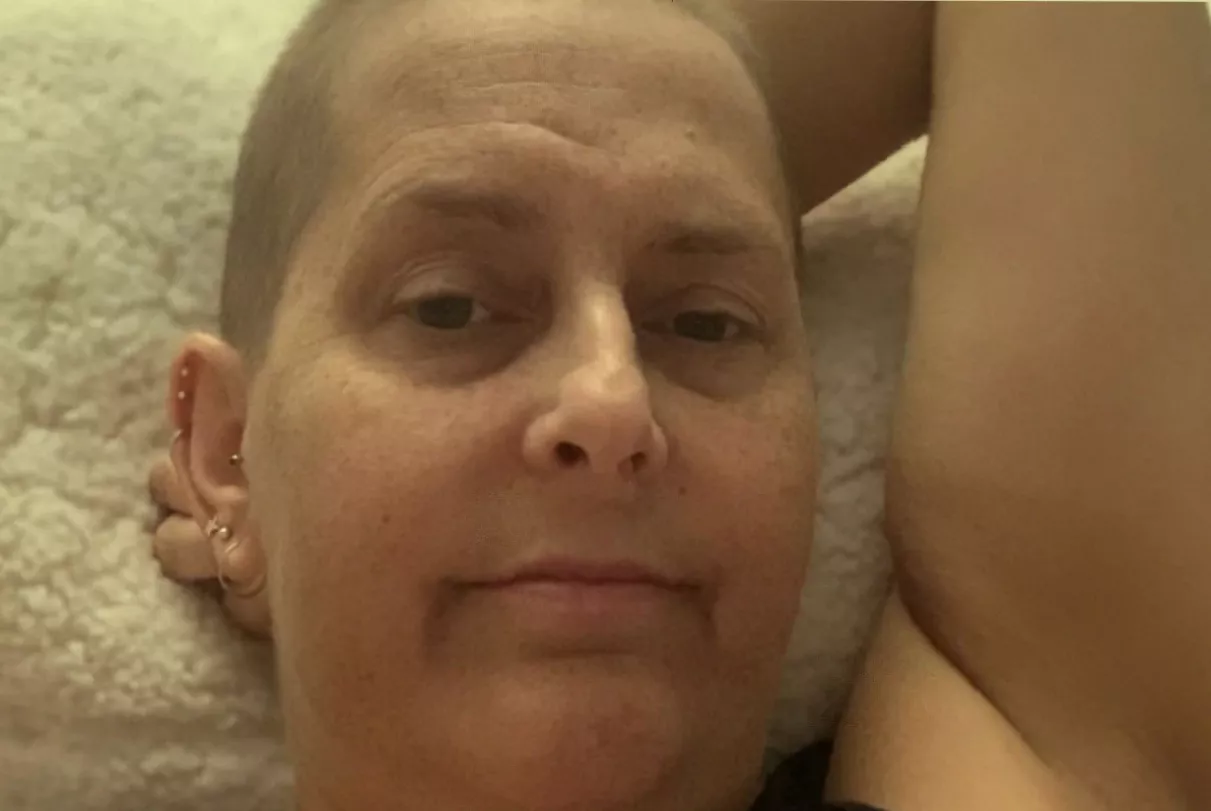
The hidden nature of myeloma symptoms
Myeloma, also known as multiple myeloma, is a blood cancer that originates in the bone marrow from plasma cells. It is the third most common blood cancer in the UK, accounting for approximately two per cent of all cancers and 15 per cent of haematological cancers. Around 6,200 to 6,500 new cases are diagnosed in the UK each year, and the disease predominantly affects people over 65, though it can occur in younger individuals. Incidence rates are highest in those aged 85 to 89, and the disease is two to three times more common in Black people, who also tend to be diagnosed at a younger age.
Myeloma UK notes that despite its prevalence, the disease is frequently overlooked because its symptoms are so vague and can easily be mistaken for signs of ageing, minor ailments, or — as in Mrs Haywood’s case — the result of an active lifestyle. Common symptoms include bone pain often felt in the back, hips, shoulders or ribs, which can worsen with movement; extreme and persistent fatigue; frequent infections because the immune system is weakened; kidney problems ranging from reduced function to failure; anaemia leading to tiredness, shortness of breath and weakness; easy bruising or bleeding; shortness of breath; unexplained weight loss; weak bones that fracture easily; peripheral neuropathy causing numbness or tingling in the hands and feet; hypercalcaemia — high calcium levels that can cause thirst, drowsiness, confusion and constipation; and, in severe cases, spinal cord compression, which can lead to leg weakness, numbness and bladder or bowel problems.
Medical professionals believe Mrs Haywood’s cancer had been developing undetected for between one and two years before her diagnosis. The charity warns that a simple blood test can typically detect indicators of the cancer, and has launched a symptom translator tool — downloaded more than 2,500 times — designed to help patients communicate their symptoms more effectively with their GPs.
Diagnosis, treatment and life after the storm
When concern finally prompted Mrs Haywood to arrange blood tests at work, the results proved so alarming that staff insisted on repeating them within the hour, convinced there had been an error. There had not. She learned she was suffering from end-stage renal failure and was merely days from physical collapse. “Now I know it’s because I was severely anaemic, something I would spot in someone else straightaway,” she reflected.
Mrs Haywood commenced chemotherapy treatment and underwent a stem cell transplant in November 2025. Twelve months after her diagnosis, she has achieved remission, though her kidney function remains compromised. The intensive treatment also triggered early menopause, adding further challenges to her recovery.
Myeloma is generally not curable but is treatable, with the aim of controlling the cancer and prolonging life. Common treatments include targeted drugs such as thalidomide, lenalidomide, bortezomib and daratumumab; chemotherapy; steroids; stem cell transplants; and supportive treatments such as radiotherapy, surgery for broken bones, bisphosphonates to reduce bone pain, blood transfusions and antibiotics for infections. The Royal Wolverhampton NHS Trust, where Mrs Haywood works, has cancer nurses who have been praised for their outstanding care.