

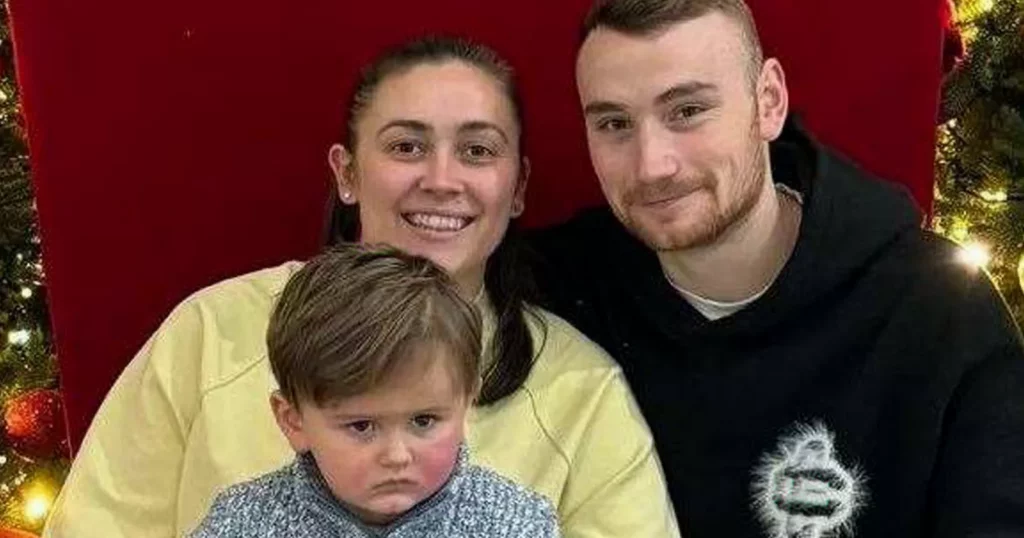
A two-year-old boy with a rare genetic disorder that leaves him unable to walk, crawl or roll has been denied a Blue Badge three times by Kent County Council, his mother has said, because the authority’s rules for children under three do not consider him “disabled enough”.
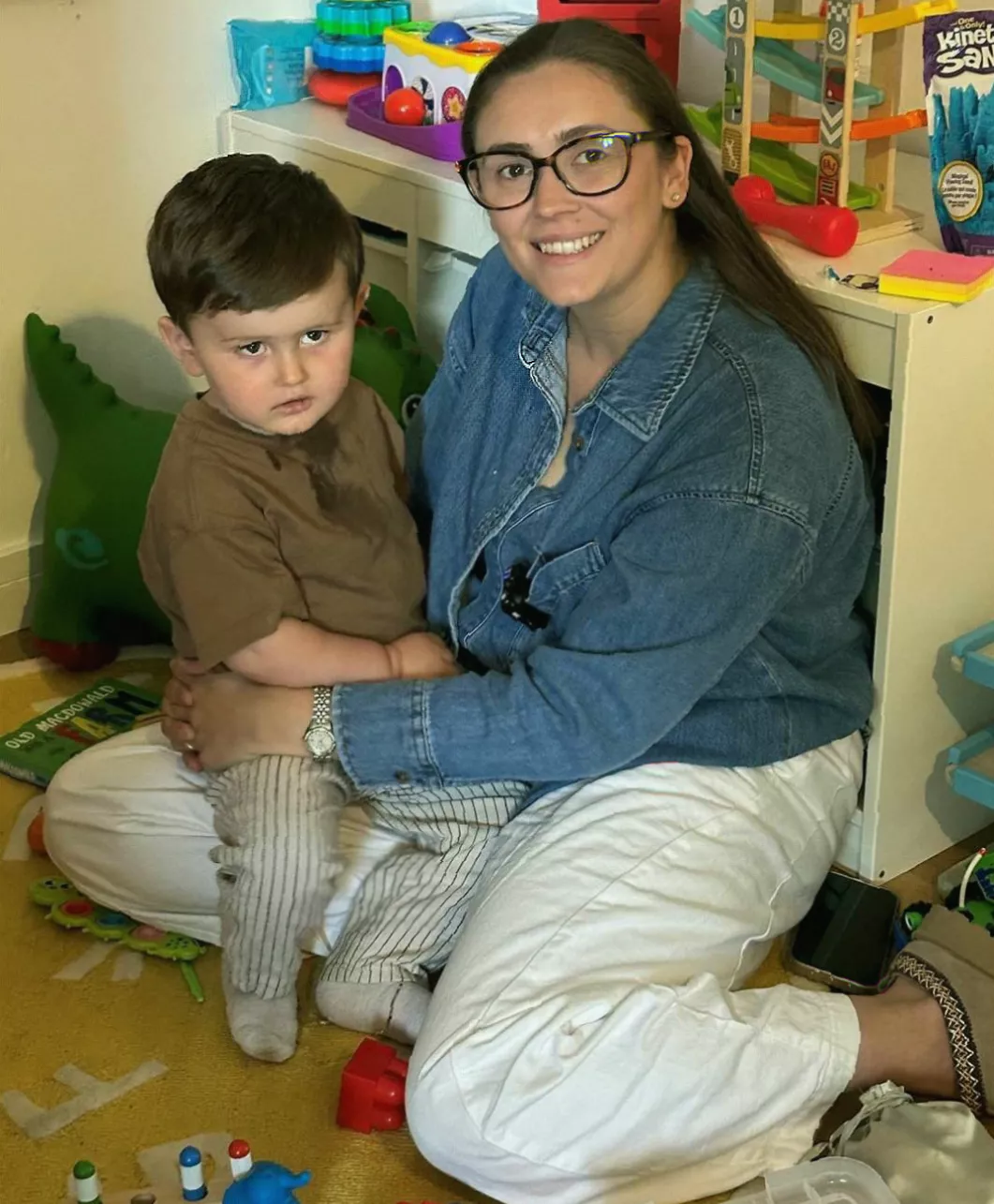
Charlotte Jenner, 27, and her partner Charlie Sears have spent months battling the council for a disabled parking permit they argue is essential for their son Ronnie’s safety and access to everyday life. Ronnie was diagnosed with Phelan-McDermid syndrome (PMS) shortly before his first birthday – a condition affecting roughly 5,000 people worldwide and caused by a deletion in the terminal segment of chromosome 22, often involving the SHANK3 gene that helps neurons communicate.
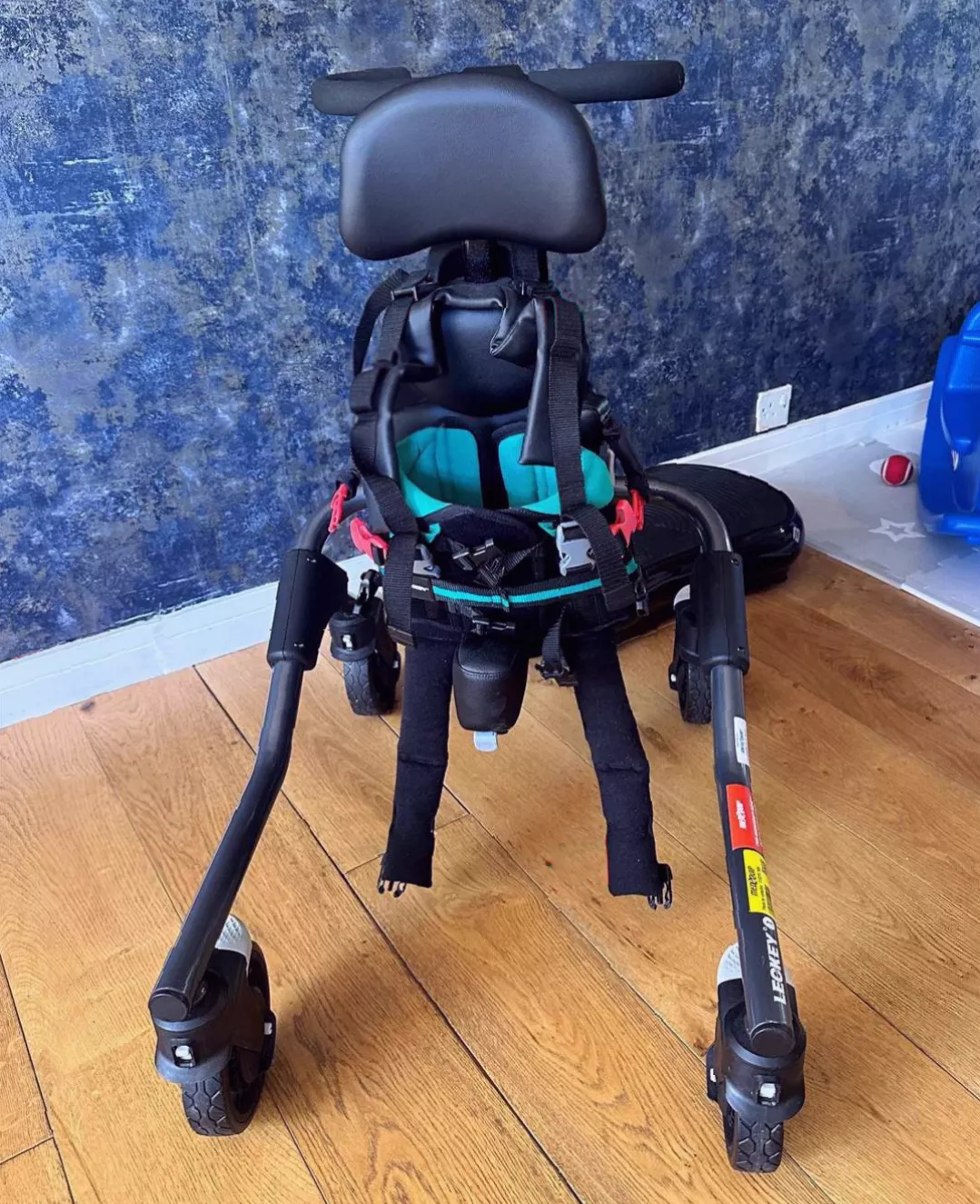
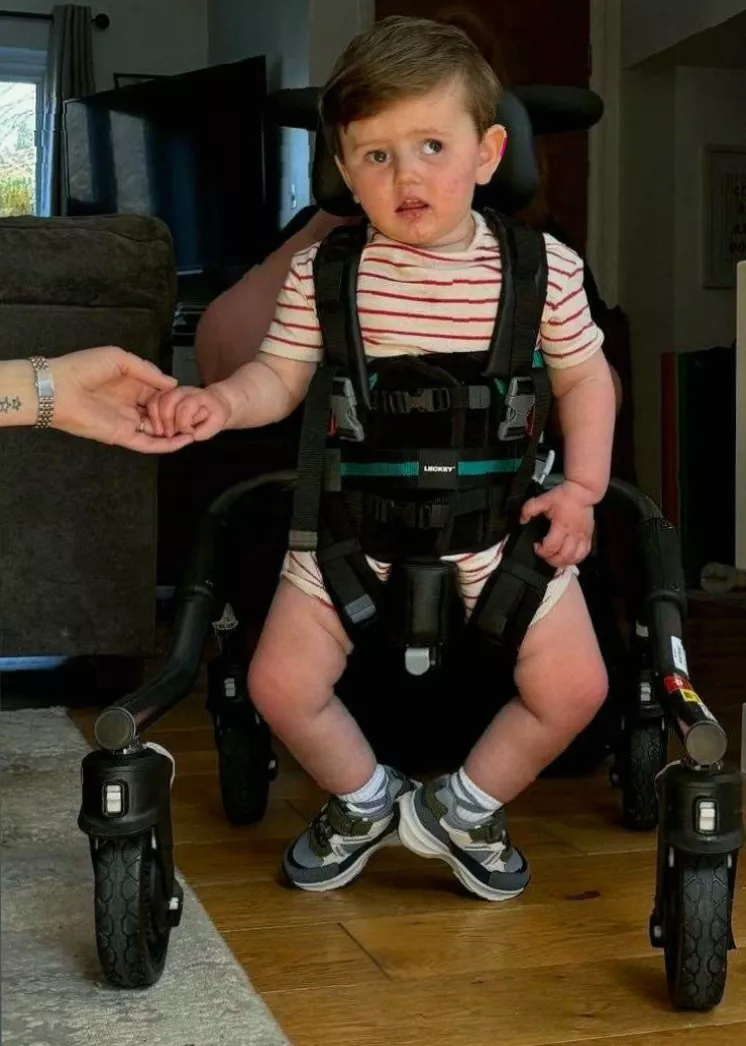
One of the hallmarks of PMS, present in 97 per cent of cases, is hypotonia – severe low muscle tone that makes muscles tight, stiff and resistant to movement. Ronnie, who weighs 18kg, cannot support his own weight, roll over, sit up unaided or go from lying to sitting. To leave the house he must be lifted into bulky mobility equipment. “It feels like a battle to get equal accessibility for my child,” Charlotte told our reporter.
She first applied for a Blue Badge with Kent County Council (KCC) in June last year. The application was turned down quickly. “It was basically a tick-box exercise, and all of his diagnoses have been shoved in note boxes,” she said. An appeal backed by letters from Ronnie’s GP and physiotherapist was also refused.
Charlotte said a member of KCC’s Blue Badge team explained that for a child under three to qualify, they needed to be on palliative care or using life-saving equipment such as breathing apparatus or feeding tubes. After further argument the council agreed to arrange a face-to-face assessment with an occupational therapist. Charlotte brought Ronnie and a folder of medical letters documenting more than 100 scheduled appointments. The assessor was sympathetic, she said, but the final decision rested with a panel, which refused the badge for a third time.
“It basically said, we recognise Ronnie’s disabled, but he’s not disabled enough. That is the long and short of it. I’m having to fight my local council for basic accessibility for my disabled son,” she said. “If all of Ronnie’s medical professionals in his life say he needs a Blue Badge, what position does my council have to say no?”
The refusal has had real-world consequences. Ronnie – who sees a paediatrician, community paediatrician, hearing specialist, development specialist, occupational therapist and physiotherapist – has missed essential medical appointments. He cannot have his walking frame at nursery, which “hinders him being able to progress walking”, Charlotte said. The family have been advised to use parent and child bays, but Charlotte argues they are not always available, are often occupied, and do not provide the same flexibility as a Blue Badge – such as parking on double yellow lines or in restricted areas. “I shouldn’t have to worry and plan ahead about how safe I’m going to be or whether I can take part in that,” she said.
Blue Badge criteria for children under three
The eligibility rules for a Blue Badge for children under three are set nationally by the Department for Transport (DfT). The DfT guidance states that children in this age group may qualify if they “always need to be accompanied by bulky medical equipment that is difficult to carry” or “must always be kept near a vehicle in case they need emergency medical treatment.” Kent County Council’s own guidelines summarise this more bluntly: under-threes may be eligible if they are on palliative care or require life-saving equipment such as breathing or feeding tubes.
The system also requires an “enduring disability” – meaning the condition must make it difficult to get around for at least three years. This three-year rule has been criticised as inconsistent with the Equality Act’s definition of disability, which covers conditions lasting 12 months or more. Some councils have refused badges to individuals whose conditions are lifelong but not immediately life-threatening, or those whose conditions cannot be guaranteed to last three years in the strict sense. Charlotte argues that Ronnie’s condition is incurable and lifelong, yet he is being judged against narrow criteria designed for children who need emergency medical access rather than everyday mobility assistance.
KCC’s application process requires a passport-style photo, proof of identity and address, evidence of eligibility, and a £10 fee. Assessments are carried out by qualified independent assessors who focus on the eligibility criteria rather than general health. An appeal must be lodged within 60 days of refusal and can include new supporting documents. If an appeal fails, applicants can contact the Local Government Ombudsman. Ronnie’s case, however, has been rejected at both the initial stage and the appeal stage, despite a face-to-face assessment where the family’s situation was observed directly.
Charlotte said the process feels like a tick-box exercise that does not account for the complexity of her son’s condition. “Ronnie cannot choose whether he is disabled or not, that choice was made for him,” she said.
Council statement
A Kent County Council spokesperson acknowledged the family’s disappointment but defended the process. “We understand the council’s decision is disappointing. However, KCC must assess Blue Badge eligibility against the national Department for Transport guidance and legislation. This provides a very clear set of eligibility criteria for children under three which were not met at initial assessment, or appeal, in this case.”
“KCC considers all Blue Badge applications for children under three as special cases, but also has a responsibility to be fair and consistent when issuing Blue Badges. The presence or absence of any condition does not in itself determine badge eligibility at any age.”
The spokesperson added that the applicant was offered multiple assessments, including a face-to-face one, “to ensure that all relevant information was considered, including observing how the family get about.” They confirmed that decisions are always communicated in writing. “When children reach three, the eligibility guidance allows for a greater scope in assessing how children mobilise independently, and we have advised that KCC is always happy to reassess children at this time. If the Department for Transport changes the eligibility criteria KCC will follow this guidance.”
The family have contacted their local MP, Mike Martin, the Liberal Democrat member for Tunbridge Wells. Martin described the situation as “deeply concerning” and said: “Families with disabled children shouldn’t have to go through such prolonged battles simply to secure basic access and dignity for their children. I have been pressing the council for months to review this case and to implement a fairer, more compassionate Blue Badge system.” He has also raised questions in Parliament about speeding up Blue Badge processing.
Until Ronnie turns three, Charlotte said the family will struggle to take him to appointments or even pop to the shops. “When I have to redo this assessment [when Ronnie is three], my answers will not be any different,” she said. “Ronnie cannot choose whether he is disabled or not, that choice was made for him.”