


For many adults, a sudden discovery of small bumps on their genitals triggers a wave of anxiety about sexually transmitted infections, only for a doctor to later reveal the cause is entirely harmless and incredibly common. This widespread confusion centres on a natural skin feature most people have, but few are ever taught to recognise.
The Reddit post that sparked recognition
This common fear was laid bare in a recent online discussion, where a user on Reddit shared her distress over noticing “tiny bumps” on her vulva. Despite having never been sexually active, her immediate assumption was that she had contracted an STI. The post prompted a flood of responses, with numerous commenters admitting they had experienced the same panic. “I freaked out when I first saw them,” one wrote. Another added, “I thought it was something I caught, but my doctor said it was normal.” The consensus was that the user was likely seeing Fordyce spots.
What are Fordyce spots?
Fordyce spots are, in essence, perfectly normal sebaceous glands that have become visible on the skin’s surface. Dr Nikki Ramskill, a GP and founder of The Female Health Doctor clinic, describes them as “small, pale yellow or white bumps” that can appear on the lips, inside the cheeks, or on the genitals. “They are completely normal and are simply visible sebaceous (oil) glands that don’t have an associated hair follicle,” she explains.
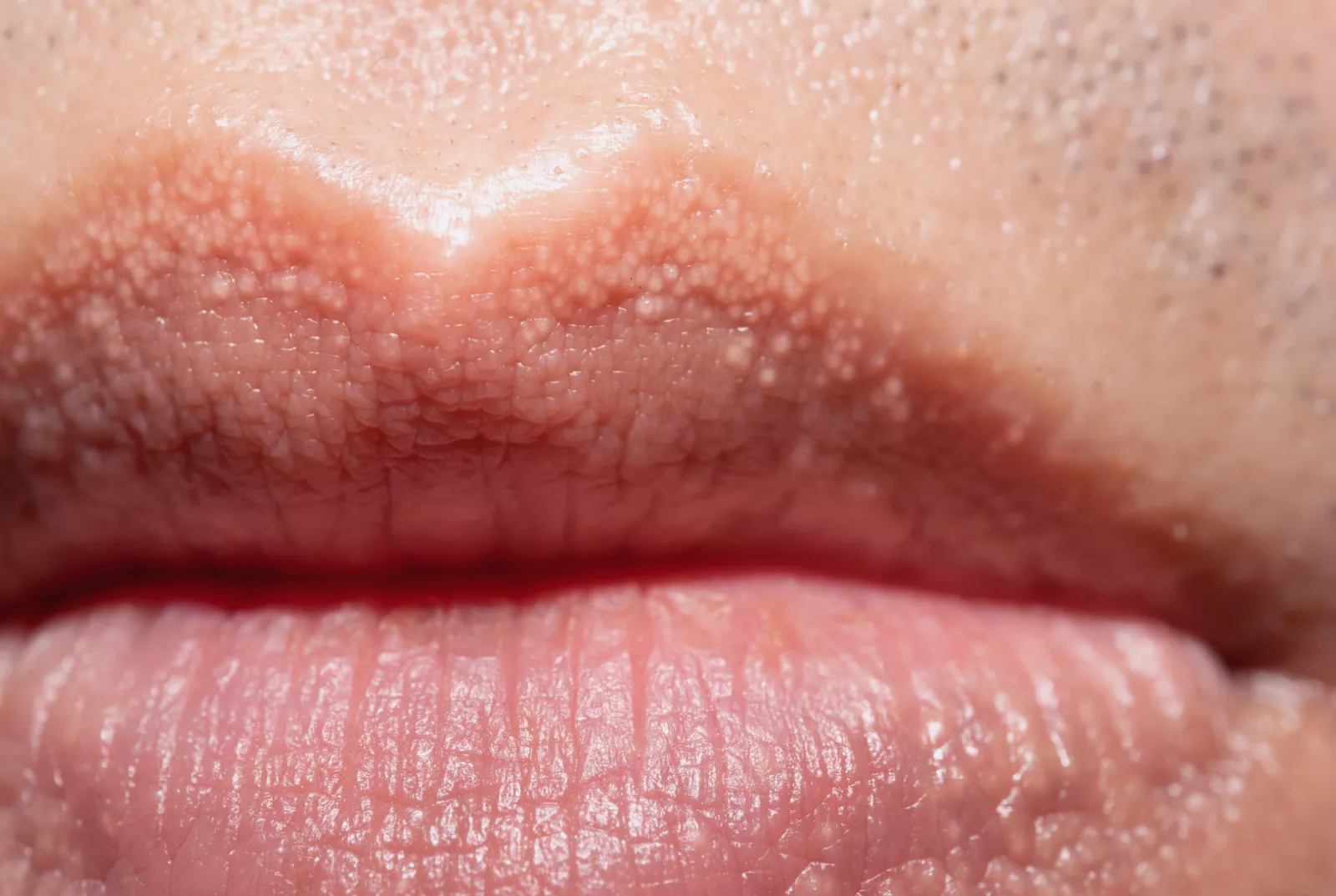
Contrary to common fears, they are not a sign of infection, poor hygiene, or sexual activity. They are merely a natural anatomical variation where these oil-producing glands are positioned closer to the skin and appear more prominent in some individuals. In women, they are commonly found on the labia, while men often notice them on the shaft of the penis or the scrotum. They are typically painless, do not change in size or appearance, and are not contagious.
A majority have them, but few know it
Possessing Fordyce spots is the rule, not the exception. Dr Ramskill states that “it’s estimated that around 70–80% of adults have them to some degree.” They often become more noticeable after puberty, as hormonal changes increase oil gland activity throughout the body. There is no specific “at-risk” group; their prominence is simply a matter of natural skin variation. However, because awareness is low, many people only notice them later in life, making the discovery seem sudden and alarming, particularly against a backdrop of anxiety about sexual health.
Differentiating a normal feature from an STI
The location and appearance of Fordyce spots understandably lead to confusion with conditions like genital warts. Dr Ramskill highlights the key distinctions: whereas Fordyce spots are painless and stable, STIs often present with other features such as “pain, ulceration, discharge, or changes over time.”
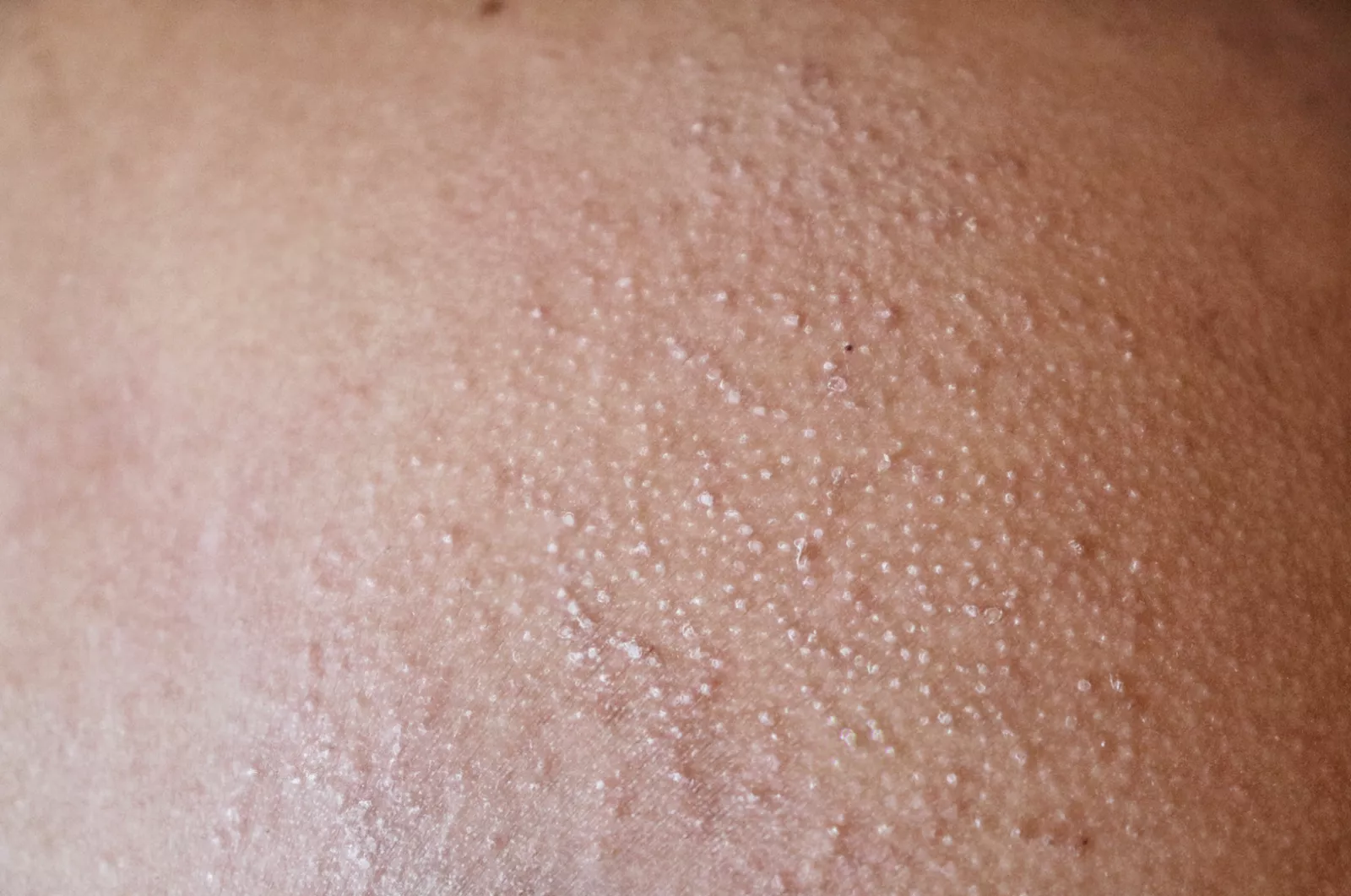
Diagnosis is usually straightforward. A GP can typically identify Fordyce spots through a simple visual skin examination. In the vast majority of cases, no treatment is required as the spots pose no health risk. If an individual is significantly distressed by their appearance for cosmetic reasons, dermatological treatments such as laser therapy or micro-punch surgery can be considered, but these are pursued for aesthetic rather than medical necessity.
Dr Ramskill reports seeing this issue “very frequently” in her practice. “The main role of the consultation is reassurance,” she says, noting that patients often experience “a huge sense of relief once they understand what they are.”

The psychological impact of a common unknown
The frequent misidentification of Fordyce spots points to a broader issue of inadequate education about normal human anatomy. Experts like Dr Ramskill suggest that unrealistic portrayals of bodies in pornography, combined with a general lack of open conversation about vulval and genital health, contribute to a “warped sense of what is normal.” This knowledge gap can turn a harmless physical trait into a source of significant stress and shame.
The definitive advice from medical professionals is to seek a balance between vigilance and reassurance. Dr Ramskill recommends that anyone noticing new or changing skin lesions, especially those that are painful, bleeding, or evolving, should get checked by a doctor. “But in many cases, like with Fordyce spots,” she concludes, “what you’re seeing is simply a normal part of your body.”