

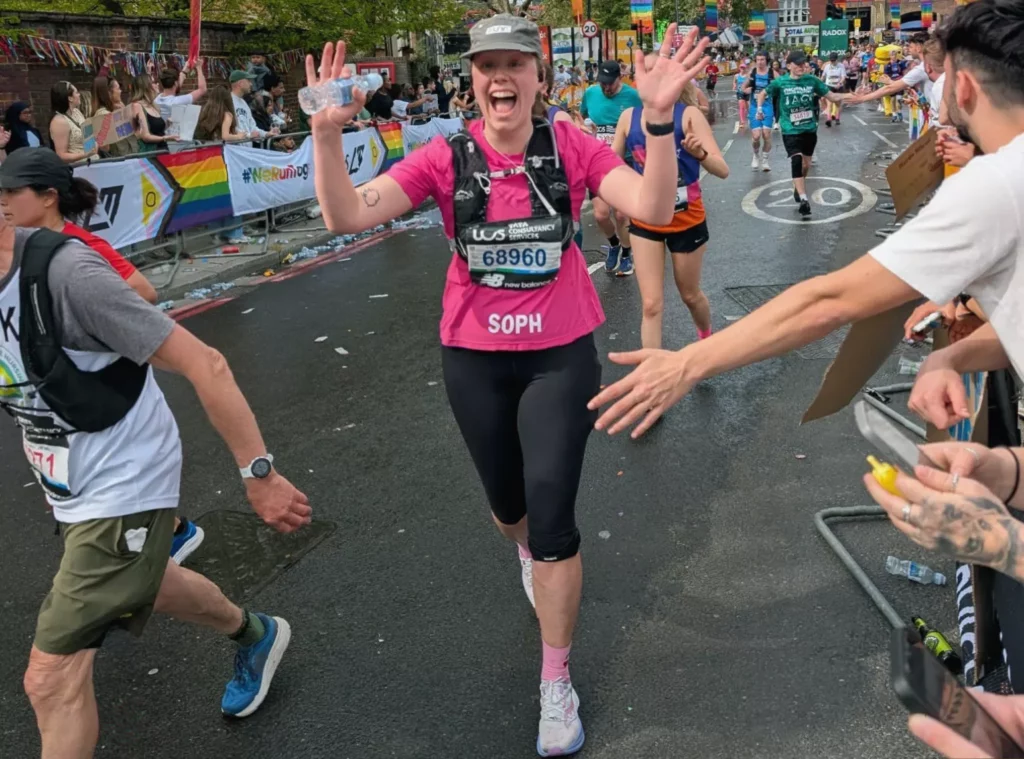
A grieving mother who lost her newborn daughter to a heart defect and then underwent surgery for her own heart condition has completed the London Marathon, describing the race as a way to honour Olive’s memory.
Tanzeela Khalid, a Year 2 teacher from London, crossed the finish line on The Mall on Sunday 26 April 2026, just months after having a cardiac ablation procedure to correct an irregular heartbeat. She was running as part of the Team TCS Teachers scheme, created by Tata Consultancy Services (TCS) to celebrate the impact of educators. “The absolute best part was seeing my family and friends,” she said. Her husband and young son – stuck on the DLR for an hour on a broken train – were determined to see her again, waving near Buckingham Palace. “It was just what I needed to get around that final stretch.”
Khalid’s journey to the marathon began in October 2024 when she gave birth to her daughter, Olive. The baby had been diagnosed at the 12-week scan with Hypoplastic Left Heart Syndrome (HLHS), a condition where the left side of the heart is underdeveloped. UK figures show that for babies born with HLHS between 2000 and 2015, the five-year survival rate stood at 56.3 per cent, while a broader study of cases in England and Wales from 1998 to 2012 found that 63.5 per cent survived to one year and 58.6 per cent to five years. The standard treatment involves a three-stage surgical procedure, but approximately 20 per cent of patients do not survive the interval between the first and second operations.
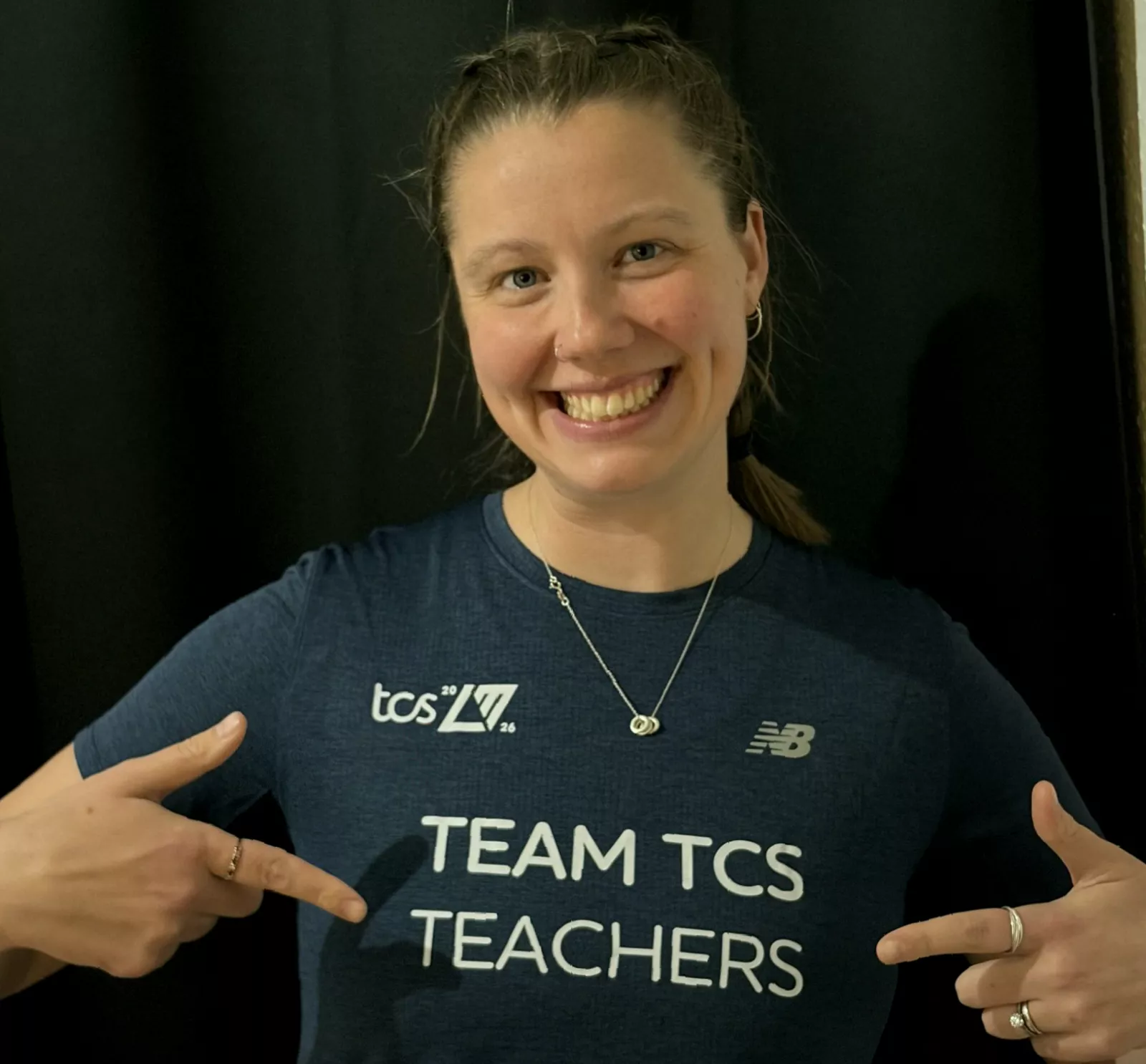
Doctors had warned Khalid that Olive would need intensive surgery if she lived. During labour, medical staff monitored both mother and baby’s heart rates. The machine repeatedly showed Khalid’s heart rate dropping to 30 beats per minute – a false reading caused by an irregularity in her own heartbeat that had not yet been diagnosed. After Olive was born, she was transferred to Great Ormond Street Hospital (GOSH) where she suffered a cardiac arrest. Scans revealed a leaky valve on the side of her heart that was too severe to repair, and she was placed on palliative care. “As a family, my husband, my two-year-old son and I were able to hold her as she died; which was a desperately sad, but beautiful, moment,” Khalid said. Olive was just 48 hours old.
A diagnosis of her own
In the weeks that followed, Khalid began to feel her own heart beating irregularly. Terrified that she might die and leave her husband and young son alone, she went to A&E. Doctors diagnosed her with a cardiac arrhythmia – a condition that, while not immediately life-threatening, put her at risk of heart failure in later life if left untreated. Grief itself can have profound physical consequences, including palpitations, shortness of breath and fatigue, which can exacerbate underlying cardiac issues. She was prescribed beta-blockers, which can cause side effects such as extreme tiredness, dizziness and difficulty concentrating – challenges for a teacher managing a full class. “I found this incredibly frustrating,” she said. “I was trying to get back into fitness by training to run a half-marathon with my whole family, but the beta-blockers held me back.”
Khalid also struggled with her Christian faith. “Where are you, God? Why didn’t you heal my daughter?” she recalled thinking. Her church helped her feel comfortable expressing her anger and frustration, and she and her husband teach their son that “no matter what we are facing it doesn’t change the fact that God is always good.” Organisations such as Loss and Hope and AtaLoss work with UK churches to provide bereavement support programmes, including the Bereavement Journey, which offers discussion groups suitable for people of any faith.
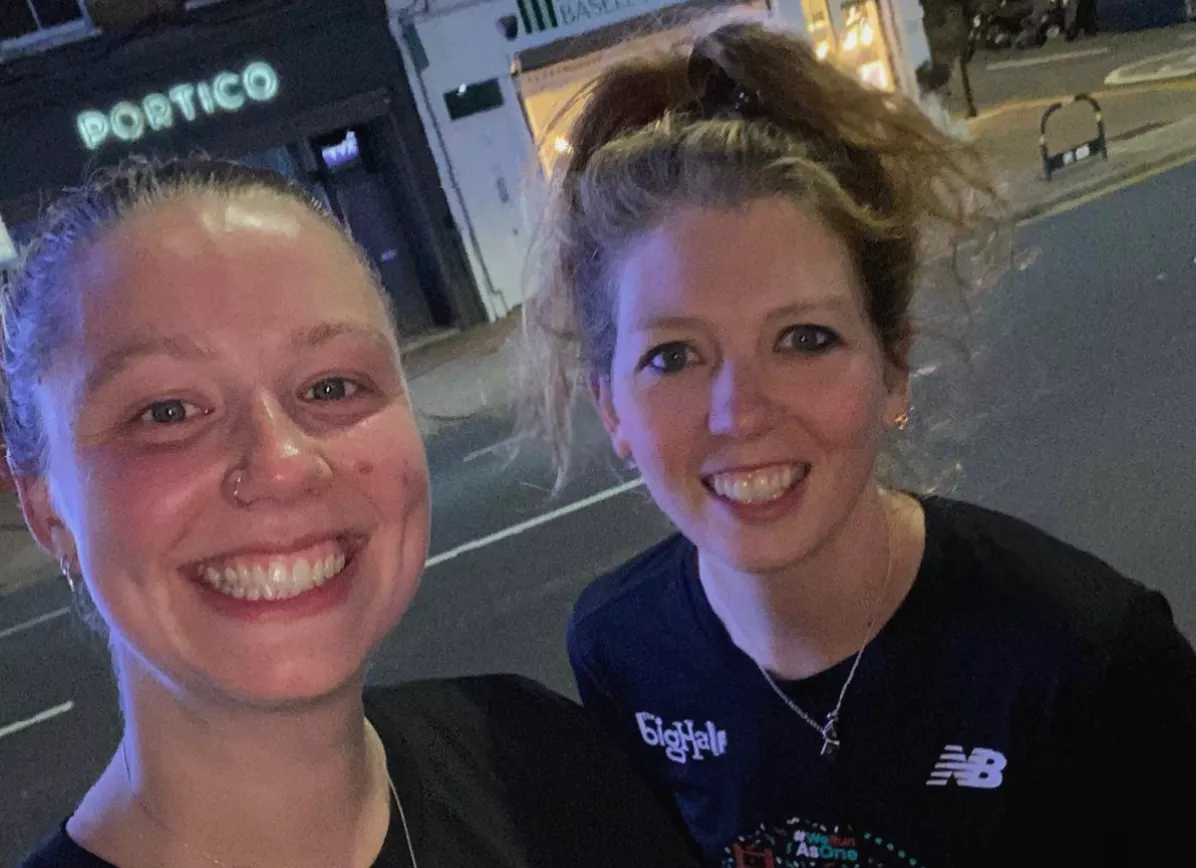
Weekly counselling through Demelza Hospice Care for Children – which offers clinical and emotional support to families across Kent, South East London and East Sussex, including bereavement services – became her lifeline. “I could have a regular session of crying; and that was what would get me through,” she said.
Recovery and a place in the marathon
Despite the beta-blockers, Khalid completed a half-marathon in October 2025. But medication proved insufficient, and she underwent catheter ablation surgery at the end of January 2026. The procedure, which uses heat to destroy the heart cells causing the abnormal rhythm, typically has success rates ranging from 50 to 90 per cent depending on the condition; for simpler arrhythmias it can reach 90 per cent. Khalid had to remain awake because general anaesthesia would lower her heart rate and mask the arrhythmia. “It hurt more than I thought it would, but I couldn’t wait to have a fully functioning heart,” she said. The surgery took about four hours, and she has felt “great” ever since.
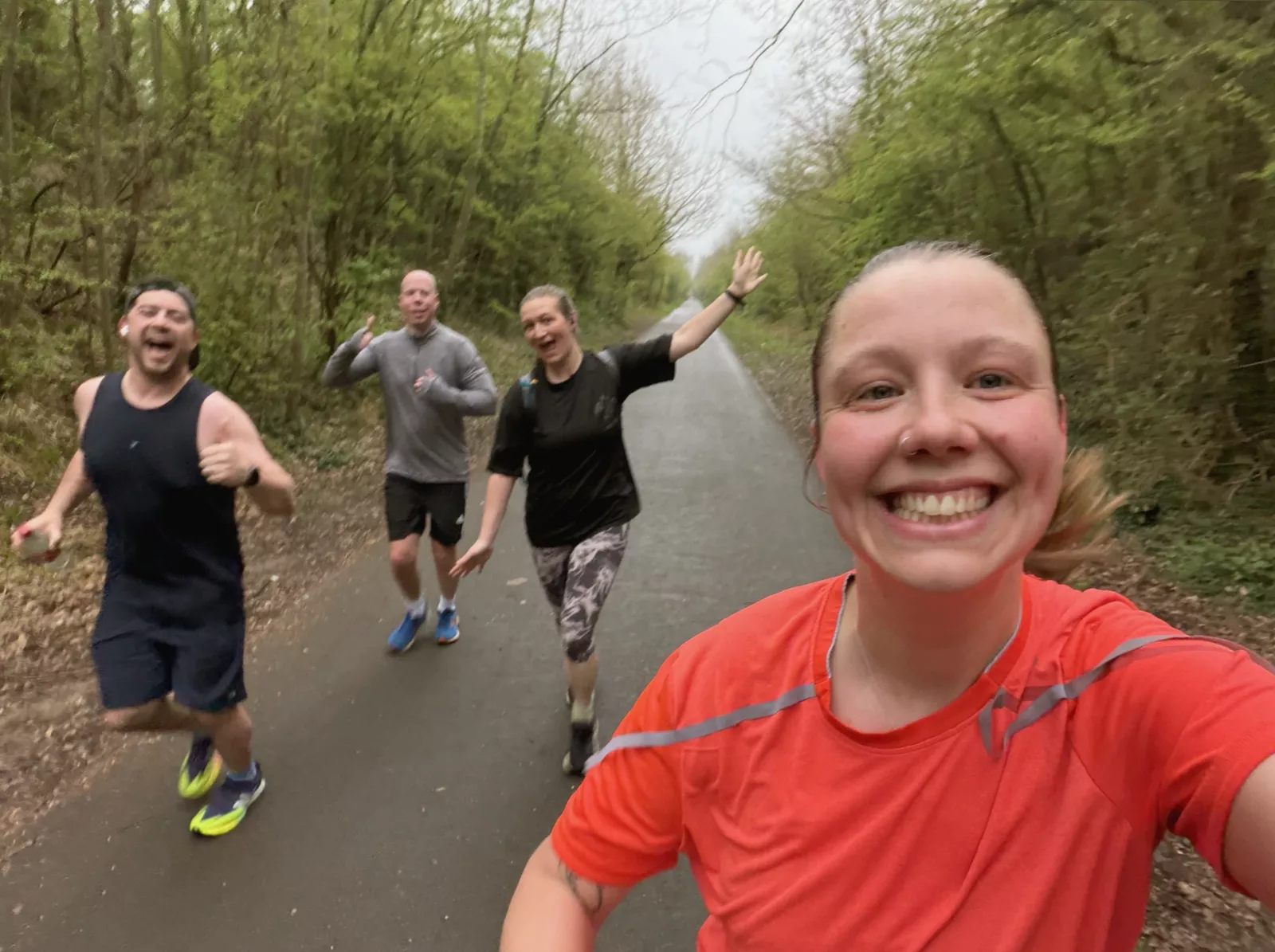
Two weeks later, she learned she had been awarded a place in the London Marathon through the Team TCS Teachers programme. The scheme, launched by TCS in 2018, guarantees entries to educators for iconic marathons worldwide, including Boston, Chicago, New York, Toronto, Sydney and London. This year, 39 teachers ran the London event as part of a global cohort of more than 100. Khalid had entered months earlier and “never imagined I’d actually get in.” With only ten weeks to train, she checked with her doctor and received the all-clear. “My family and friends thought I was mad,” she said.
The 2026 TCS London Marathon saw record-breaking fundraising, raising £87.5 million for charities, with Marie Curie as the official Charity of the Year. The men’s elite race was won by Kenya’s Sabastian Sawe in a world record time of 1:59:30, the first man to officially break two hours, while Ethiopia’s Tigst Assefa set a women’s-only world record of 2:15:41. But for Khalid, the achievement was deeply personal. “Most of all, I just feel happy that I was able to honour Olive by running this marathon in her memory. Together with my son and my husband, they are the people I do everything for.”