

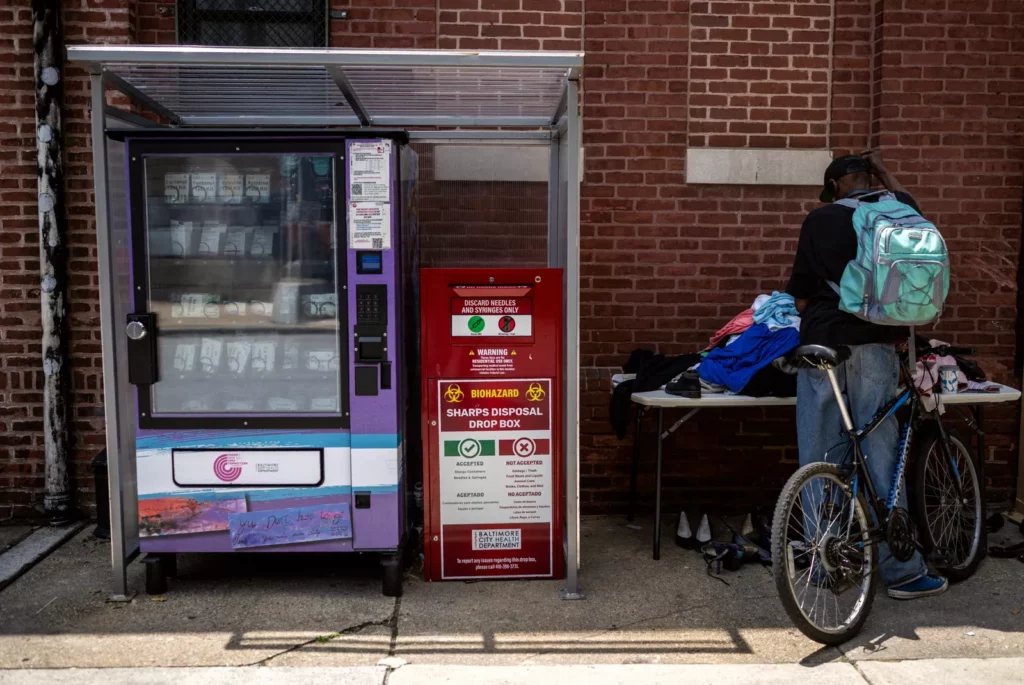
US overdose deaths fell 14% last year, reaching approximately 70,000 — the lowest annual toll since before the pandemic and the third consecutive decline, the longest such stretch in decades, according to preliminary federal data released by the Centers for Disease Control and Prevention.
The 2025 total marks a return to levels last seen in 2019, before Covid-19 triggered a catastrophic surge in fatalities. Deaths peaked at nearly 110,000 in 2022, driven by social isolation and disrupted access to treatment. The CDC reported that decreases were observed across all major drug categories, including fentanyl, cocaine and methamphetamine.
While the vast majority of states saw fatalities fall, Arizona, Colorado and New Mexico recorded notable increases. Researchers suggest these regional rises may be linked to the combined use of fentanyl and methamphetamine in those areas.
Brandon Marshall, a Brown University researcher specialising in overdose trends, described the data as cause for cautious optimism. “I’m cautiously optimistic that this represents really a fundamental change in the arc of the overdose crisis,” he said. But he warned against complacency. “If deaths are going down rapidly, that means they can increase just as rapidly if we take our foot off the gas.”
What drove the decline
Researchers point to several contributing factors behind the sustained drop. The widespread distribution of naloxone — an overdose-reversing drug — has been credited with saving thousands of lives, with community-based programmes and pharmacy dispensing policies playing a key role. Access to evidence-based addiction treatment has also expanded, including medications for opioid use disorder such as methadone and buprenorphine. The removal of the X-waiver requirement for buprenorphine prescribing has made it easier for doctors to offer treatment.
Billions of dollars from opioid lawsuit settlements are now being channelled into prevention and treatment efforts. Studies suggest a correlation between these funds and reductions in overdose deaths, with states that had higher prior death rates receiving larger disbursements.
Some research indicates a shrinking pool of people likely to overdose, as fewer teenagers initiate drug use and many long-term illicit drug users have already died. Teen substance use remains at low levels with high rates of abstinence, though slight upticks in heroin and cocaine use among some age groups were reported in 2025.
Another theory points to regulatory changes in China several years ago that may have reduced the availability of precursor chemicals essential for fentanyl production. China has implemented controls on various fentanyl precursors since 2018, with ongoing efforts to tighten regulations further.
The new drug threat
Despite the encouraging national trend, health and law enforcement officials are increasingly alarmed by new and highly potent substances entering the illicit drug supply. Alex Krotulski, director of the Center for Forensic Science Research and Education — a federally funded toxicology lab that runs a national early warning system — said the pace of new drug detection is accelerating. Last year his lab identified 27 previously unknown drugs. Less than five months into 2026, they have already identified 23.
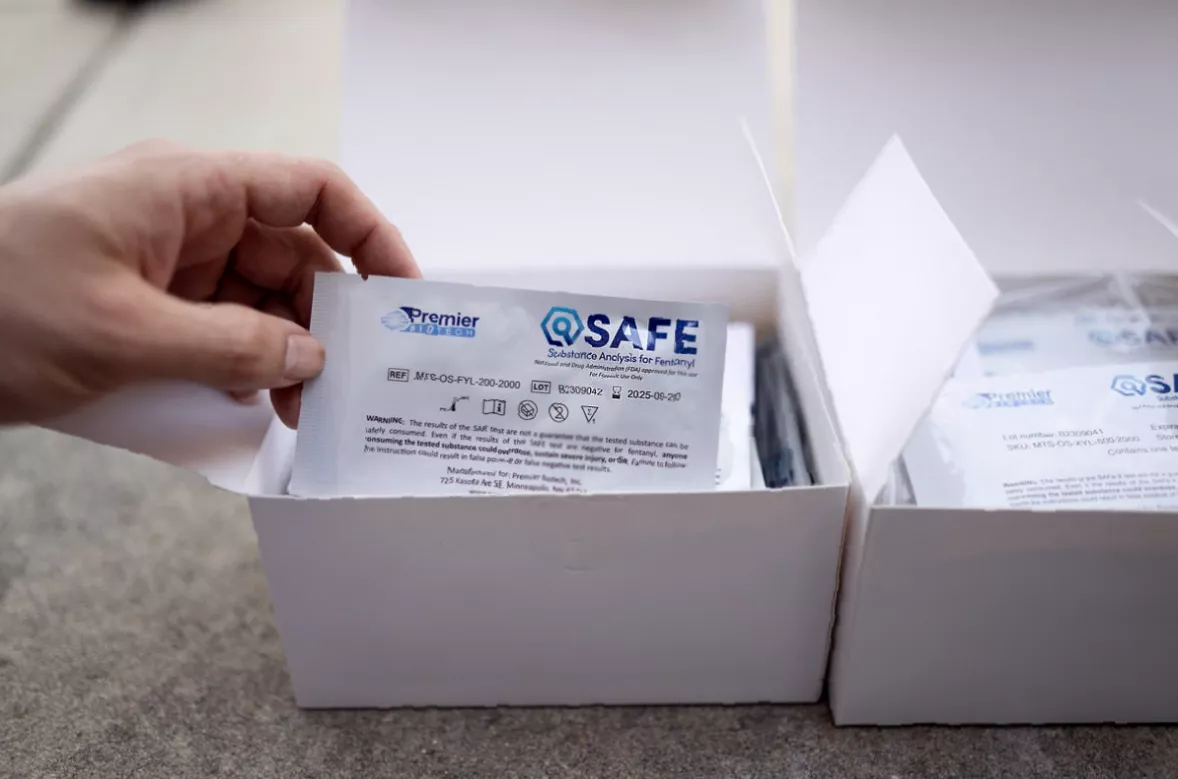
Among the most concerning is cychlorphine, a synthetic opioid estimated to be up to 10 times stronger than fentanyl. It acts on mu-opioid receptors, producing effects similar to fentanyl but at far smaller doses, meaning extremely tiny amounts can be lethal. Cychlorphine was first identified in China in 2024 and began appearing in the US drug supply by mid-2025. It has since been confirmed in fatal overdoses in at least 11 states as of April 2026. Crucially, standard fentanyl test strips do not detect it, and rapid testing is not yet widely available. Experts say it is being used as an undisclosed cutting agent mixed into other illicit drugs, making it a hidden danger for users who believe they are taking something else.
“The drug supply continues to change and evolve,” Krotulski said, underlining the dynamic nature of the threat.
Provisional CDC data had already indicated a 21% drop in overdose deaths through August 2025 compared with the same period in 2024, and the full-year figure of 70,000 represents a 14% decline from 2024’s total. In 2024, overall overdose deaths dropped by approximately 24%, with opioid deaths falling by a similar percentage. The US drug overdose death rate peaked at 33.2 per 100,000 people in 2022. In 2024, opioid death rates were highest among people aged 26-64, American Indian and Alaska Native people, Black people, and males.
Policy concerns and the harm reduction debate
While the data offers grounds for optimism, experts warn that the number of Americans dying from overdoses remains alarmingly high — and that a number of factors could trigger a resurgence. Among them are potential shifts in government policy and changes in the illicit drug supply.
The Trump administration has been implementing cuts to programmes designed to reduce overdose deaths and infections linked to drug use. In a recent letter, the federal Substance Abuse and Mental Health Services Administration told grant recipients that the government would no longer fund test strips and kits that help drug users detect highly lethal additives. Officials justify the change by stating a shift away from services they believe “facilitate illicit drug use”, such as clean syringes and hotlines for people using drugs.
This policy direction has drawn sharp criticism. Last week, a group of women who have lost children to overdoses spoke out against government policies that prioritise punishment and incarceration. Kimberly Douglas, who founded Black Moms Against Overdose after her 17-year-old son died, argued that harm reduction services are vital to the progress seen. “We are starting to see overdoses go down in some places and that’s because of harm reduction,” she said, referring to services now being targeted. She also highlighted that Black and Indigenous communities face additional barriers to accessing these life-saving tools, despite the overall decline in deaths.