

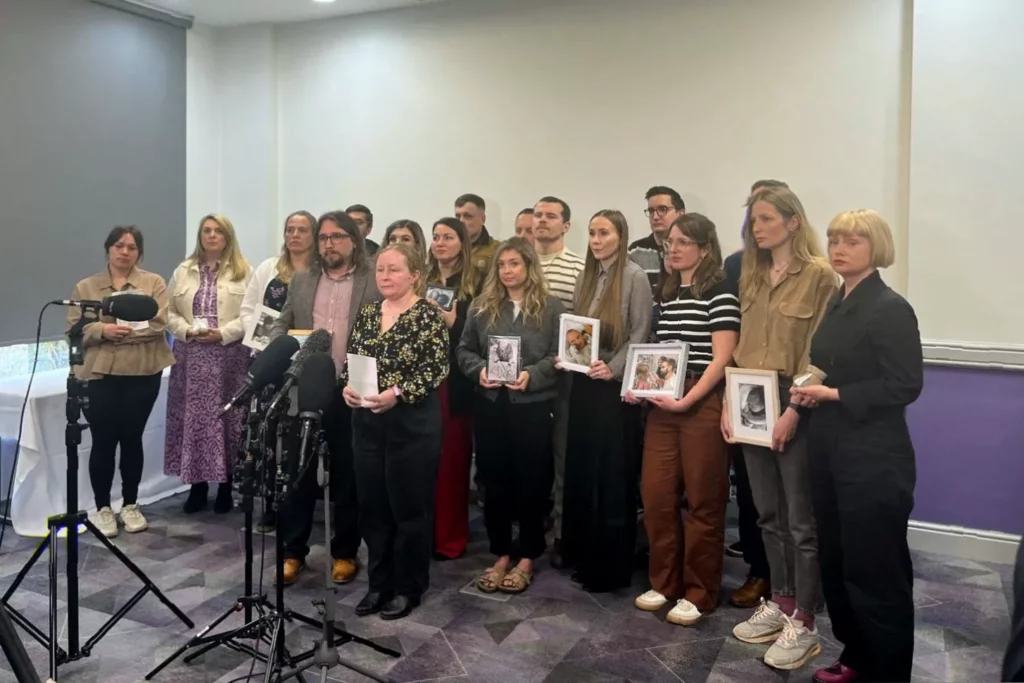
More than 1,000 cases are expected to be investigated as part of a maternity review at University Hospitals Sussex NHS Foundation Trust, in a move that campaigners have described as giving families hope after years of pushing for accountability.
The independent review, announced by the Department of Health and Social Care, will examine every harmed and bereaved family dating back to 2018 unless they choose to opt out. It will cover stillbirth, neonatal death, maternal death, neonatal harm caused by severe brain injuries, and severe maternal harm. Donna Ockenden, the senior midwife and investigator who has led landmark inquiries at Shrewsbury and Telford, Nottingham, and Leeds, has been appointed to chair the review – a key demand from affected families who met Health Secretary Wes Streeting in Brighton last month.
The Truth for Our Babies group, which represents more than 60 families who say they have been harmed by maternity care failings in Sussex, welcomed what it called a “full and inclusive review”. The group said: “It gives us hope that families will finally receive the answers they have been seeking. We need to know what has failed, why so many families have been harmed, and what immediate and then further and long-term actions will be taken to improve maternity safety for future parents and babies in Sussex.”
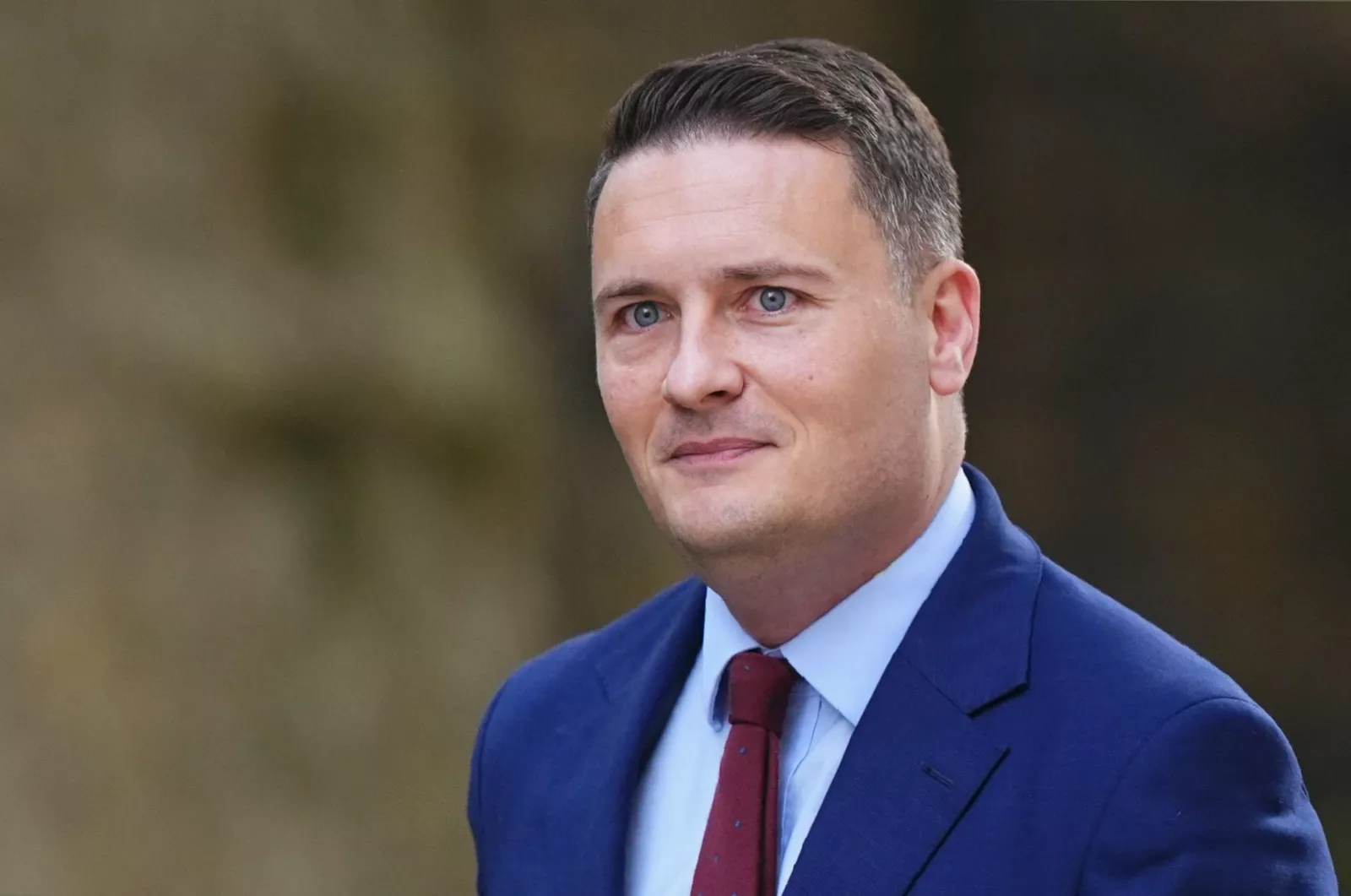
The review will operate on an opt-out basis, meaning all eligible cases will be automatically included unless families explicitly choose not to participate. This approach is intended to be “broad and inclusive”, according to the Health Secretary. Anita Jewitt, head of medical negligence at the law firm Stewarts, said the opt-out method is “hugely significant” but stressed that clarity around the scope remains “crucial”. She said: “While automatically including families from 2018 onwards will capture a substantial body of evidence, it’s equally important that families whose experiences fall outside that period are clearly encouraged and supported to opt in. Meaningful learning depends on ensuring that all voices who wish to be heard are able to come forward.”
Ms Ockenden will have the power to consider cases from before 2018, as well as those where women believe they meet the criteria for severe harm but have incomplete or missing records. Full terms of reference will be decided in the coming months, developed together with families.
Mr Streeting said: “The families in Sussex who have campaigned so tirelessly for this review have shown extraordinary courage. The scope we have set out is deliberately broad and inclusive with all eligible cases included automatically unless families choose otherwise. Donna Ockenden has already shown, time and again, that she has the expertise and confidence of the families to lead a thorough review, and I have every confidence she will do the same in Sussex.”

The Department of Health and Social Care stressed that the vast majority of births in the NHS have good outcomes and that women should continue to attend all maternity appointments and raise any concerns with staff without hesitation.
Ms Ockenden said she considered it a privilege to have the trust of so many families across Sussex. “Family voices will run through the heart of the review; their perspective is essential in ensuring that the review is fully inclusive and reflective of their experiences, and meets their needs,” she said. “Together with families, we will develop the terms of reference of the review to make sure that all families have the opportunity for their voice to be heard – especially disadvantaged, seldom heard and global majority families.”

Her previous reviews have exposed systemic failings in NHS maternity services. At Shrewsbury and Telford Hospital NHS Trust, her investigation found that 201 babies and nine mothers could have survived with better care over a 20-year period. She is currently leading the UK’s largest maternity review at Nottingham University Hospitals NHS Trust, examining nearly 2,000 cases of potential harm between 2010 and 2020, and has also been appointed to review services at Leeds Teaching Hospitals NHS Trust.
The University Hospitals Sussex trust has said it is committed to learning and improvement. It has reported full compliance with the Clinical Negligence and Employer’s Liability insurance scheme for recent years and stated it has recruited 40 additional midwives, increased theatre capacity for planned caesarean births, and introduced a dedicated telephone triage service. The trust has also said its perinatal mortality rate has fallen and is now below the national average. An unannounced Care Quality Commission inspection in February 2025 of the Royal Sussex County Hospital’s A&E and maternity departments had earlier intensified concerns about safety.