

Close Menu
    Useful
    • About Us
    • Contact Us
    • Advertise With Us
    • Health Explainers
    • Our Editorial Team
    Facebook
    HealthNewsDaily.co.uk
    • Home
    • NHS

      Muslim NHS worker in line for £25,000 after trans women permitted in women’s toilets

      14 May 2026

      South Sudan hospital, bustling on Monday morning, reduced to rubble by Tuesday night

      13 May 2026

      Mother outraged as NHS uses dead person’s bone in daughter’s mouth without consent

      12 May 2026

      Over 6,000 children in England seen at obesity clinics, new figures indicate

      12 May 2026

      Cancer diagnosis via NHS app and phone call denounced as major duty of care failure

      10 May 2026
    • Health Policy

      Families back comprehensive and wide-ranging review of Sussex maternity failings

      13 May 2026

      Father takes legal action against NHS in High Court over transgender teen’s hormone treatment

      13 May 2026

      Health records: a powerful boon for medicine but also a grave risk

      13 May 2026

      Marty Makary leaves FDA following dispute with Trump on fruit-flavoured vapes

      12 May 2026

      More than 10 million Britons off sick as UK absence crisis hits

      12 May 2026
    • Mental Health

      Woman sectioned after suspecting mother-in-law of poisoning her

      13 May 2026

      Pudsey Bear to speak out for Children In Need mental health campaign

      11 May 2026

      Woman’s eating disorders aggravated by husband’s weight loss, Annalisa Barbieri column

      10 May 2026

      Tuppence Middleton admits watching Naked Attraction in partner’s absence

      9 May 2026

      Many who thought cannabis could not cause dependence discover they were wrong

      9 May 2026
    • Wellness & Lifestyle

      Fibre supplement could bring gut back to normal for constipation sufferers

      14 May 2026

      Doctors reveal the optimal time of day to go to the loo

      12 May 2026

      Sound baths’ claimed ability to calm the nervous system questioned

      12 May 2026

      Mother insists chemical pregnancy is a real baby

      12 May 2026

      Pull-ups: challenging yet impressive – a guide to starting

      11 May 2026
    • Disease & Prevention

      Norovirus outbreak detains hundreds of UK passengers aboard berthed cruise ship

      13 May 2026

      Mother diagnosed with condition after baby daughter dies 48 hours after birth

      13 May 2026

      Passenger offers inside view of quarantine unit after cruise ship hantavirus outbreak

      13 May 2026

      Student nurse, 21, describes immediate impact of cancer diagnosis on her life

      12 May 2026

      Hundreds of thousands of infants to undergo SMA checks under new study

      12 May 2026
    • Treatment & Research

      After Jesy Nelson campaign, NHS expands SMA treatments to hundreds more children

      14 May 2026

      59,000-year-old tooth shows Neanderthals performed dental drilling with stone implements

      13 May 2026

      2025 marks third consecutive decrease in US overdose fatalities

      13 May 2026

      Some nations see obesity rates flatten or decline, study suggests

      13 May 2026

      UK lifts can no longer accommodate heavier Britons

      13 May 2026
    HealthNewsDaily.co.uk
    • NHS
    • Health Policy
    • Mental Health
    • Wellness & Lifestyle
    • Disease & Prevention
    • Treatment & Research
    Home » Wellness & Lifestyle » Time shift disrupts sleep as experts suggest ways to minimise the effects
    Wellness & Lifestyle

    Time shift disrupts sleep as experts suggest ways to minimise the effects

    Oliver MarshBy Oliver Marsh28 March 2026
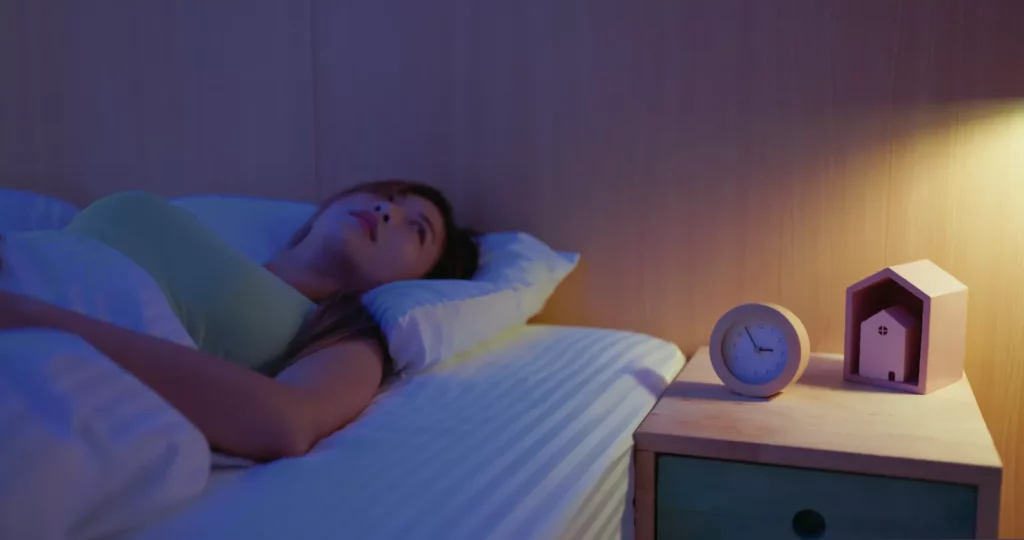
    An alarm clock showing an early morning hour on a bedside table.

    This weekend, Britons will pay a familiar toll for longer summer evenings: the loss of a precious hour’s sleep. At 1am on Sunday, the clocks spring forward, marking the start of British Summer Time (BST) and interrupting the delicate biological rhythms of millions.

    The Body’s Internal Clock Thrown Off Gear

    While designed to maximise daylight, the shift has an immediate physiological cost. The core issue is the forcible disruption of the body’s circadian rhythm, the internal clock governed by light and darkness. According to Dr Sue Peacock, a consultant health psychologist specialising in sleep disorders, the key agent in this disruption is melatonin, the hormone produced by the brain’s pineal gland that regulates the sleep-wake cycle. “It is secreted in response to darkness and helps us feel tired and ready for bed – and is suppressed by light,” she explains. The sudden increase in evening daylight can delay melatonin production, making it harder to fall asleep at the usual time just as the clock demands earlier rising.

    For some, this adjustment can take several days, leading to a domino effect of grogginess, fatigue, and reduced alertness. The impact is not merely one of feeling tired. Research indicates more serious health consequences are linked to this annual jolt. Studies have pointed to an increase in heart attacks of up to 24% in the first working week after the spring change, alongside rises in strokes and atrial fibrillation. The British Sleep Society, which advocates for abolishing clock changes, links the disruption to these cardiovascular risks and an elevated chance of accidents on roads and in workplaces due to impaired reaction times.

    Certain groups are especially vulnerable. Children, teenagers—whose circadian rhythms are naturally delayed during puberty—shift workers, older adults, and those with existing sleep or heart conditions find the adjustment particularly difficult. The disturbance can also exacerbate mental health issues, leading to increased irritability, anxiety, and low mood.
    A person looking tired at a desk during daylight saving time adjustment.

    A Practice With A Wartime Past And A Divided Present

    The concept of daylight saving in Britain dates back to 1916, inspired by William Willett’s “The Waste of Daylight” campaign and initially adopted to conserve energy during the First World War. The current system is governed by the Summer Time Act 1972, with dates aligned to former European Union directives: clocks spring forward at 1am on the last Sunday in March and fall back on the last Sunday in October. In 2026, for instance, the changes will fall on March 29 and October 25.

    The rationale has long centred on making better use of daylight, with arguments citing benefits for road safety, leisure, tourism, and economic activity in the evenings. However, critics contend these benefits are now outdated and outweighed by the health and productivity costs, with some studies even suggesting a negative impact on currency values. Public opinion remains split, with polls showing a near-even division between those who support the biannual change and those who wish to scrap it. If abolished, a majority would prefer permanent summer time.

    Despite the debate and a 2019 European Parliament vote to end seasonal changes, the UK government has stated it has no plans to alter the current arrangements. This leaves individuals to manage the consequences themselves each spring.
    A bedroom with blackout curtains drawn to create a dark sleep environment.

    How To Steer Your Body Through The Shift

    Sleep experts advise that preparation is key to mitigating the effects. A gradual approach is most effective. In the days leading up to Sunday, try shifting your bedtime and waking time by 10-15 minutes earlier each day to ease the transition. On the day itself, aim to eat your evening meal a little earlier.

    Light exposure is your strongest tool for resetting your internal clock. Seek out natural sunlight, especially in the morning, to signal wakefulness to your body. Conversely, as the evenings stay lighter, create a dark sleep environment using blackout curtains or a sleep mask to encourage melatonin production. Be stringent with sleep hygiene: maintain a consistent routine, even at weekends, and avoid caffeine and alcohol before bed.

    Finally, limit exposure to the blue light emitted by phones, tablets, and laptops in the evening, as it tricks the brain into staying alert. Resist the urge to scroll in bed or have a long lie-in on Sunday morning, as both can further delay adjustment. Staying hydrated, particularly in the morning, can also help combat fatigue as your body adapts to the new timetable.

    Anxiety Sleep
    Share. Facebook Twitter LinkedIn WhatsApp Telegram
    Oliver Marsh
    Oliver Marsh

    Mental Health & Lifestyle Correspondent
    Oliver Marsh reports on mental health and wellness for Health News Daily. He covers NHS mental health services, workplace wellbeing, children's mental health, anxiety, depression and modern approaches to healthy living. A certified Mental Health First Aider, Oliver is passionate about breaking the stigma around mental health and making evidence-based wellbeing advice accessible to all. His reporting bridges the gap between clinical mental health news and practical lifestyle guidance for UK readers.
    · Certified Mental Health First Aider (MHFA England), peer support volunteer, lived experience of NHS Talking Therapies pathway
    · ADHD and autism in adults, anxiety and depression, CAMHS and children's mental health, workplace burnout, sleep science, nutrition and ultra-processed foods, NHS mental health service access

    Related Posts

    Wellness & Lifestyle

    Fibre supplement could bring gut back to normal for constipation sufferers

    14 May 2026
    Wellness & Lifestyle

    Doctors reveal the optimal time of day to go to the loo

    12 May 2026
    Wellness & Lifestyle

    Sound baths’ claimed ability to calm the nervous system questioned

    12 May 2026
    Wellness & Lifestyle

    Mother insists chemical pregnancy is a real baby

    12 May 2026
    Join Our Community & Win

    Each month we select one lucky follower to receive a prize from our partners. Follow us on our social channels for your chance to win.

    • Facebook
    Latest
    NHS

    Muslim NHS worker in line for £25,000 after trans women permitted in women’s toilets

    14 May 2026
    Wellness & Lifestyle

    Fibre supplement could bring gut back to normal for constipation sufferers

    14 May 2026
    Treatment & Research

    After Jesy Nelson campaign, NHS expands SMA treatments to hundreds more children

    14 May 2026
    Health Policy

    Families back comprehensive and wide-ranging review of Sussex maternity failings

    13 May 2026
    Treatment & Research

    59,000-year-old tooth shows Neanderthals performed dental drilling with stone implements

    13 May 2026
    Health Policy

    Father takes legal action against NHS in High Court over transgender teen’s hormone treatment

    13 May 2026
    News Categories
    • NHS
    • Health Policy
    • Mental Health
    • Wellness & Lifestyle
    • Disease & Prevention
    • Treatment & Research
    Help
    • About Us
    • Contact Us
    • Advertise With Us
    • Health Explainers
    • Our Editorial Team
    About Us
    About Us

    Health News Daily provides trusted UK health news, covering NHS updates, medical research, public health and wellbeing with clear and reliable reporting.

    Facebook
    • Cookie Policy
    • Privacy Policy
    • Complaints Policy
    • Corrections Policy
    • AI Disclosure Policy
    • Editorial Policy & Ethics
    • Accessibility Statement
    • Medical Disclaimer
    • Terms & Conditions
    • Sponsored Content Disclosure
    • Copyright Notice
    © 2026 Healthnewsdaily.co.uk. All rights reserved.

    Type above and press Enter to search. Press Esc to cancel.