

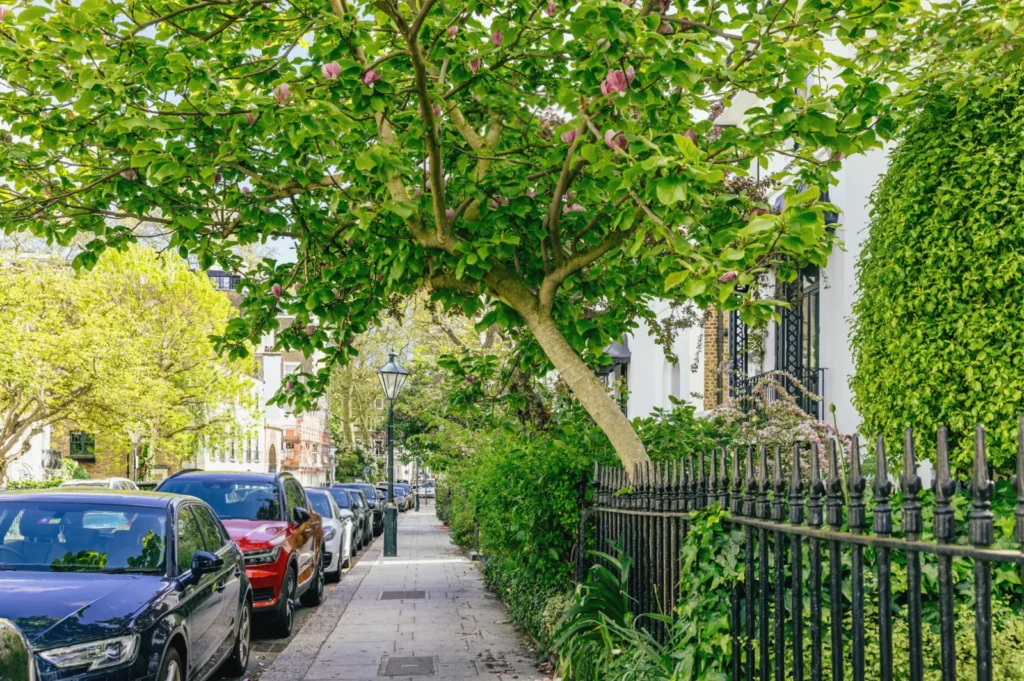
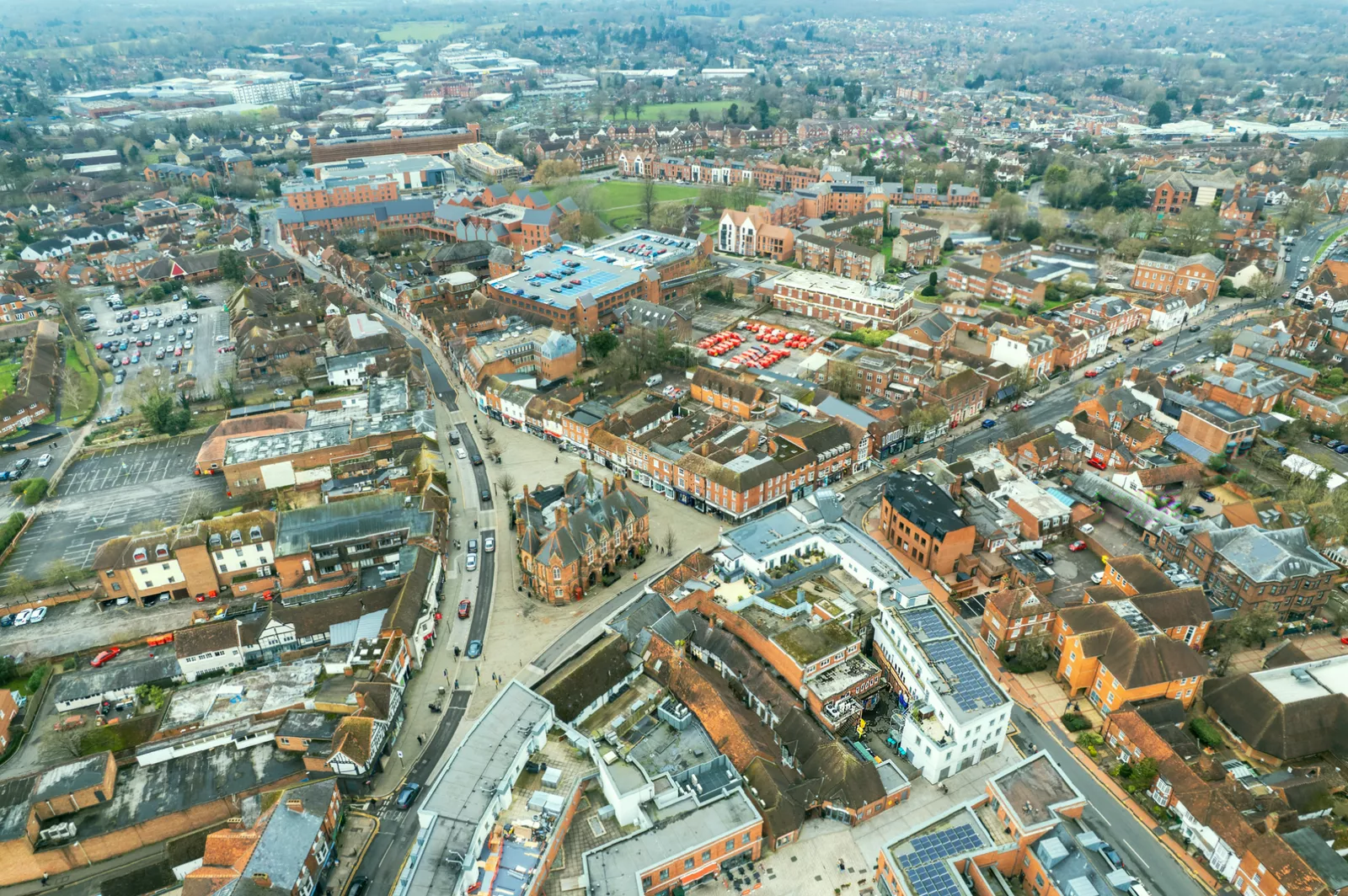
Women in the Berkshire borough of Wokingham have the longest life expectancy in the United Kingdom, according to a new analysis identifying the country’s pockets of exceptional longevity. The area boasts an average female life expectancy of 85.5 years, with men living to an average of 82.8 years.
The UK’s longevity hotspots
Wokingham is joined by a cluster of affluent and often greener local authorities at the top of such rankings. In London’s Royal Borough of Kensington and Chelsea, women live on average to 87.1 years and men to 83.9 years, data from The Kensington + Chelsea Foundation shows. Nearby Richmond, noted for its vast parkland, also features, alongside Windsor, Totnes in Devon, Bearsden near Glasgow, and Monmouth in Wales. A list commissioned by The Telegraph further included Fleet, Lewes, and Stroud as areas where residents enjoy notably long lives.
These locations have been informally labelled the UK’s ‘Blue Zones’, borrowing a term coined by researcher Dan Buettner in 2005 to describe global regions like Sardinia and Okinawa with unusually high concentrations of centenarians. While the UK lacks official Blue Zones, these areas exhibit similar characteristics associated with reaching an advanced age.
Wealth, environment, and the architecture of health
The common thread linking many of these areas is wealth, but experts argue the connection is nuanced. According to Dr Mohammed Enayat, a GP and founder of the HUM2N longevity clinic, it is less about income itself and more about what it enables. “Access to better healthcare, lower stress, and the time and space to prioritise health,” are the critical advantages, he notes. A 2020 study in the Journal of Gerontology found that wealthier people could expect between eight and nine more years of disability-free life after the age of 50.
This affluence often translates into a healthier environment. “These places are typically greener, more walkable, and socially connected, which naturally encourages daily movement, better mental health, and stronger community ties,” Dr Enayat explains. The Danish Twin Study suggests only about 20% of lifespan is determined by genetics, placing immense importance on lifestyle and surroundings. The concept of the “Life Radius” – that people spend 90% of their lives within five miles of home – underscores how the local environment can make healthy habits the default.
However, stark health inequalities persist even within these longevity hotspots. Data reveals a life expectancy gap within Wokingham of 6.6 years for men and 3.3 years for women between the most and least deprived populations. The disparity is even more pronounced in Kensington and Chelsea, where The Kensington + Chelsea Foundation reports gaps as wide as 17 years for men and 18 years for women between different wards. The Office for National Statistics reported in 2015 that men in the least deprived parts of that borough could expect almost a quarter of a century more of good health than those in the most deprived parts.
This underscores Dr Enayat’s point that longevity is “shaped as much by environment and opportunity as it is by personal behaviour.” Factors like safe housing, education, and high-quality healthcare are not equally distributed, creating a landscape where postcode can be a powerful predictor of lifespan.
The blueprint for a longer life
The lifestyles observed in global Blue Zones and these UK analogues point to sustainable, rather than extreme, choices. A plant-based diet rich in whole foods, fruits, and healthy fats like olive oil – akin to the Mediterranean diet – is frequently cited. Dr Enayat personally advocates for such a diet, alongside practices like time-restricted eating and consuming polyphenol-rich foods, for their anti-inflammatory and cellular benefits.
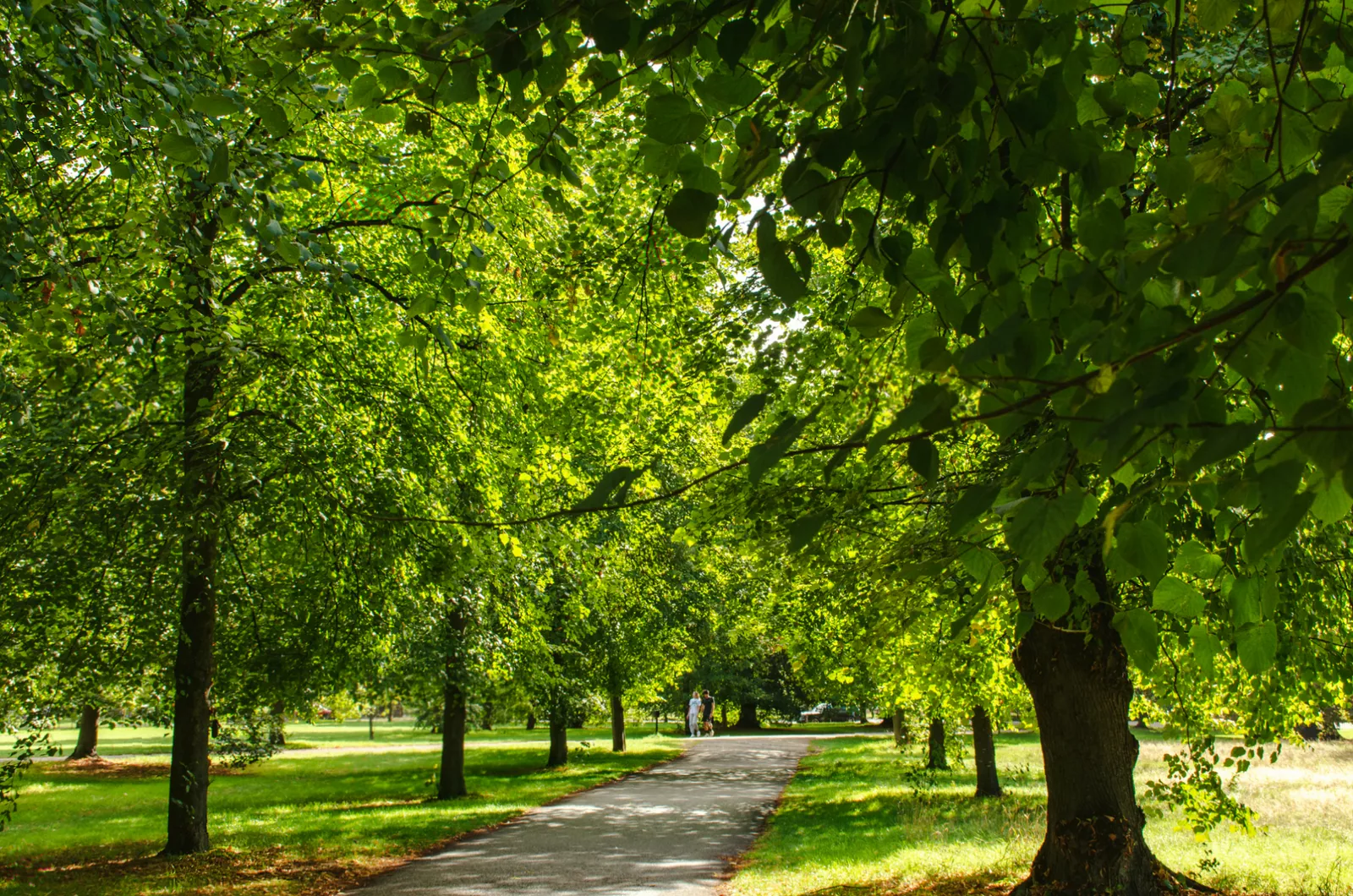
Consistent, low-intensity movement woven into daily life is valued over intense gym sessions. Prioritising high-quality sleep is considered non-negotiable for its restorative role. Perhaps most critically, managing stress through “daily moments of calm” and cultivating strong social connections are identified as powerful predictors of a longer life. Community initiatives to reduce loneliness, such as “Chatter & Natter” tables, speak directly to this need.
For those not living in a leafy, affluent borough, the advice is to focus on adaptable elements of this blueprint. “Build more movement into your day in a way that feels natural… Prioritise your environment where possible. Even access to a local park or regular daylight can make a meaningful difference,” suggests Dr Enayat. The goal is to create a personal ecosystem, however modest, that supports steady, sustainable choices in diet, movement, and social engagement, within the wider system that shapes everyone’s health outcomes.