


Red meat consumption shows no significant link to fatty liver disease overall, according to a new Italian study that instead points to gender-specific intake thresholds and cooking methods as the real determinants of risk.
Main findings and study design
The investigation, led by Davide Guido at the National Institute of Gastroenterology “Saverio de Bellis” in Bari, Italy, examined 1,192 adults through a population-based survey. Participants completed a validated dietary questionnaire, and metabolic dysfunction-associated steatotic liver disease (MASLD) – commonly known as fatty liver disease – was diagnosed using ultrasound imaging. Nearly half of those studied (49.2 per cent) were found to have the condition. The research was published in the journal Nutrients.
Across the entire cohort, there was no meaningful association between overall red meat consumption and the likelihood of developing MASLD. This result challenges the widespread assumption that red meat is a direct dietary driver of fatty liver disease.
Gender differences in disease prevalence and risk
The study uncovered notable disparities between the sexes. Men demonstrated a considerably higher rate of MASLD at 54.6 per cent, compared with 45.2 per cent among female participants – a statistically significant difference. Women made up 57.3 per cent of the cohort.
This gender gap aligns with broader epidemiological data. In the United Kingdom, MASLD is estimated to affect up to one in five people, with rates rising alongside obesity. Some research suggests that sex hormones, particularly estrogen, may play a protective role against the condition in women, contributing to lower prevalence in premenopausal women. Globally, the condition is thought to affect around 30 per cent of adults.
While most consumption levels showed no meaningful association with disease risk, one exception emerged for male participants. Men who consumed between 75 and 90 grams of red meat daily faced significantly elevated odds of developing MASLD. This specific intake range represented the sole statistically significant link identified throughout the analysis.
For context, the UK government recommends that adults eat no more than 70g of red and processed meat per day – roughly 500g per week. Cancer charities advise limiting red meat to no more than three portions a week, equivalent to 350–500g cooked weight. The 75–90g range identified in the study sits slightly above the UK daily guideline and falls within the lower end of weekly limits.
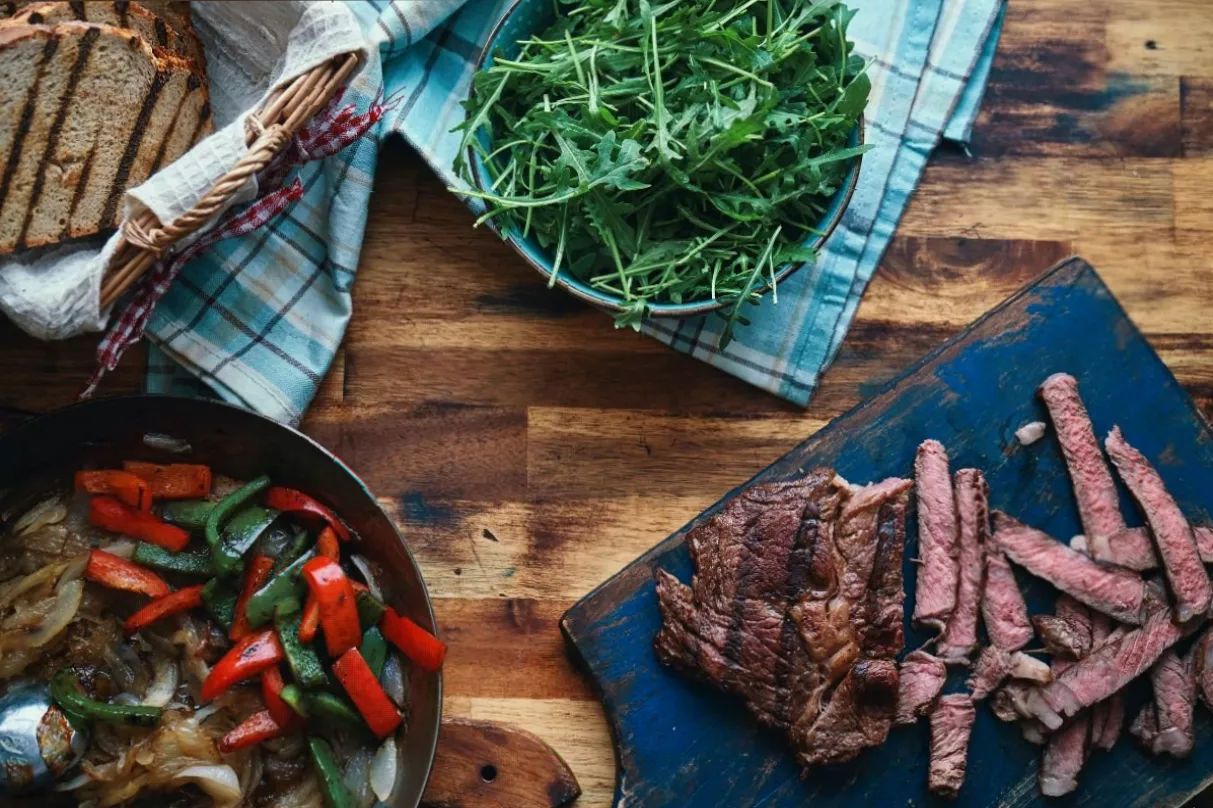
“Our findings indicate a significant gender-related differentiation in red meat consumption preferences, including both the specific types favoured and the preparation methods employed,” the researchers noted.
Preparation methods and their impact
The manner in which red meat was cooked proved equally significant to the findings. Boiling red meat was linked to a 28.9 per cent reduction in the odds of developing MASLD across all participants. For women specifically, consuming meatballs made with red meat corresponded to 41.6 per cent lower odds of MASLD – both results achieving statistical significance.
The protective effect of boiling may be explained by the absence of high-temperature cooking methods. Research has indicated that frying and grilling meat to a well-done or very well-done level can produce heterocyclic amines (HCAs), compounds linked to oxidative stress and potentially to an increased risk of chronic diseases. Boiling and steaming, by contrast, are associated with lower HCA production.
Other dietary factors have also been linked to MASLD risk. A UK Biobank study found that regularly adding salt to food was associated with a higher risk of developing the condition, with a dose-response relationship observed. Additionally, some research has suggested a potential association between higher consumption of organ meats and a greater prevalence of fatty liver disease.
Study limitations
The researchers acknowledged several constraints in their work. The cross-sectional design precluded any conclusions about causation, while dietary information relied upon participants’ own recollections, potentially introducing bias. The absence of physical activity data represented a notable limitation, given exercise’s established influence on fatty liver outcomes.
Managing MASLD centres largely on lifestyle changes, specifically adherence to a Mediterranean-style diet, weight loss of five to ten per cent, and regular exercise. The Mediterranean diet – rich in cereals, fruits, vegetables, legumes and olive oil, and low in red meat – is recommended for managing the condition. In the UK, adherence to this dietary pattern has been linked to a lower incidence of cardiovascular disease, type 2 diabetes and improved weight management. Patients are encouraged to increase their intake of vegetables, fruits and healthy fats while eliminating sugary drinks and limiting their intake of refined carbohydrates.