

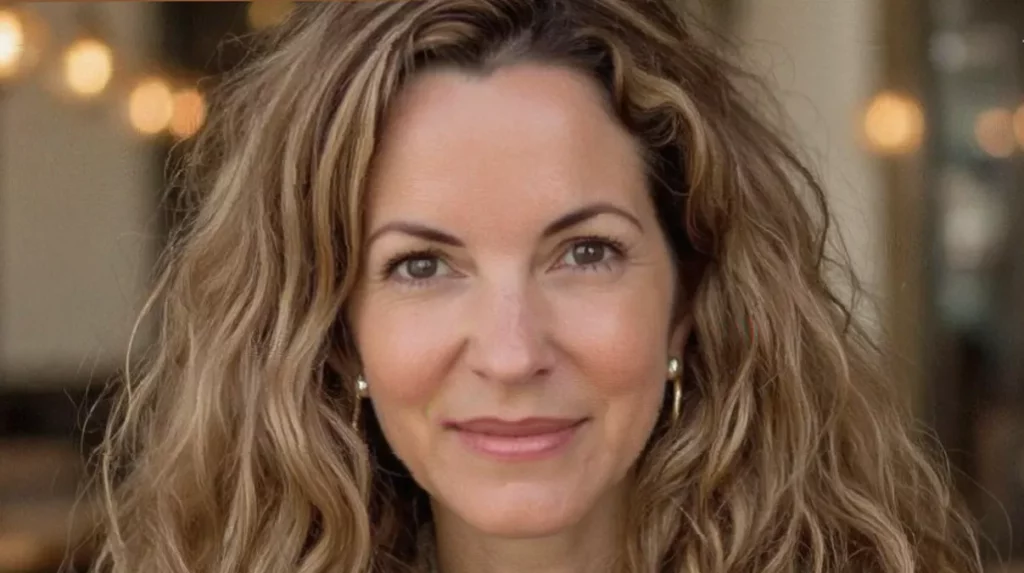
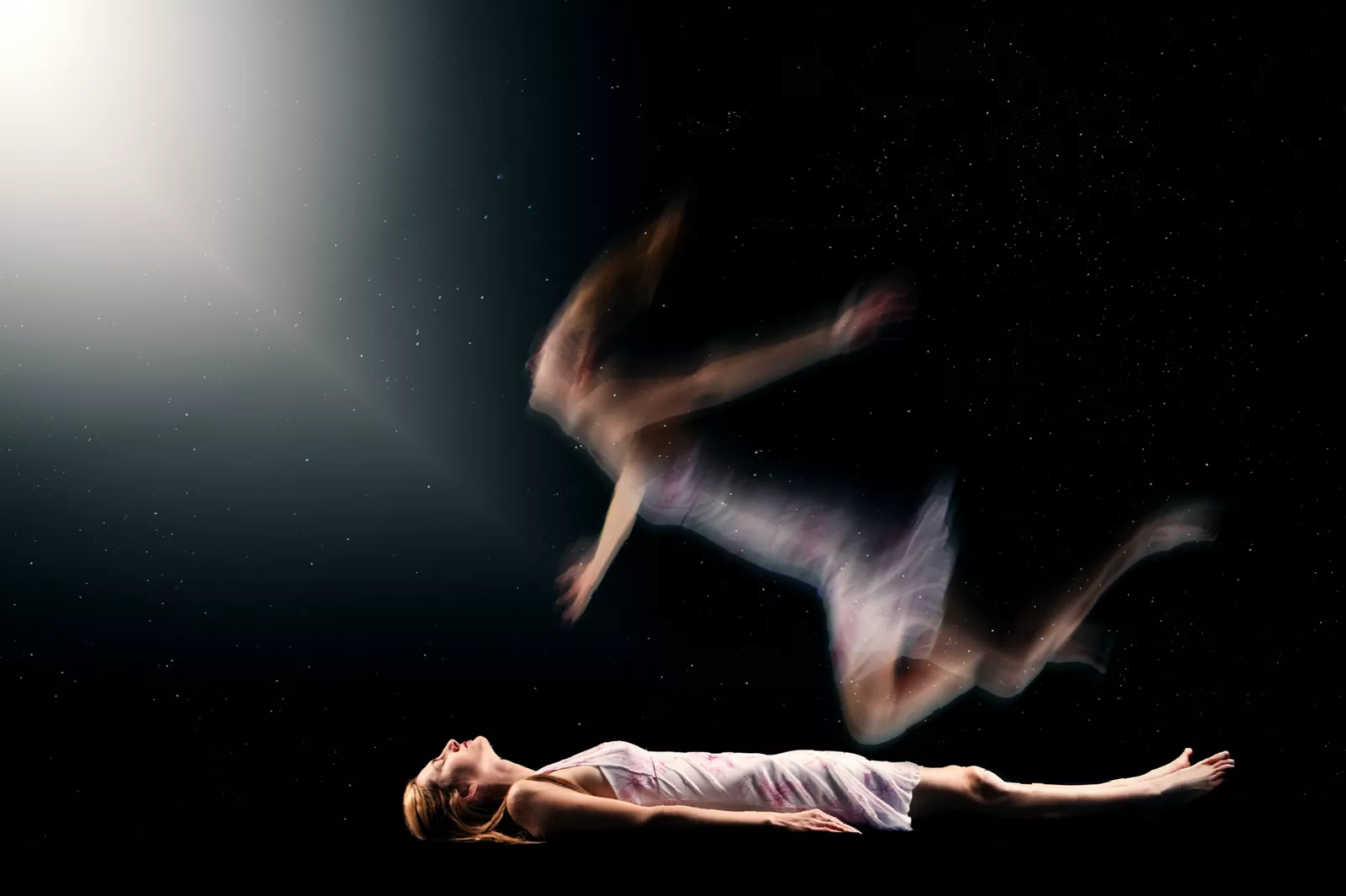
A scientist who has worked with NASA claims to have clinically died three separate times – and says each episode delivered the same overwhelming sensation of profound peace. Dr Ingrid Honkala, now 55, recounts that as a toddler, again in her mid-20s and then during surgery at the age of 52, her heart stopped and her awareness detached from her body, leaving her floating in what she describes as a “field of awareness and light”. Despite the vastly different circumstances – drowning, a motorcycle crash and a medical complication – she insists the core experience was near-identical: fear evaporated, time dissolved and a deep sense of connection to everything replaced individual identity.
The first death: a toddler in icy water
The first incident happened when Honkala was just two years old, growing up in Bogotá, Colombia. She fell into a tank filled with cold water at home. Initially she panicked, struggling to breathe, but then, she says, the terror suddenly vanished. “Instead of fear, a deep calm came over me,” she recalls. “The panic disappeared and was replaced by an overwhelming sense of peace and stillness.” She describes no longer feeling like a child trapped in a physical body; instead she became what she calls “pure consciousness”. “It felt like being immersed in a vast intelligence filled with love, clarity and peace,” she says. Time appeared to cease, thoughts faded, and any sense of a separate self dissolved into a feeling of complete oneness.
One of the more unusual details involves her mother. Honkala claims that while she was unconscious in the water, she somehow saw her mother several blocks away and communicated with her without speaking. Her mother then rushed home and found her daughter in the tank. The incident, Honkala says, permanently altered her view of death: she has not feared it since. She later described the event as opening her awareness to other dimensions and initiating a lifelong communication with what she calls “Beings of Light” – entities she regards as guides who emphasise free will rather than controlling fate. She has also spoken of a fourth, previously hidden near-death experience that was revealed to her during her most recent episode, though she has not publicly detailed it.
The second and third deaths: motorcycle crash and surgery
The second near-death experience occurred when Honkala was 25, during a motorcycle crash. The third happened decades later, at age 52, when her blood pressure dropped sharply during surgery. Both events, she says, unfolded in a markedly similar way to the first. “Each time I entered the same calm state where fear vanished and awareness appeared to exist separately from my body,” she explains. In each instance, she felt herself become detached from ordinary physical sensation, entering a realm of stillness and clarity. She has described her early life as challenging partly because of these experiences – she felt different from her peers and initially struggled to connect with others, experiencing a sense of loneliness. She was also a sickly child and said she did not know what it felt like to be well until after her first NDE.
A scientist’s perspective on consciousness
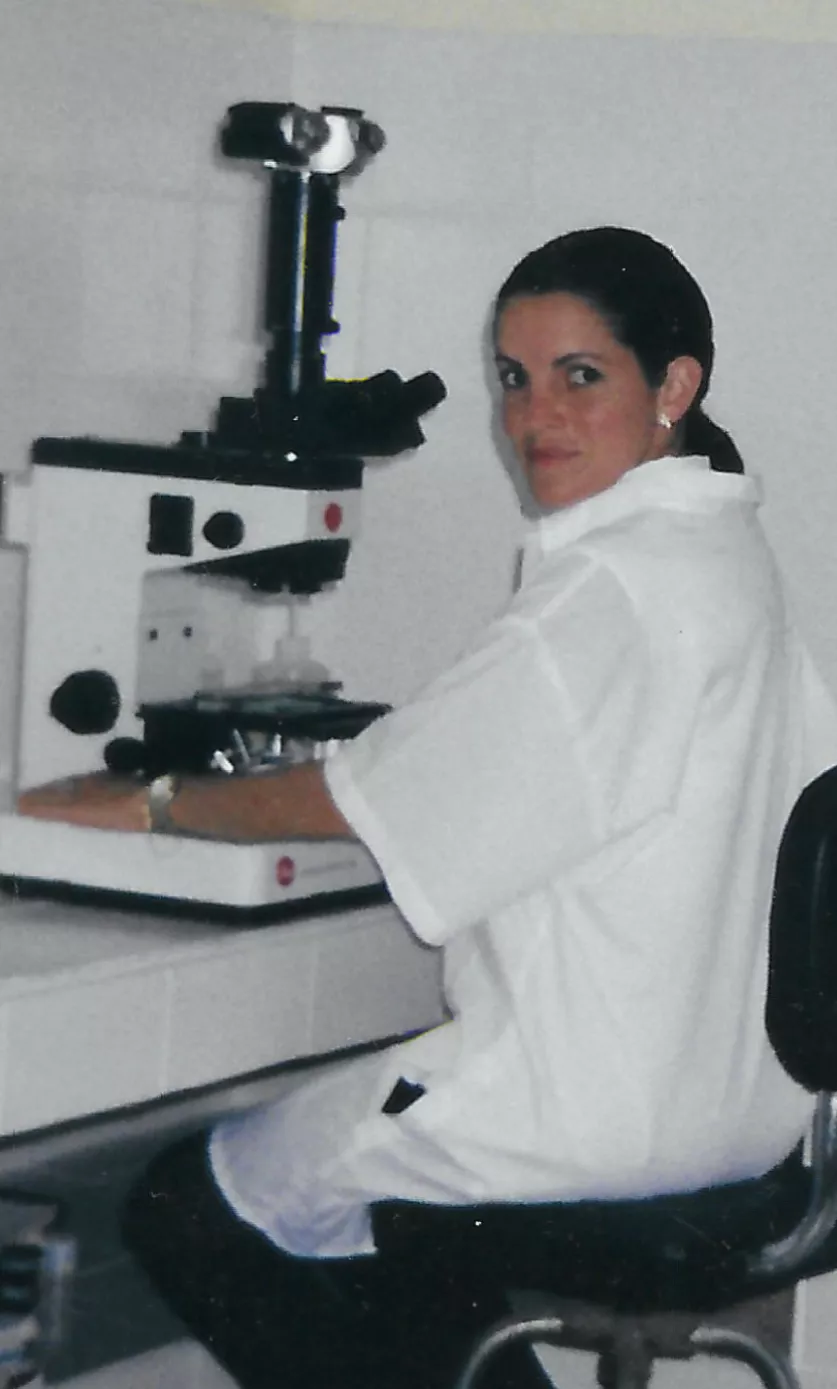
Despite the extraordinary nature of her claims, Honkala built a conventional scientific career. She earned a PhD in Marine Science with an emphasis on Biological Oceanography; her 2009 dissertation was titled “The Effects of Climate Variability on the Structure of the Phytoplankton Community in Tumaco Bay, Colombia”. She then worked for three decades as an oceanographer, including environmental research projects for both NASA and the United States Navy. Rather than pushing her away from science, she says the experiences deepened her interest in understanding reality through research. For years she kept the stories private, but she now argues that science and spirituality are not opposed – they may simply be approaching the same large questions from different directions.
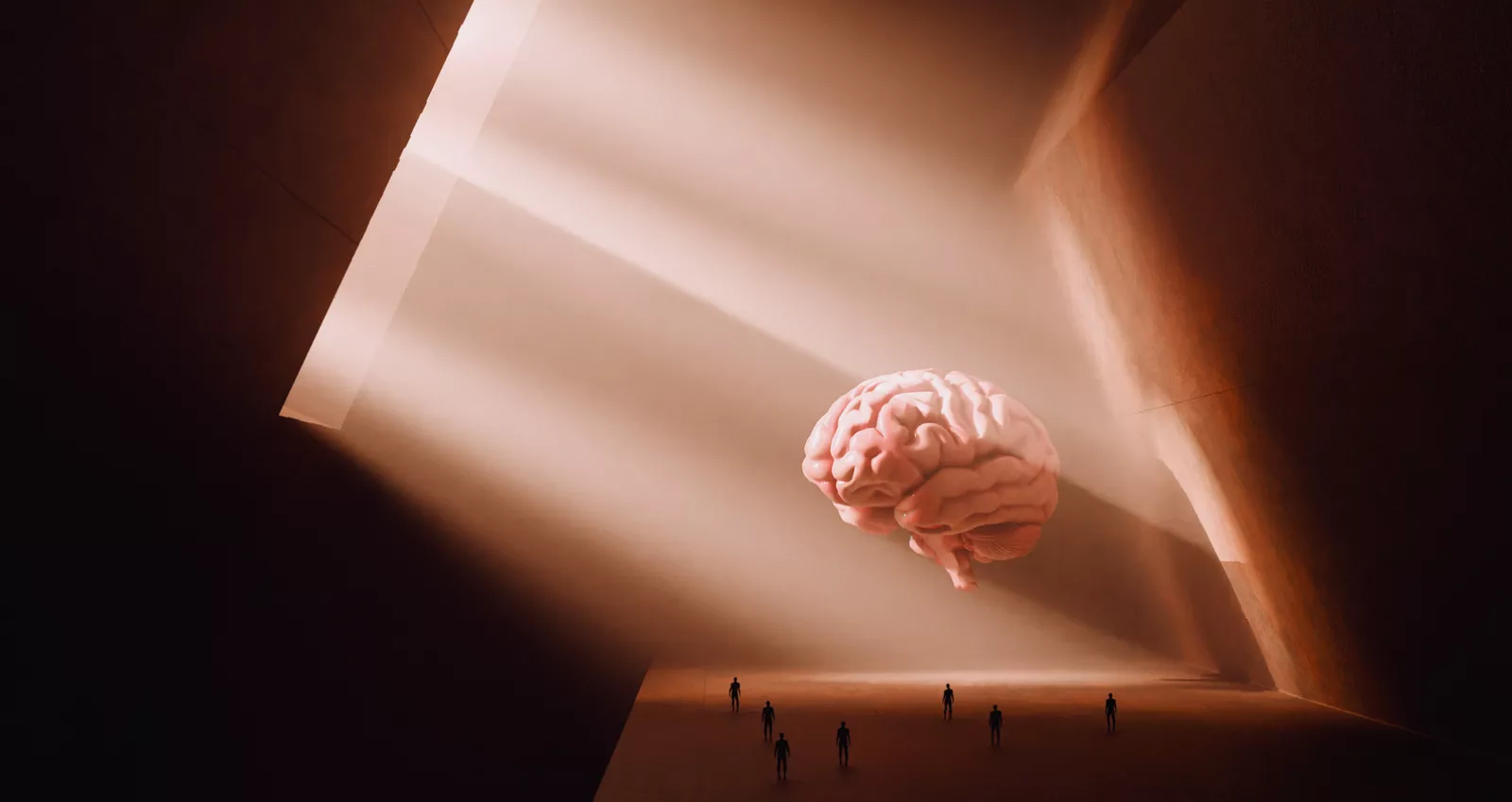
Scientists have long debated what causes near-death experiences. Many researchers attribute them to brain activity during extreme physical stress – such as oxygen deprivation, the release of neurochemicals like endorphins, enkephalins, noradrenaline and serotonin, or disruptions in specific brain regions (temporal, parietal and occipital). Some theories suggest the experiences could be triggered by endogenous molecules that mimic psychedelics such as DMT or ketamine. Other research explores the role of REM sleep intrusion and heightened gamma brain activity during dying. While some scientists remain open to accounts that go beyond brain activity, the consensus is that near-death experiences do not definitively prove life after death – but they are real, vivid subjective experiences. Up to ten percent of the population is estimated to have memories of such episodes.
Honkala, however, interprets her experiences differently. “Instead of seeing ourselves as isolated individuals struggling to survive, I began to understand that we may be expressions of consciousness experiencing life through a physical form,” she says. “From that perspective, death does not feel like the end of existence – it feels more like a transition in the continuum of consciousness.” She adds that none of this happened to her but for her, so she could be where she is today. “We have always been that light, we have always been the children of God; we just got distracted.” Honkala explores these themes further in her upcoming book, Dying to See the Light: A Scientist’s Guide to Reawakening, which focuses on consciousness and what she believes may happen when life ends. She is also the author of a previous book, A Brightly Guided Life: How a Scientist Learned to Hear Her Inner Wisdom.