

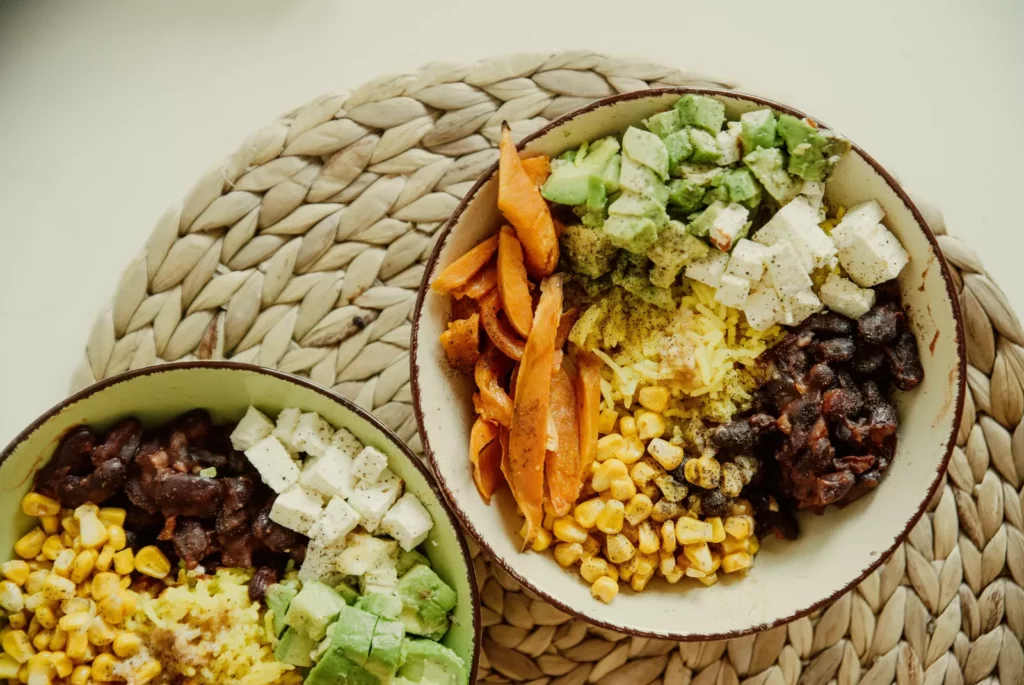
A simple meal of four everyday ingredients could hold the key to a longer, healthier life, according to a leading longevity expert who has spent decades studying the world’s oldest communities.
Dan Buettner, a National Geographic Fellow, has distilled his research into a definitive recipe he shared on Instagram: black beans, avocado, sweet potato, and rice. He describes the combination as “maniacally delicious” and insists it contains everything necessary for a lengthy life, prepared by baking the sweet potato, cooking the rice, stewing the beans, and mixing them all together with chopped avocado, adding hot sauce for a kick.
This fuss-free approach stands in stark contrast to modern wellness trends promoting costly supplements or elaborate regimens. “One of the healthiest meals on the planet has four ingredients,” Buettner stated. “This is how the world’s longest-living people eat every day.”
The Blue Zones Connection
Buettner’s recommendation is rooted in his extensive study of “Blue Zones” – five regions where residents commonly live to be over 100 years old. These are Okinawa, Japan; Sardinia, Italy; Ikaria, Greece; Nicoya, Costa Rica; and Loma Linda, California.
A key finding from this research is the near-universal reliance on a predominantly plant-based diet rich in fruits, vegetables, legumes, and whole grains. Beans, in particular, are a cornerstone, with Blue Zones residents eating them at least four times more than the average American. The four-ingredient meal exemplifies this principle, combining legumes, vegetables, and unrefined carbohydrates in a way Buettner’s studies correlate with diminished rates of chronic illness, lower inflammation levels, and extended lifespans.

Why These Four Ingredients Work
The power of the dish lies in the specific, complementary benefits of each component, according to Buettner’s analysis.
Black beans provide a vital source of plant-based protein alongside substantial fibre content. Their frequent consumption is associated with a lower risk of certain chronic diseases and forms the backbone of the legume-centric Blue Zones diet.
Sweet potato, a staple in the Okinawan diet where purple varieties were once a primary calorie source, delivers slow-releasing carbohydrates. It is also packed with antioxidants and fibre, supporting stable energy and cellular health.
Avocado contributes beneficial monounsaturated fats and a suite of phytonutrients, including the antioxidant beta-carotene. These fats aid in nutrient absorption and support heart health.

Rice, specifically wholegrain brown rice, provides sustained wholegrain energy to complete the nutritional profile, ensuring the meal is satiating and rich in complex carbohydrates.
Beyond this specific dish, Buettner also champions traditional foods from the Blue Zones, such as Sardinian minestrone—a bean and vegetable soup consumed daily for generations in the Italian region. This soup, made with a variety of beans and seasonal vegetables, is noted for its high fibre content which helps manage inflammation and supports the immune system.
Yet the researcher maintains that nutrition represents merely one element of the longevity equation. His work identifies nine common lifestyle habits, dubbed the “Power 9,” which include moving naturally, having a sense of purpose, managing stress, and prioritizing social connections. Buettner places equal importance on maintaining these social bonds, revealing he frequently dines out in the evenings specifically to nurture them.
“I eat mostly a whole food, plant-based diet, but I also know being connected socially is part of that cluster of factors that leads to 100,” he stated, encapsulating a balanced philosophy where lasting health stems from consistent, simple practices rather than extreme measures.