

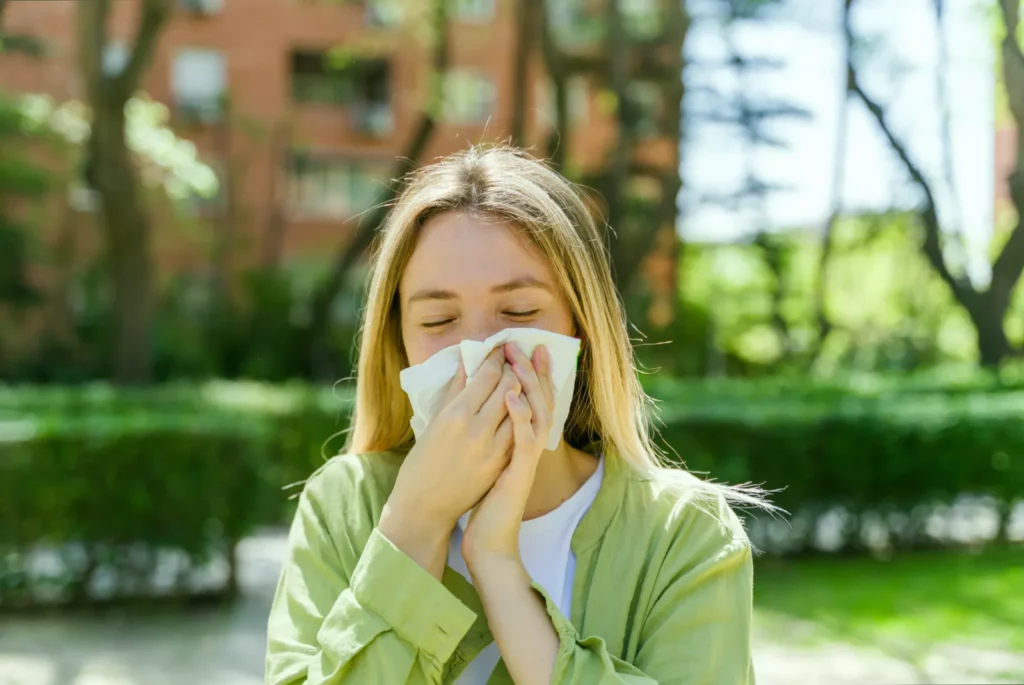
Pollen levels are soaring across the UK, triggering severe hay fever symptoms for millions and prompting health alerts as the season intensifies earlier than many might have hoped.
Red Alerts Issued as Dry Spell Fuels Pollen Surge
The Met Office has confirmed that a recent dry spell has led to rising pollen levels across much of the country. On April 8, it issued “red alert” warnings for areas including London and Exeter, indicating a very high pollen count. The primary triggers currently are birch and ash pollen, with birch becoming particularly dominant in London and known for causing widespread, intense allergic reactions. Experts note that oak pollen is also beginning to emerge.
This surge is being driven by ideal conditions for pollen release: warm, dry, and sunny weather, often accompanied by a breeze that helps disperse the particles and keep them airborne. The lack of rainfall prevents pollen from being washed away, allowing levels to build up significantly. The Met Office utilises a dedicated pollen model to provide a five-day forecast across the UK, a tool increasingly relied upon by the estimated 16 million Britons—roughly one in four—who suffer from hay fever.
Creating a Pollen-Free Sanctuary: How to Clean Your Home Effectively
With high counts making the outdoors a challenge, creating a low-pollen environment indoors becomes critical. The most effective strategy is a rigorous and targeted cleaning routine.
The first and simplest line of defence is keeping windows and doors closed, especially during the day. “Keeping windows and doors closed is one of the easiest and most effective ways to minimise the amount of pollen entering your home,” says Adam Pawson from Safestyle. If ventilation is needed, he advises opening windows overnight when pollen levels are much lower and closing them again in the morning.
Regular light dusting, particularly near windowsills and surfaces where pollen can settle, is essential. Helen O’Connor, a product manager at 247 Blinds, recommends cleaning blinds once a month. “If you have roller blinds or roman blinds, just give them a soft dusting and gentle vacuum once a month,” she says. “Venetian blinds or plantation shutters can have a more thorough clean. Wipe down each slat using a damp cloth and some washing up liquid.” Curtains should also be cleaned regularly.
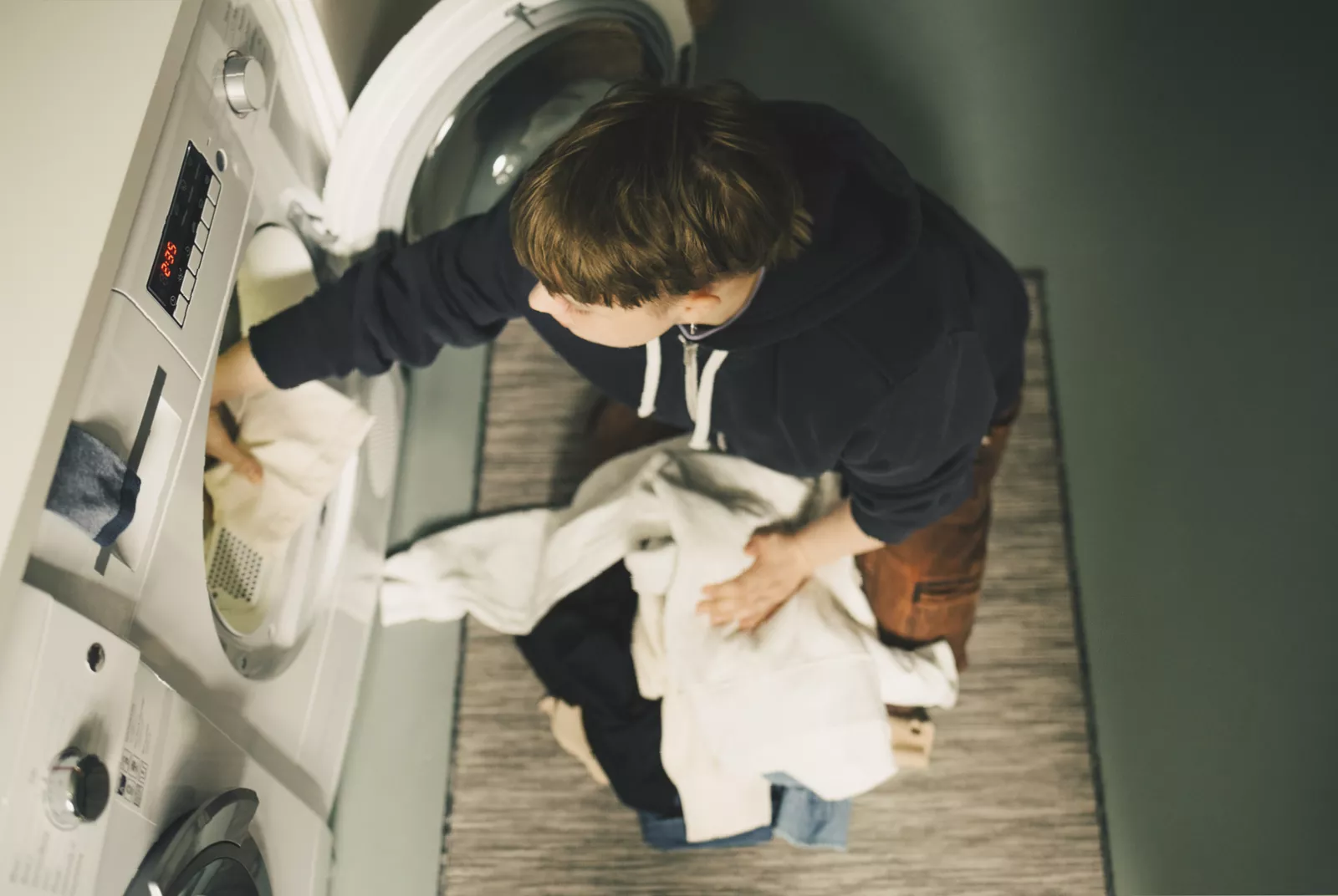
Laundry habits need to adapt during peak season. Experts recommend washing bedding once a week on a hot wash to eliminate trapped pollen. Crucially, after spending time outside—especially on grass—clothes should be changed immediately and put in the wash, and individuals should shower to prevent bringing pollen further into the home. For those seeking an extra layer of protection, air purifiers with HEPA filters can significantly reduce airborne allergens like pollen, improving indoor air quality.
Personal hygiene extends to skincare. Mia Moseley-Smith, a skincare expert at Face the Future, emphasises cleansing skin as soon as possible after being outdoors. “If you are wearing makeup or SPF you should double cleanse,” she advises, starting with a micellar water before using a gentle cream or gel cleanser to clear pores of pollen and dirt.

Don’t Forget Your Pets
Animals can be unwitting carriers of pollen into the home. “With dogs frequently going outside, they are prone to bringing in pollen which sticks to their fur,” explains Catrin George from Animal Friends Insurance. “Giving your dogs a thorough daily, or even twice daily, brush is key.” This not only helps human allergy sufferers but can also benefit pets, as some dogs themselves suffer from seasonal allergies including sneezing and watery eyes.
The Bigger Picture: Climate, Pollution, and Health
The current high pollen levels are set against a backdrop of longer-term environmental changes. Climate change is contributing to longer and more intense pollen seasons, with rising temperatures leading to earlier pollen release and potentially increasing the potency of the pollen itself. Furthermore, the interaction between pollen and air pollution in urban areas like London can exacerbate the problem; pollutants can damage pollen grains, causing them to release more allergens and penetrate deeper into the respiratory tract.
For those whose symptoms are severe, a range of medications are available, from antihistamines and nasal steroid sprays to allergen barrier balms. In persistent cases, immunotherapy is a long-term treatment option. The condition is more than a mere nuisance; it can significantly disrupt sleep, impact concentration at work or school, and increase the risk of developing asthma. With the pollen season shifting and potentially extending due to climate change, understanding and managing these triggers is becoming an increasingly pressing public health consideration.