


Intimate care products promising to enhance vaginal scent are flooding the market, but medical experts are warning that these items—ranging from fruit-scented suppositories to probiotic gummies—could cause more harm than good, disrupting the natural biology they claim to improve.
The rise of scented intimacy
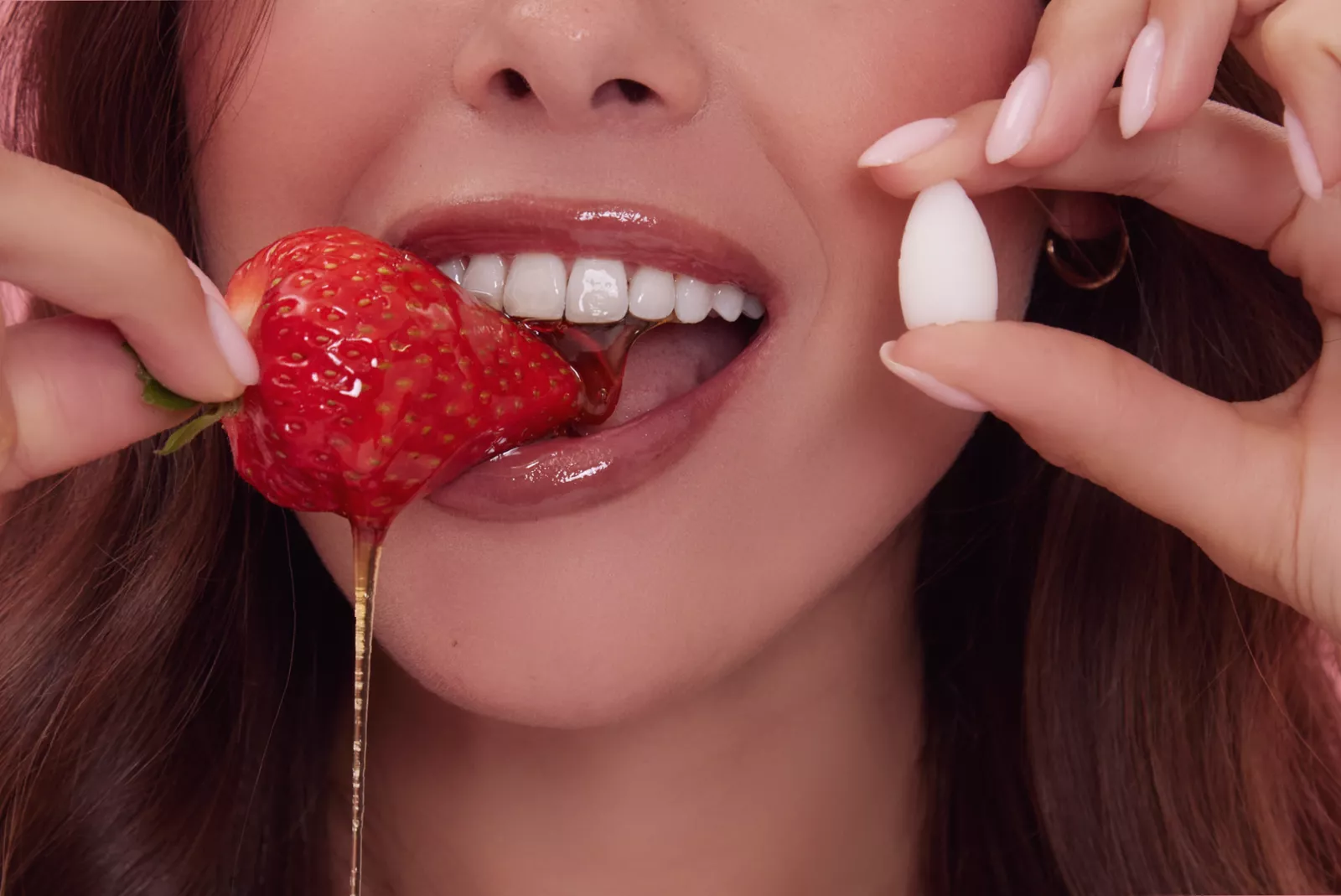
At the centre of the trend is Juice, a brand founded by entrepreneur Hanushka Toni. Its flagship product, a £45 vaginal “melt,” is designed to be inserted like a tampon and leaves the user smelling of Sweet Strawberry, Soft Peach or Ripe Cherry. Manufactured in Italy with a specialist gynaecological formulation laboratory, the company markets the melts as pH-balanced, non-irritating, hormone-free and vegan. In social media videos featuring a 1950s housewife aesthetic, Juice previously used the tagline that “everyone would choose cherries over fish”—a phrase since deleted but which, critics say, encapsulates the anxiety the industry exploits.
Juice is not alone. In June 2025, Unilever’s Sure brand launched a “whole body deo” range promising 72-hour freshness for both penises and vaginas, using so-called odour-adapt technology. Global online searches for whole-body deodorants have increased by 1,000% in the past year, according to industry data. And in February 2023, Kourtney Kardashian’s Lemme brand released Lemme Purr gummies, containing a probiotic strain (SNZ-1969), vitamin C and pineapple extract, and marketed to improve “vaginal freshness and taste.” The UK intimate care category is forecast to grow by 5.39% by 2030, fuelled by a market in which Unilever research found more than 70% of consumers feel self-conscious about their body odour.
Health risks behind the marketing
Women’s health experts say these products interfere with a delicate biological system that does not need interference. Dr. Shirin Lakhani, a GP and intimate health expert who graduated from Guy’s & St Thomas’ Hospitals in London and has worked in surgery, urology and anaesthetics before moving into general practice and aesthetic medicine, explains: “The vagina is self-cleaning. It maintains its own delicate balance of bacteria, and interfering with that, especially with fragranced or unnecessary products, can actually increase the risk of issues.” She stresses that a healthy vulva has a natural scent that shifts throughout the menstrual cycle, with hormones, exercise and even diet—”That’s biology, not a problem that needs solving.”
Dr. Aziza Sesay, a women’s health specialist, calls the products “quite exploitative,” adding that “vaginas are not supposed to smell like berries, roses and flowers – they’re supposed to smell of vagina.” She says the marketing encourages stigma and embarrassment around vulvovaginal health.

The ingredients in Juice’s melts—cacao butter, jojoba, flaxseed, almond and coconut oils, vanilla, stevia, vitamin E and peach extract—have come under particular scrutiny. Valentina Milanova, founder of the gynaecological care brand Daye and a public health researcher with degrees from the University of Buckingham and Imperial College London, warns that these oils can disrupt the vaginal microbiome, the delicate ecosystem of bacteria that maintains a healthy pH balance. Disruption, known as dysbiosis, can lead to bacterial vaginosis (BV), candida (yeast infections) and potentially urinary tract infections (UTIs). Symptoms include itching, irritation, unusual discharge, odour and pain during intercourse.
Milanova also highlights a specific danger: coconut oil can break down latex condoms, putting users at risk of accidental pregnancy and sexually transmitted infections. Research confirms that oil-based lubricants, including coconut oil, degrade latex. Juice’s own FAQ acknowledges this risk. Beyond coconut oil, scented vaginal products can contain chemicals such as phthalates and parabens, which are linked to irritation, hormonal disruption and potential long-term reproductive health concerns.
“It’s ironic – a product marketed to improve the smell of the vagina may leave women with BV, candida, and potentially even UTIs,” Milanova says.
Empowerment or exploitation?
Experts point to a sophisticated marketing playbook. Dr. Lakhani observes that modern intimate care advertising is often “framed as empowerment.” Consumers hear phrases like “feel fresh” or “boost your confidence.” But, she says, “when you look closely, confidence is often tied to the idea of being more acceptable, more desirable, more palatable to others.” The 1950s housewife aesthetic used by Juice reinforces this, she argues: “It was a time when women were expected to be polished, presentable, and pleasing at all times.”
The broader cultural pressure is relentless, according to Dr. Lakhani. “We live in a culture obsessed with optimisation,” she says. “From our skin to our sleep to our gut health, everything is something to tweak, upgrade or perfect. It was only a matter of time before the vulva was pulled into that same conversation. When normal is framed as something that needs constant improvement, when there is no improvement needed it creates a problem, and so then, we’re conveniently sold a solution.”
The silence that surrounds intimate health makes women more vulnerable. Because women rarely hear diverse perspectives on what is normal, insecurity can flourish. “Women never get to hear other points of view, which can make intimate health feel daunting and isolating,” Dr. Lakhani adds. “And when marketing is telling them that they should take products to make their vagina smell a certain way, it can make women feel as though something is wrong with them.”
What experts recommend instead
The medical advice is straightforward but runs counter to the commercial message. Dr. Lakhani says women should “completely avoid” feminine hygiene products of this kind. Instead, she suggests staying hydrated, eating well and trusting the body’s own self-cleaning mechanisms. For anyone experiencing discomfort, itching, or a change in discharge, she advises visiting a GP rather than reaching for a scented melt or a gummy. “That’s not a problem that needs solving with a product,” she says. “That’s a signal that needs medical attention.”