

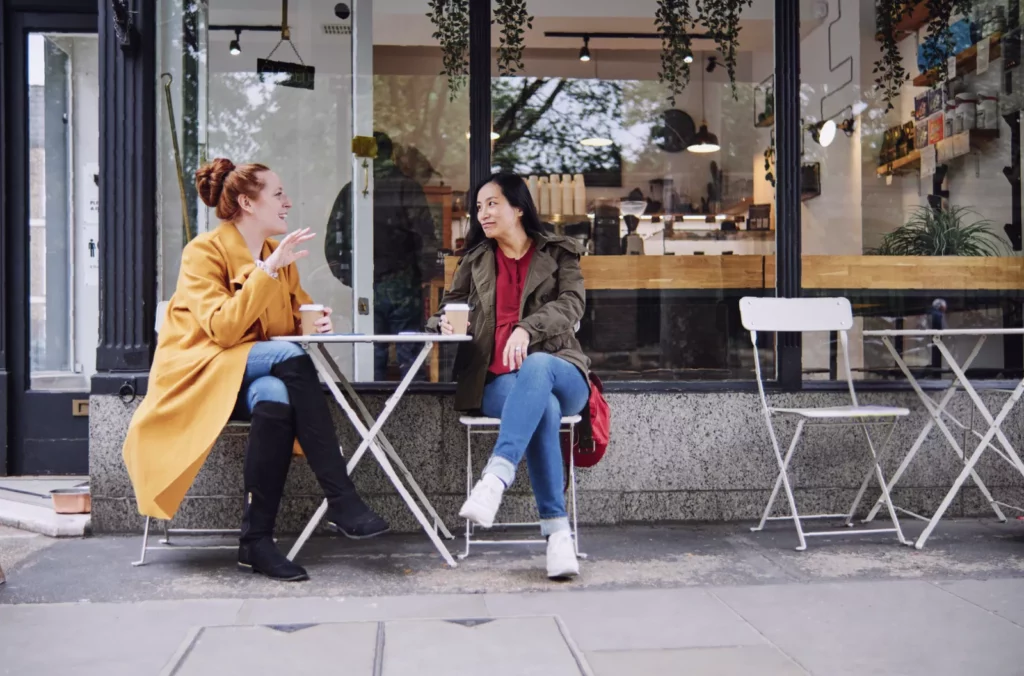
Experts have warned that the so-called “ladylike” sitting position — crossing one knee over the other — can harm your health, with an osteopath warning the habit creates a long-term physical imbalance that many people never connect to how they sit.
Why asymmetry matters
Anisha Joshi, an osteopath with two decades of clinical experience who graduated from the British School of Osteopathy in 2011 and is registered with the General Osteopathic Council, explains that the fundamental problem is asymmetry. “Sitting cross-legged on a chair rotates one hip while the other stays relatively neutral, which means one side of your pelvis, hip, and lower back is working differently to the other,” she says.
Over time, Joshi warns, that imbalance can contribute to tightness in the hip rotators, uneven load through the lower spine, and discomfort that people often cannot immediately trace back to how they have been sitting. Research indicates that habitually crossing one leg over the other for more than three hours a day can cause hip and shoulder misalignment, a backward pelvic tilt, and potentially lead to lower back and hip discomfort. This can also result in a forward head position, causing neck pain and stiffness. The pelvis itself may tilt and rotate, straining the sacroiliac joints and contributing to hip pain.
Beyond the musculoskeletal effects, crossing the legs — particularly at the knee — compresses veins and temporarily increases blood pressure as the top leg exerts pressure on the veins of the bottom leg. Studies have shown a temporary spike in blood pressure when legs are crossed at the knee, an effect more pronounced in individuals with hypertension. While the rise is generally temporary, prolonged periods of crossing could keep blood pressure elevated, though there is no evidence of long-term harm except for those at risk of blood clots.
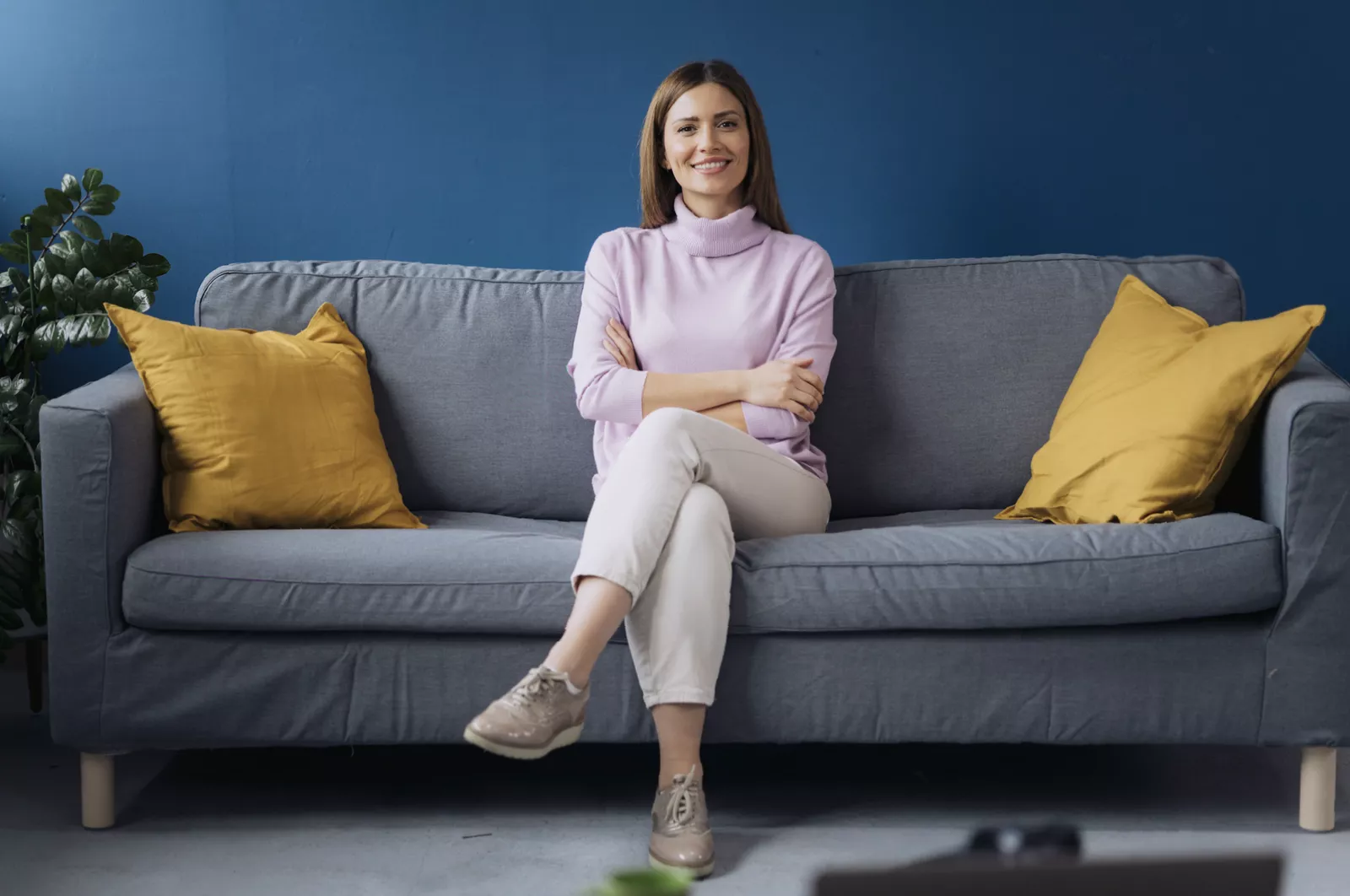
Nerve compression is another concern. Crossing legs can put pressure on the common fibular nerve — part of the sciatic nerve — behind the knee, leading to numbness, tingling, and potentially nerve irritation or damage over time. This can also lead to weakness in the ankles and feet and limited mobility. Additionally, the increased pressure on knee joints from habitual crossing may cause swelling and pain.
Joshi, who has treated a range of clients including celebrities and athletes, and who has made regular appearances on television programmes such as This Morning, emphasises that these effects accumulate slowly. “Over time, that imbalance may contribute to tightness in the hip rotators, uneven load through the lower spine, and discomfort that people often can’t immediately trace back to how they’ve been sitting,” she says.
The history of sitting like a lady
The pressure to sit in this way has deep roots. Celebrity figures such as Billie Eilish and Lady Gaga have been praised for rebelling against the notion by adopting more “masculine” seating positions during interviews. But the expectation that women should keep their knees together is not new — and, ironically, the classic crossed-knee position was historically considered improper.
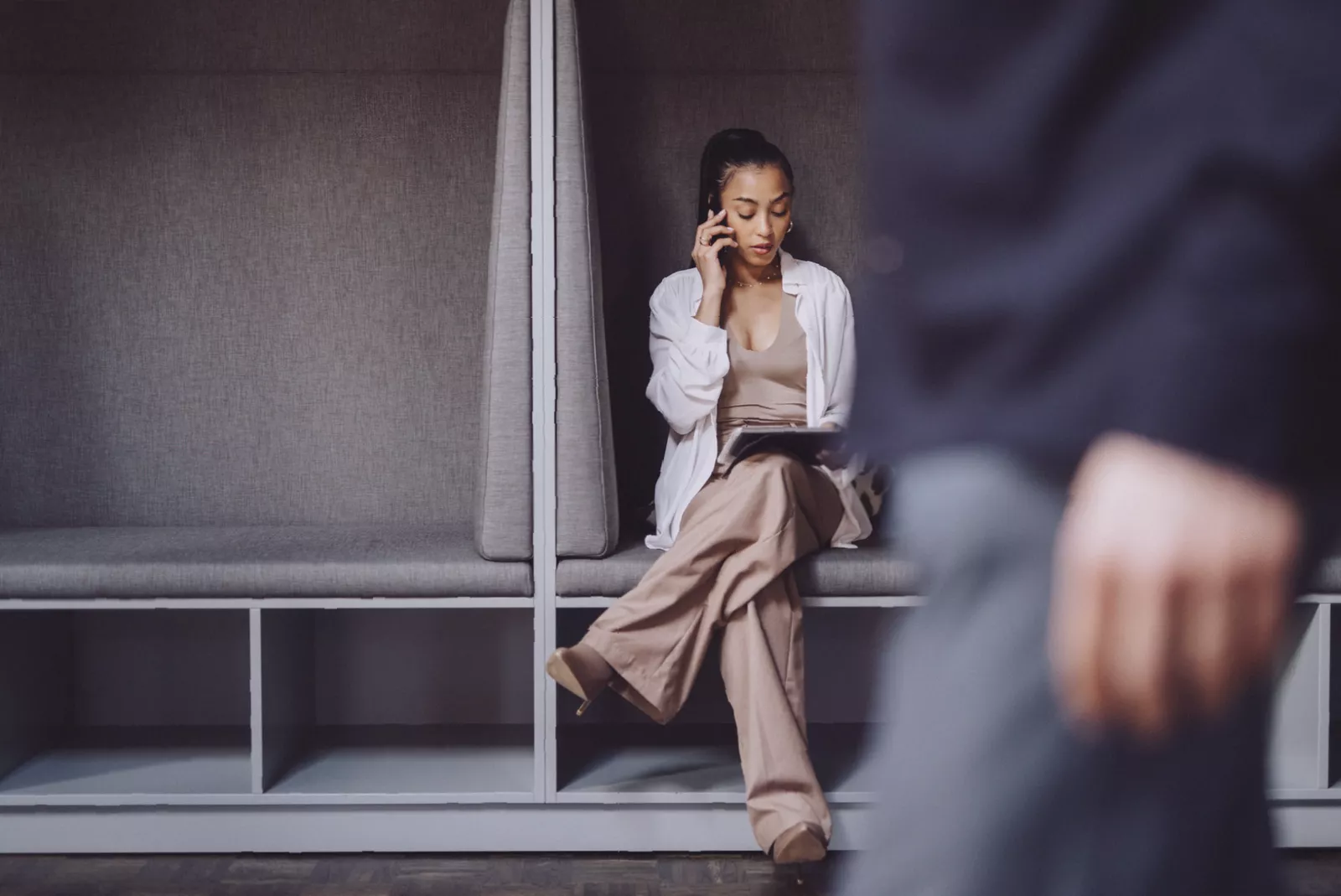
Famous 1920s etiquette expert Emily Post, in her 1922 book Etiquette in Society, in Business, in Politics, and at Home, wrote that “no lady of dignity ever crossed her knees.” She added: “No lady should cross her knees so that her skirt goes above them.” Instead, the most dignified position is the so-called “Duchess Slant”, popularised by Princess Diana and adopted by the Princess of Wales, Kate Middleton. This posture involves keeping the knees, legs and ankles together and slanting them to one side, a technique designed to protect modesty when wearing skirts and to make the legs appear longer.
How to sit properly — and why movement matters more than posture
So what is the best way to sit? Joshi recommends a straightforward starting point: both feet flat on the floor, knees roughly at hip height or lower, and the lower back lightly supported. This maintains a neutral spine and supports its natural curve. However, she stresses that no single position is a magic bullet.
“More important than getting the ‘perfect’ position is changing it regularly,” she says. “Even if that means shifting your weight, stretching your legs out, or standing up for a couple of minutes every 30 to 40 minutes.”
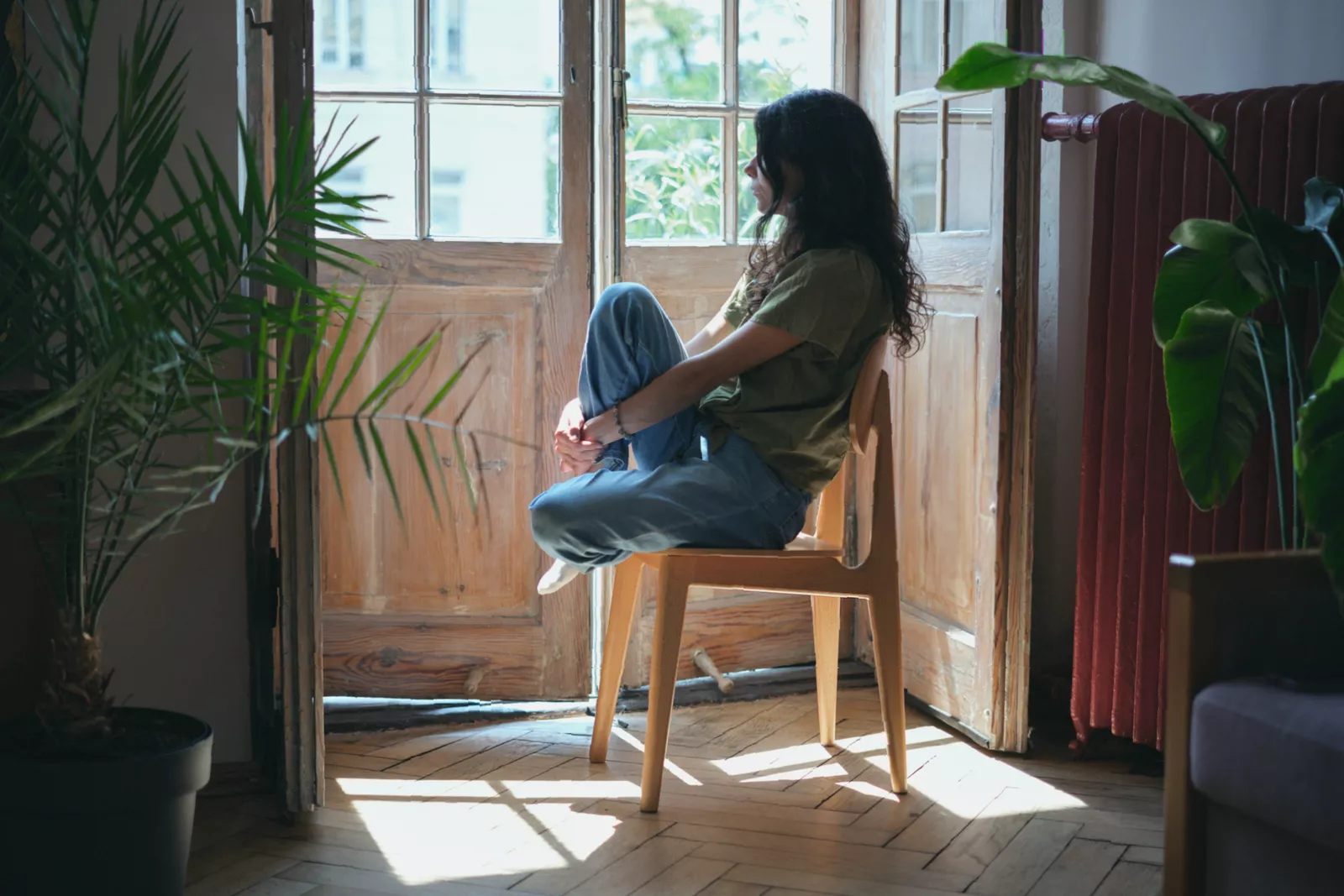
Joshi notes that when any position is held for a long time, the muscles supporting that posture start to fatigue, circulation slows in the areas under pressure, and the joints are not getting the fluid movement they need to stay healthy. “That’s true whether you’re sitting upright, slouched, or cross-legged — the problem is the stillness, not just the shape.” Active sitting, which encourages micro-movements, can strengthen core muscles, reduce spinal pressure, and improve posture.
Prolonged sitting in any position is linked to broader health risks including obesity, metabolic syndrome, heart disease, cancer, and a potentially shorter lifespan. Even short breaks for light activity can significantly improve health markers. While crossing legs does not directly cause varicose veins, prolonged sitting in any position — including with crossed legs — can exacerbate underlying conditions by slowing blood circulation and increasing pressure in leg veins. Restricted blood flow can also lead to numbness and discomfort, and over time may contribute to inflammation and weakening of the veins.
The key takeaway from Joshi is not to abandon comfort or etiquette entirely, but to recognise that the body is not designed for stillness. “Even if that means shifting your weight, stretching your legs out, or standing up for a couple of minutes every 30 to 40 minutes,” she says, “movement is really what matters most.”