

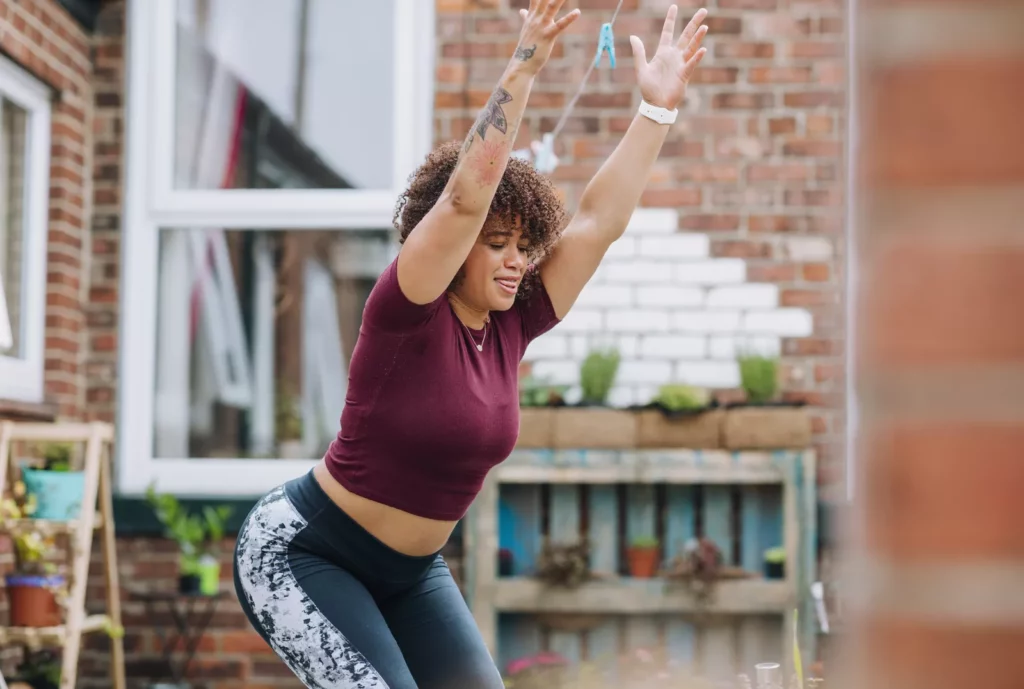
Even a 10‑minute workout can boost cardiovascular health and focus, according to celebrity personal trainer Aimee Victoria Long, who argues that a short session is far from a wasted one. “Many people skip workouts if they believe they need 45‑60 minutes to see benefits,” she says. “But studies on high‑intensity interval formats – even brief ones – show improvements in cardiovascular indicators and insulin sensitivity compared with doing nothing at all.” Long, named one of London’s top trainers by The Times and The Evening Standard, adds that a quick session releases endorphins, reduces cortisol and can reset focus for the rest of the day, especially when life feels overwhelming or time is tight.
The science backs her up. Research shows that short workouts are easier to slot into busy routines, promoting consistency – which Long calls the single most important factor in fitness. Even 10 minutes of daily movement can improve fitness, boost energy and enhance well‑being. Short bouts of exercise help regulate blood sugar, improve insulin sensitivity and support heart health by lowering blood pressure and cholesterol. The mental‑health payoff is equally strong: endorphin release reduces stress, lifts mood and sharpens concentration. Studies indicate that as little as 11 minutes of moderate‑to‑vigorous exercise a day can contribute to higher life expectancy, and adding just 10 minutes of daily activity could prevent a significant number of premature deaths each year. Short, intense bursts also elevate metabolism through the after‑burn effect (excess post‑exercise oxygen consumption), and consistent strength work builds and preserves lean muscle, particularly valuable for beginners or those over 40. Because the commitment is so small, boredom drops and long‑term adherence rises.
The 10‑minute full‑body workout
Long has designed a session that balances strength, stability, mobility and core work. It follows a HIIT format: two rounds of five exercises, each performed for 40 seconds of work followed by 20 seconds of rest. The exercises are chosen to mimic real‑world movements, making them functional for everyday life.
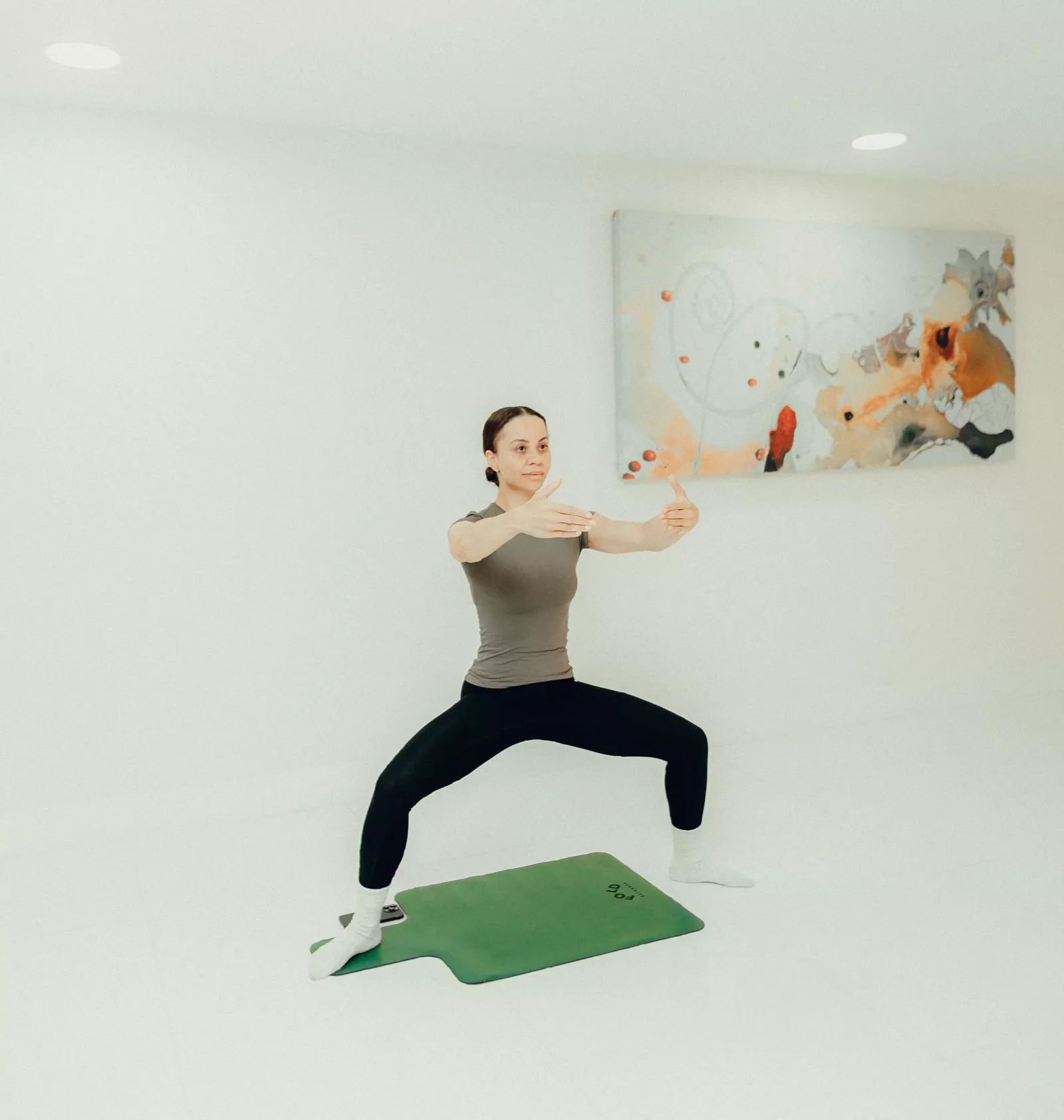
Plié. Stand with feet wider than hip‑width, toes turned out. Engage the core, keep the chest upright, bend the knees and lower the hips straight down – tracking the knees over the toes – then press through the heels to return. This move warms up the hip and groin area and improves posture. It activates the glutes, quadriceps and inner thighs – all key for walking, climbing stairs and daily activities – and improves hip mobility and stance mechanics. The plié also contributes to toned legs, sculpted calves and a lifted derrière, while developing strength, balance and flexibility.
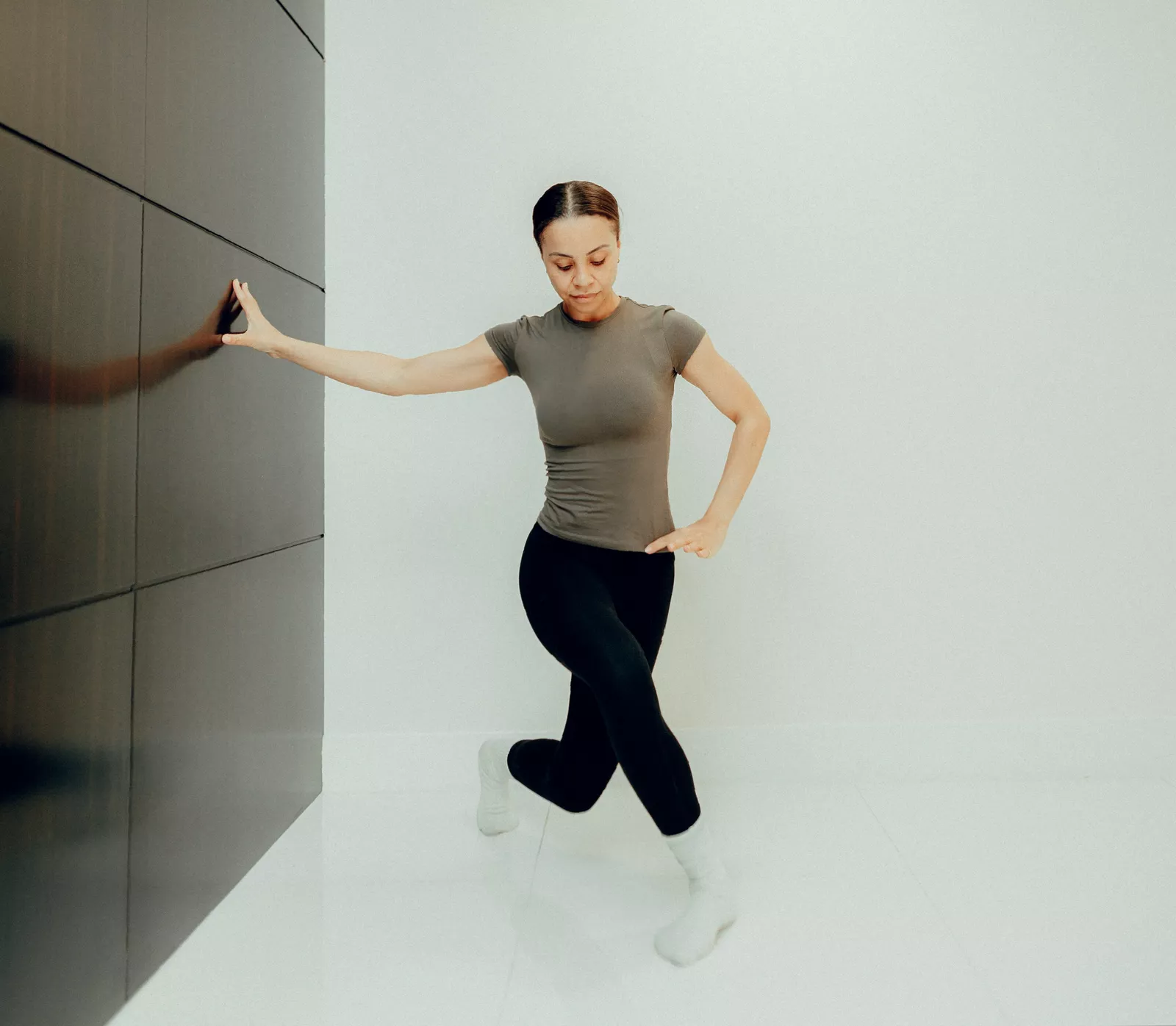
Wall Assisted Curtsy Lunge. Stand tall with feet hip‑width apart, facing a wall for support. Step one foot behind and to the side into a curtsy position, lowering the back knee toward the floor, keeping the chest lifted and the front knee aligned over the toes. Push through the front heel to stand, alternating sides. Lunging patterns mimic walking, stepping and multi‑directional movement, which boosts confidence and reduces injury risk. The exercise builds lower‑body strength in a functional pattern, engages stabilisers for better balance and coordination, and is gentle on joints thanks to the wall support.
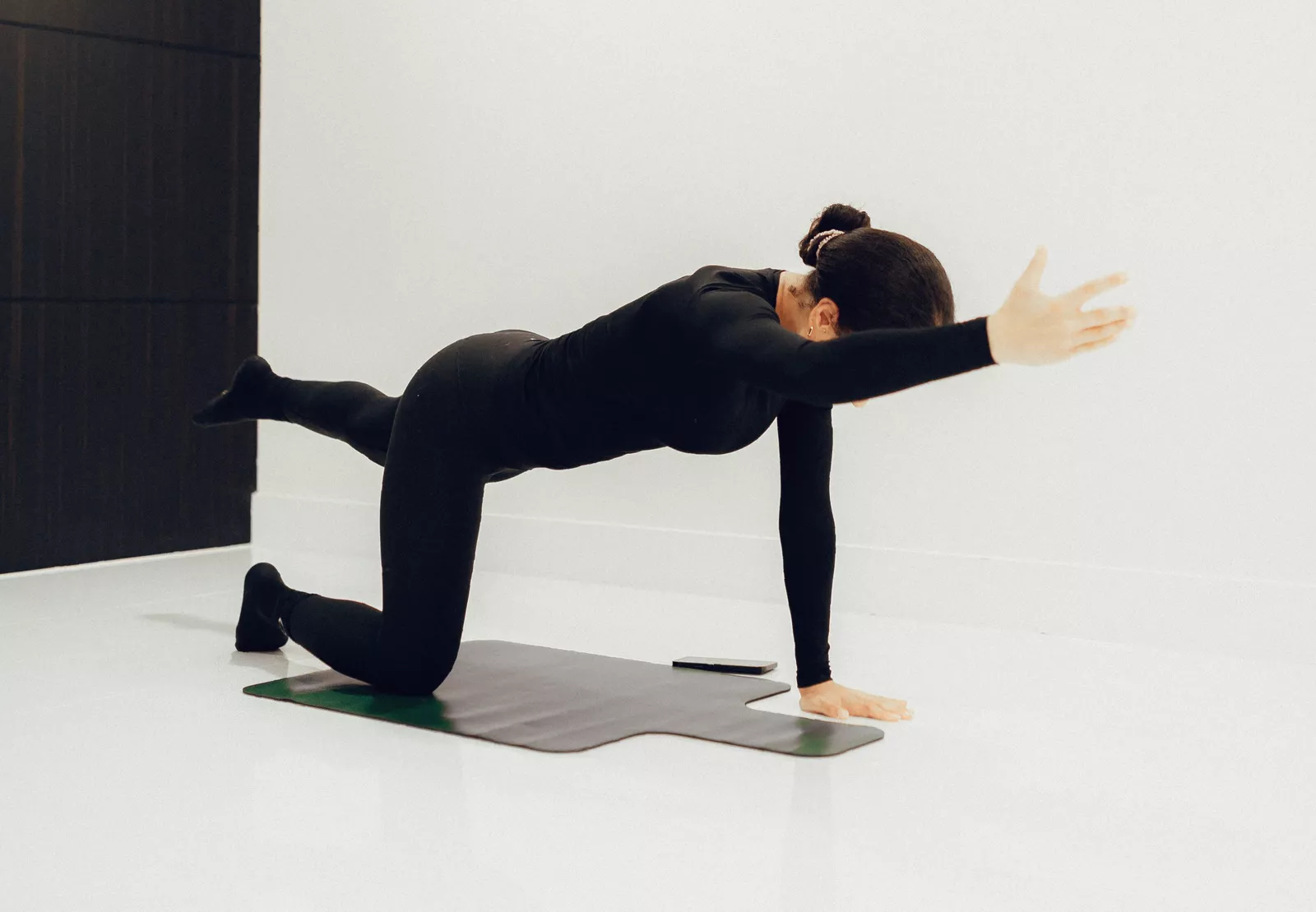
Bird Dog. Start on all fours with wrists under shoulders and knees under hips. Extend one arm forward and the opposite leg back simultaneously, hold for a moment focusing on balance, then return to start and switch sides. Core stability is a common weak link, and improving it helps everything from lifting groceries to holding a plank longer. This move targets the deep core muscles essential for posture and spinal support, trains contralateral limb movement (which aids balance and coordinated strength), and is low‑impact and safe for all fitness levels. It also strengthens the erector spinae in the lower back, supporting good posture and potentially easing lower‑back pain.
Hollow Hold. Lie on your back with arms extended overhead and legs straight. Engage the core, lift the arms, head, shoulders and legs off the ground, and hold while keeping the lower back pressed into the floor. Breathe steadily. This is a challenging but brief stimulus that creates lasting resiliency if done consistently. It works the deep abdominal wall (transverse abdominis), improves trunk support for posture, running form and lower‑back health, and teaches control before adding dynamic movements. The static hold enhances stabilisation and strengthens the core and lower back, helping to prevent injury and reinforce proper posture.
Push‑Ups. Start in a plank with hands shoulder‑width apart and feet hip‑width apart. Lower the body by bending the elbows close to the sides, then push back up, engaging the core throughout. Modify by dropping to the knees if needed. Push‑ups are one of the most efficient compound movements for upper‑body strength, working the chest, shoulders, triceps and core simultaneously. They are easily scalable (wall to knee to full push‑up) so everyone can progress. Push patterns are essential for everyday tasks such as pushing doors or lifting objects. High‑rep sets also elevate heart rate, adding a cardiovascular component, and the core engagement improves balance and reduces lower‑back pain.
Why these exercises work for daily life
Every movement in the session is a compound exercise – one that engages multiple muscle groups and joints at once. That makes them highly efficient for building strength, burning calories and mimicking real‑life functional movements. The plié and curtsy lunge replicate the way we walk, climb stairs and change direction, building the lower‑body strength and coordination needed to navigate everyday environments with confidence. The bird dog and hollow hold target the deep core muscles that underpin good posture, protect the spine and make tasks like lifting shopping bags or carrying children feel easier. The push‑up builds the pushing power required for everything from opening heavy doors to getting up off the floor.
Long’s training philosophy – which integrates Pilates, barre, strength training and HIIT, and is built around her “Four Pillars of Health” (movement, nutrition, mindset and recovery) – emphasises a sustainable, confidence‑building approach that fits into busy schedules. She offers online coaching and specialist pre‑ and postnatal support, and her workout is designed to be done anywhere, with no equipment required. By focusing on the functional advantages of each exercise – how they directly improve everyday activities such as walking, lifting, pushing and maintaining balance – the 10‑minute session becomes more than a quick fix. It becomes a practical tool for long‑term health, resilience and ease of movement, no matter how tight the day.