

Fake health advice online can be fatal, a documentary reveals, as an investigation uncovers a vast network of AI-generated videos that exploit vulnerable viewers for profit while peddling dangerous medical claims.
The scale of the threat
The phenomenon, known as content farming, involves the mass production of low-quality videos designed to maximise views, clicks and advertising revenue. The deluge of irresponsible health messages on social media has been dubbed an “infodemic”, causing distress and reducing access to proper medical care. Experts at the London School of Hygiene & Tropical Medicine have warned that false or misleading health information risks damaging the life-chances of children and leading to a sicker, less productive UK population.
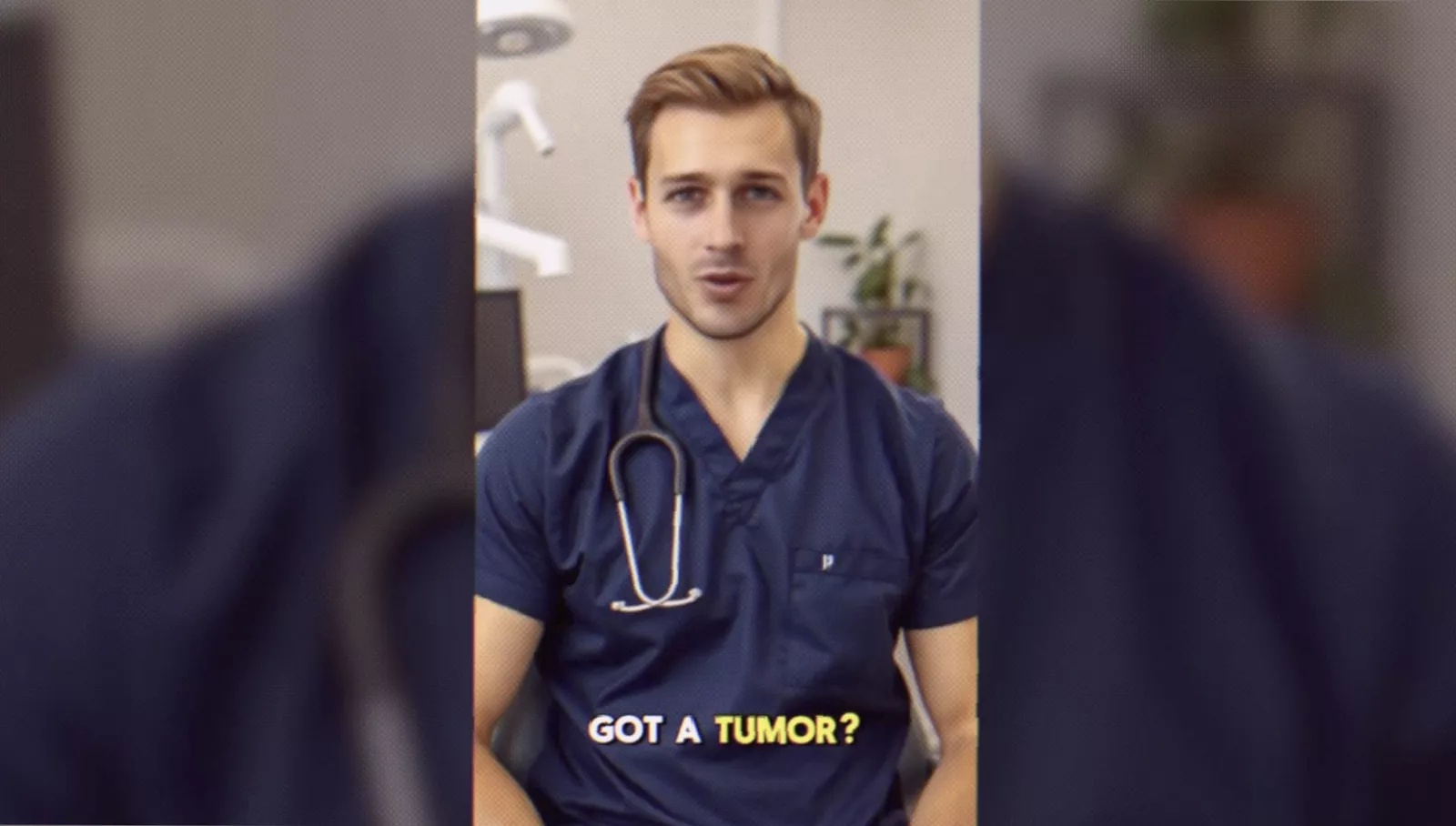
Among the fake remedies circulating online are claims that inserting garlic rectally boosts the immune system, that tomatoes thin the blood as effectively as prescribed heart medication, and that a skin cream made from yams outperforms HRT for menopause symptoms. One video told viewers that a tumour could be eliminated in a week using a single essential oil. Another insisted that garlic water outperforms antibiotics and that pharmaceutical companies had buried the study to protect profits. “There was even one that said: if you have a lump, do not see a doctor. This turmeric soup will make it disappear in 24 hours,” said documentary‑maker Sam Tullen.
Additional research into the phenomenon has found that real medical professionals are being impersonated using deepfake technology. Figures including children’s public health doctor Professor David Taylor‑Robinson of the University of Liverpool, former Public Health England chief executive Duncan Selbie, the late Dr Michael Mosley and Dr Tim Spector have all had their likenesses and voices manipulated to endorse products or spread misinformation. The technology is so convincing that even trained clinicians can be fooled. Social media platforms such as TikTok have been slow to remove such content, with some deepfake videos amassing hundreds of thousands of views before being taken down.
Inside the scam
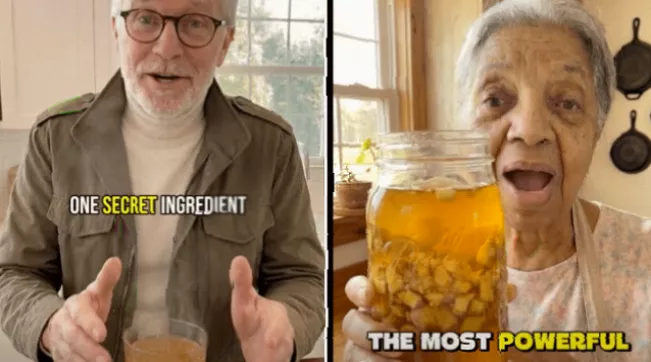
Sam Tullen, creator of the documentary series Disclosed, first noticed a surge of fake doctors, nurses and avuncular‑looking experts pushing misleading health tips across his social media feeds. “I was getting these AI‑generated health videos all over my feed and I wanted to know who was behind them. There is so much online now and it is becoming harder to spot the truth,” he said. The clips, mostly on Facebook and Instagram, are crafted to look like expert advice, supposedly revealing what the healthcare industry is trying to hide.
Over three weeks in March, Sam messaged hundreds of accounts posing as an aspiring content farmer. None replied. Eventually he reverse‑searched one video and traced it to a LinkedIn account belonging to someone using the alias “Bilal Roy”. A post on the account, clearly written by AI, claimed Roy earned $10,000 per month from AI‑generated affiliate links and offered to mentor others. Sam messaged him and three hours later received a reply. When asked for proof, Roy sent screenshots from logged‑in profiles of multiple content‑farming pages he claimed to own, showing more than 4 million impressions across three accounts in a month. He told Sam that following his advice would yield at least $6,000 in the first month and more than $10,000 thereafter.
Pretending to be interested, Sam paid the $860 mentorship fee and scheduled a call, which Roy later cancelled. Instead, Sam was sent a “secret document” via LinkedIn outlining the operation’s methods. It detailed how to use affiliate tracking links to earn commission on product sales, and suggested the best AI tools to produce convincing videos.
Most troubling was the explicit guidance on exploiting viewers’ health fears. One page describing which videos generate the most affiliate sales stated: “it dont matter if lieing about the health tips or treatment just try to sell product”. Another line instructed creators to “make them (the viewers) think they could get sick or even die so they buy it”. The document, seen by this website, lays bare a predatory business model that deliberately preys on vulnerability.
“These horrible ethics shook me,” Sam said. “These videos prey on people’s vulnerabilities, especially older users who do not understand AI. It is predatory and it could delay urgent care.” He added that AI “allows this misinformation to spread like wildfire, impacting real lives.”
Armed with the document, Sam tried to arrange another call to challenge Roy, but the LinkedIn post and account had been deleted. Sam believes the individual will simply “be doing the same thing elsewhere under a different name”.
A call to action
Through his series Disclosed, which also investigates bots, illegal streaming and fame laundering, Sam hopes to give viewers the tools to separate fact from fiction. He is calling on social media platforms to do more to monitor harmful health advice, and for younger or more digitally savvy users to call out AI‑generated content wherever they see it.
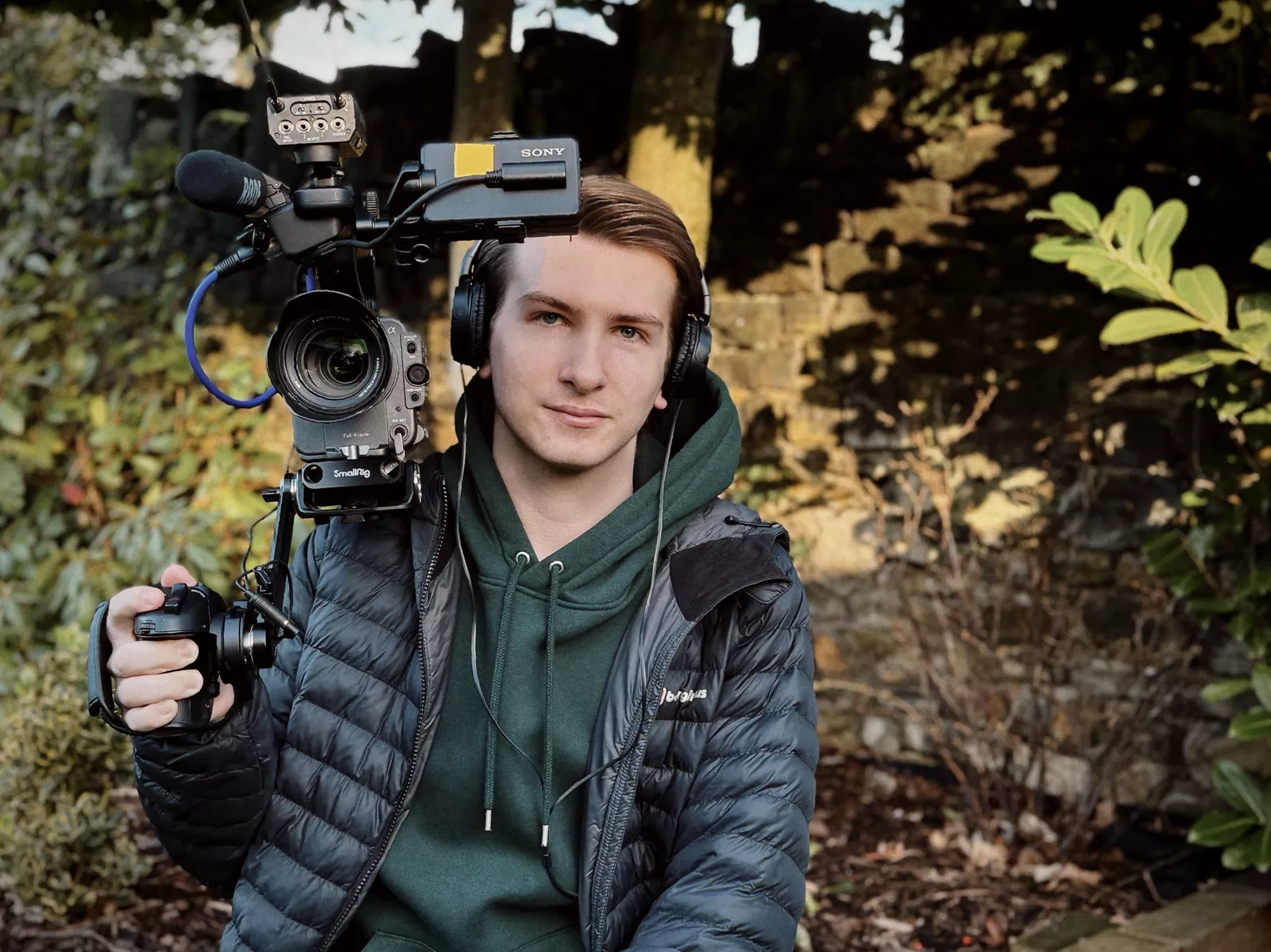
“If you want to know whether health advice is coming from a professional, ask yourself: is the account verified? Are they asking you to click links in their bio? That is a big red flag,” he said. “And if you are worried about something, go and see a doctor. Please do not take health advice from random online videos, as you do not know who is delivering it or why.”
The UK’s Online Safety Act primarily addresses illegal medical misinformation, leaving what is termed “lawful but harmful” content – including the monetisation of questionable wellness cures – largely unaddressed. There have been growing calls for social media companies to be subject to a legal duty of care to protect users’ health and wellbeing, and for affiliate marketing loopholes that allow false medical claims to be tightened.
Sam Tullen’s documentary series Disclosed, produced by Tullen Productions, is available to watch on DOCO Documentaries. This website has approached Meta and LinkedIn for comment.